The short answer
Buy from a country you can verify: ask for the species, source records and legality documentation, and confirm who makes the piece. Thailand offers genuine plantation teak, long furniture-making traditions and serious custom and export capability. The advantage is not the origin label alone; it is the combination of real teak, real making and documented traceability.
1. Teak and Thailand go back a long way
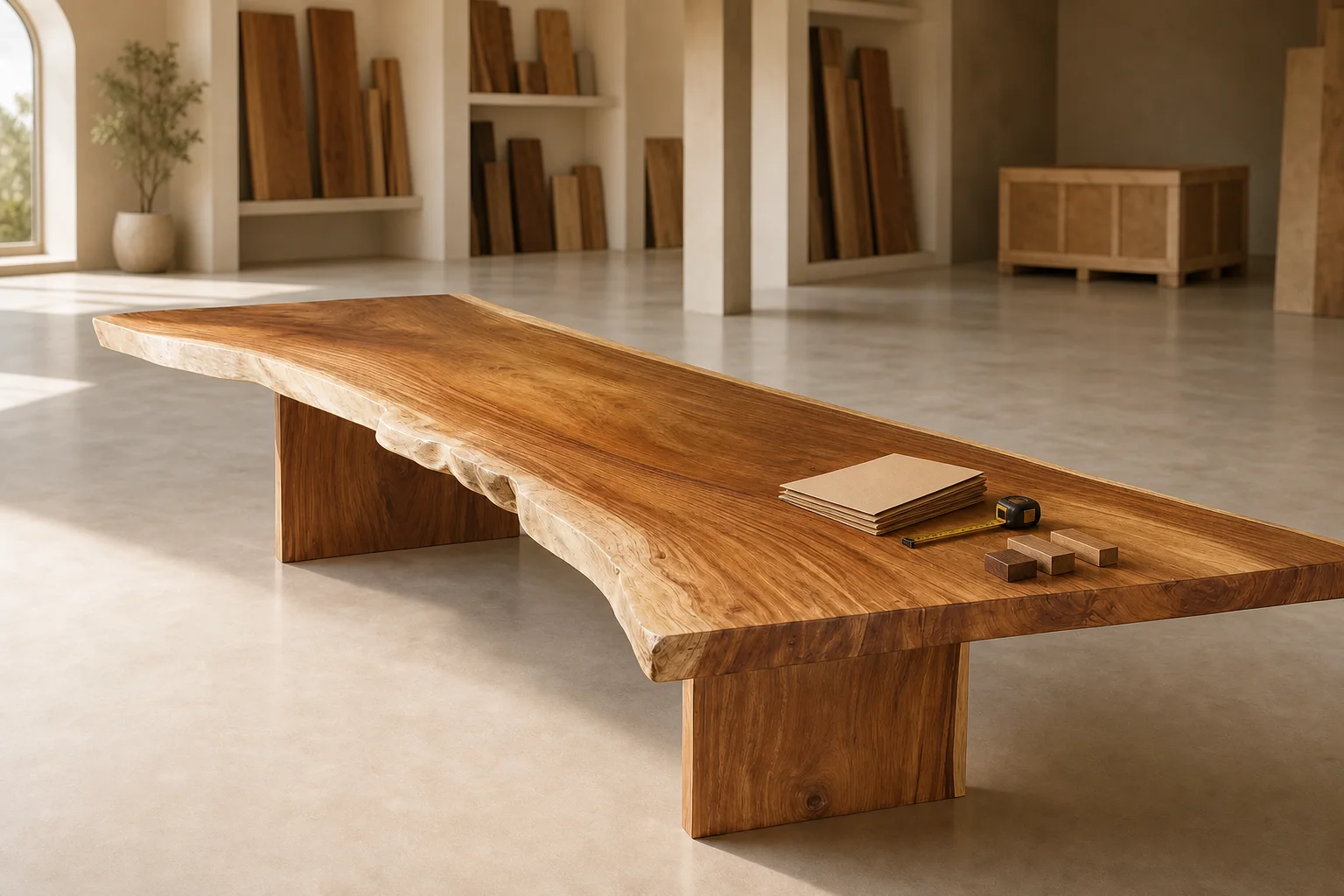
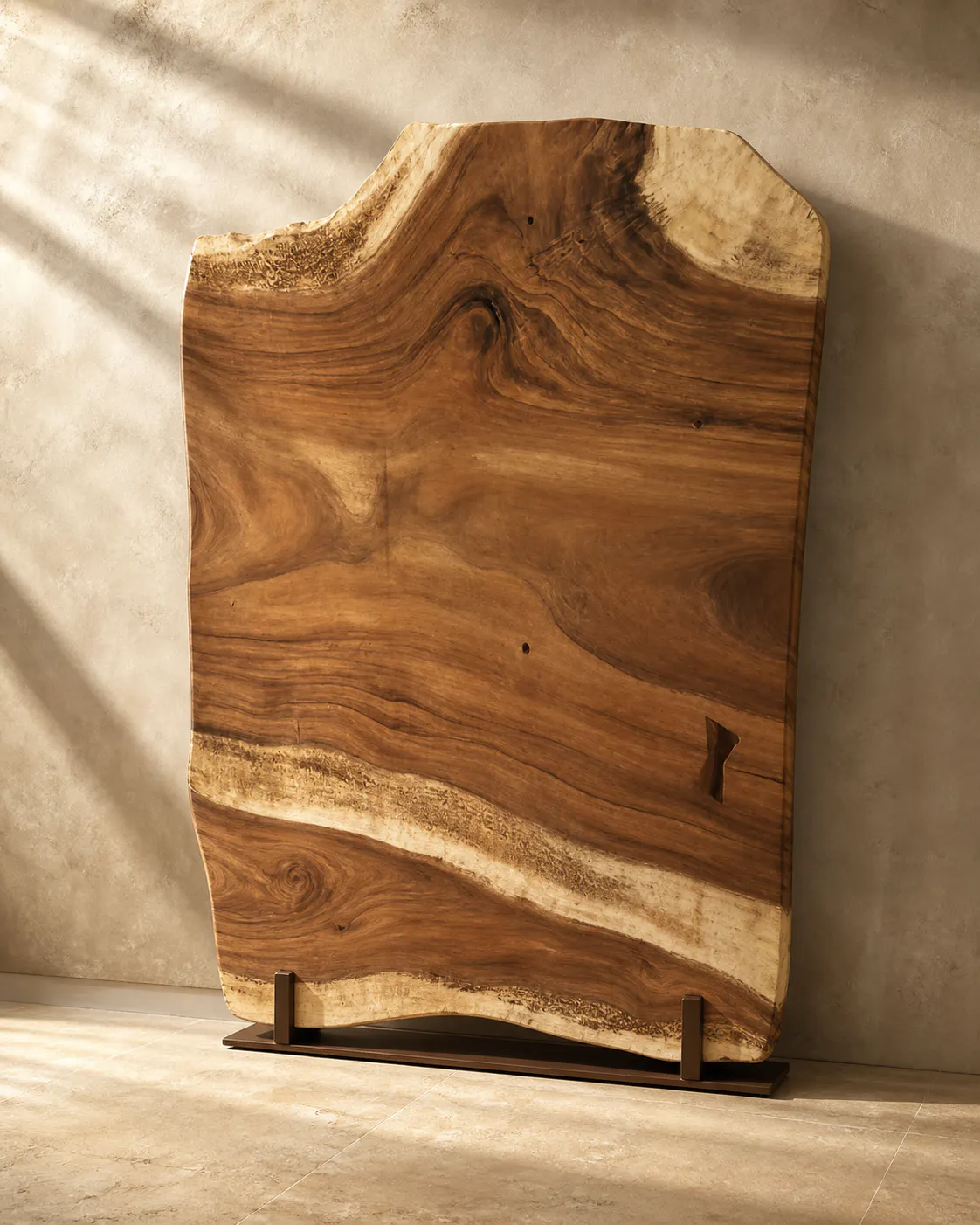
Teak has been part of Thai building and furniture for centuries, and Thailand's plantation teak is a well-established, documented industry. Thai teak is prized for its natural oils, which give it resistance to moisture, rot and insects, and for a grain that deepens beautifully with age.
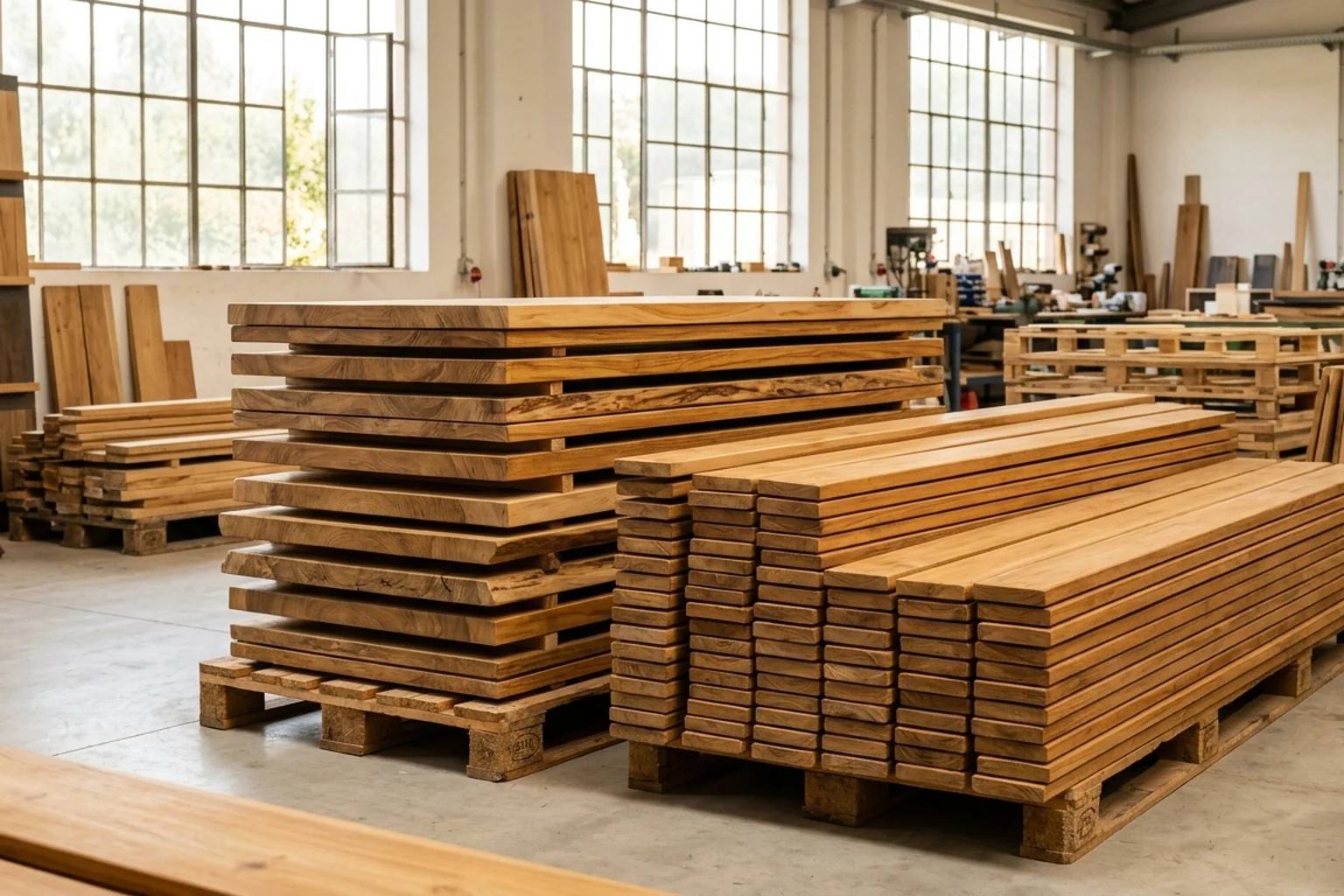
That history matters for buyers because it means experienced sawmills, kiln operators and furniture makers exist at every scale. The industry did not appear to serve one export boom; it grew from continuous domestic use, which is why craft standards and material knowledge are embedded rather than improvised.
2. The country is a starting point, not the whole answer
Every teak-producing country has excellent factories and poor ones. What separates suppliers is whether they can prove what they sell: species confirmed, source records available, legality documentation in order, and the piece made by named craftspeople or a production line you can visit.
This is why the useful question is not simply, is it Thai teak, but can you show me the records for this lot, confirm the species in writing, and tell me exactly who makes the piece and how it is processed. A serious supplier answers all three without hesitation.
3. Custom work is the real differentiator
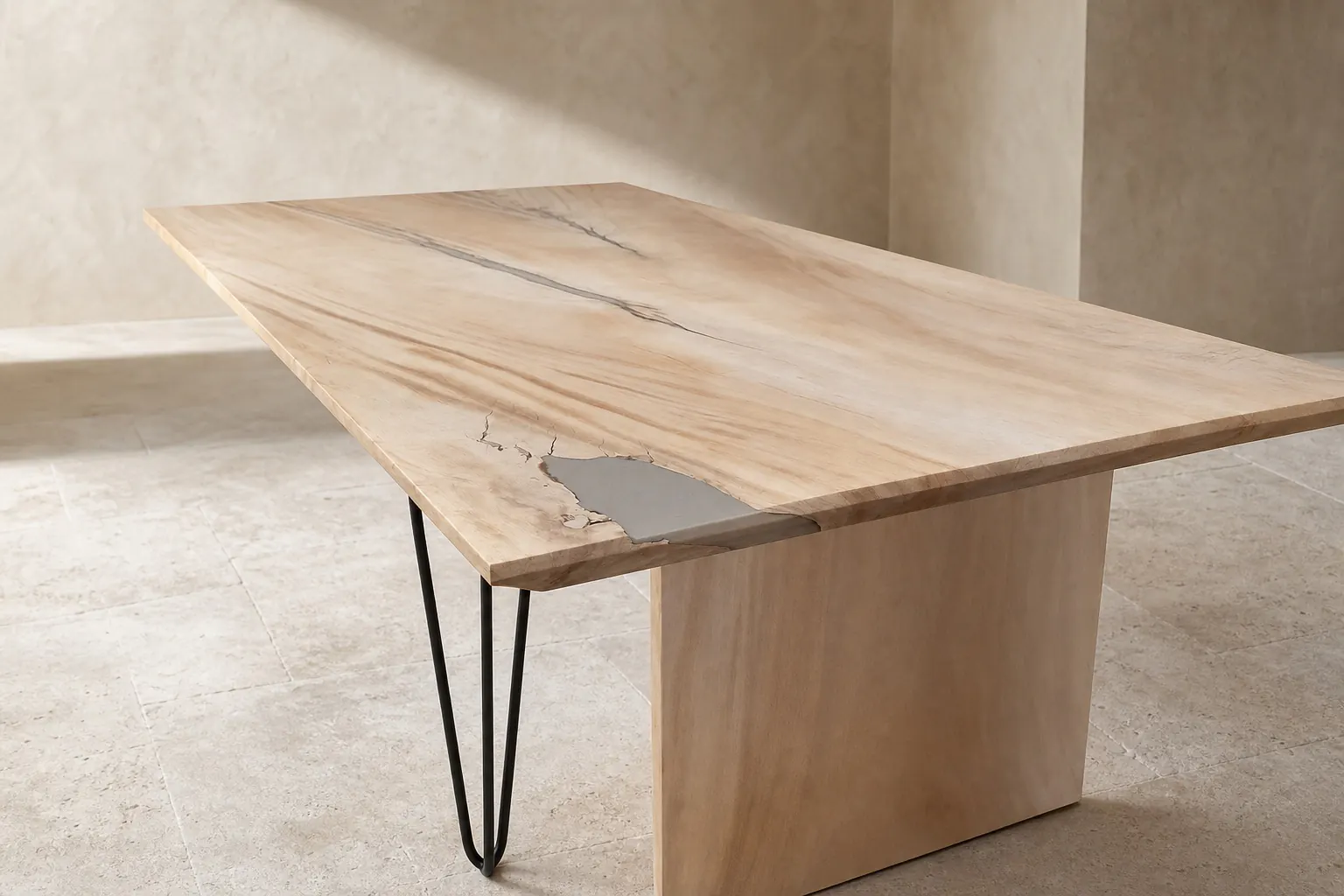
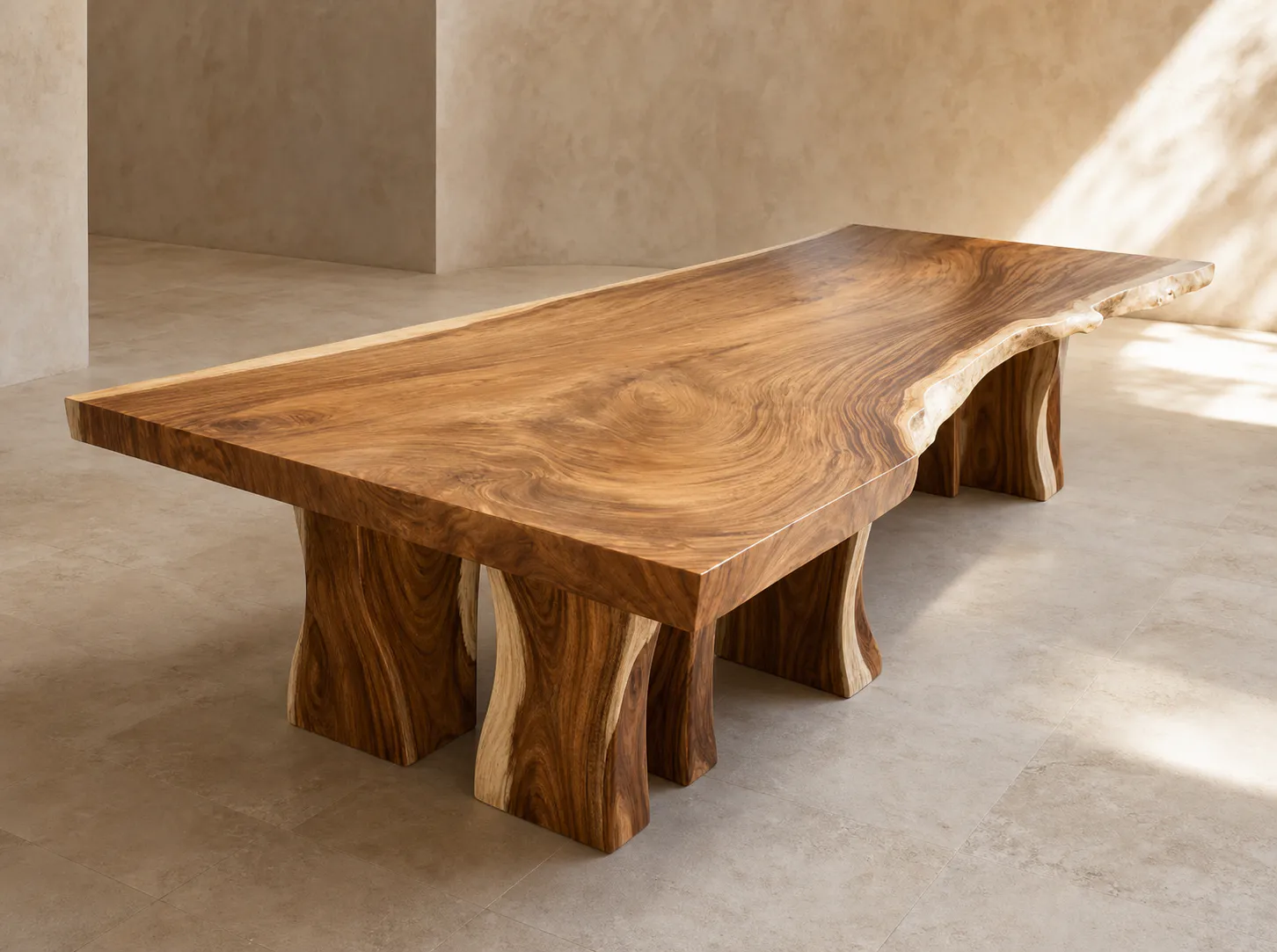
Buying from a factory catalogue is available from many countries. Buying a piece made to your dimensions, finish and detail is a different capability, and it is where Thai furniture makers are genuinely strong: custom residential pieces, hospitality orders and project furniture with approvals and delivery planning.
If your project involves a hotel, restaurant or a home with specific dimensions, the supplier's custom process matters more than the origin label. Ask how briefs are handled, what is confirmed before production, and how revisions and approvals work.
4. Export handling and documentation
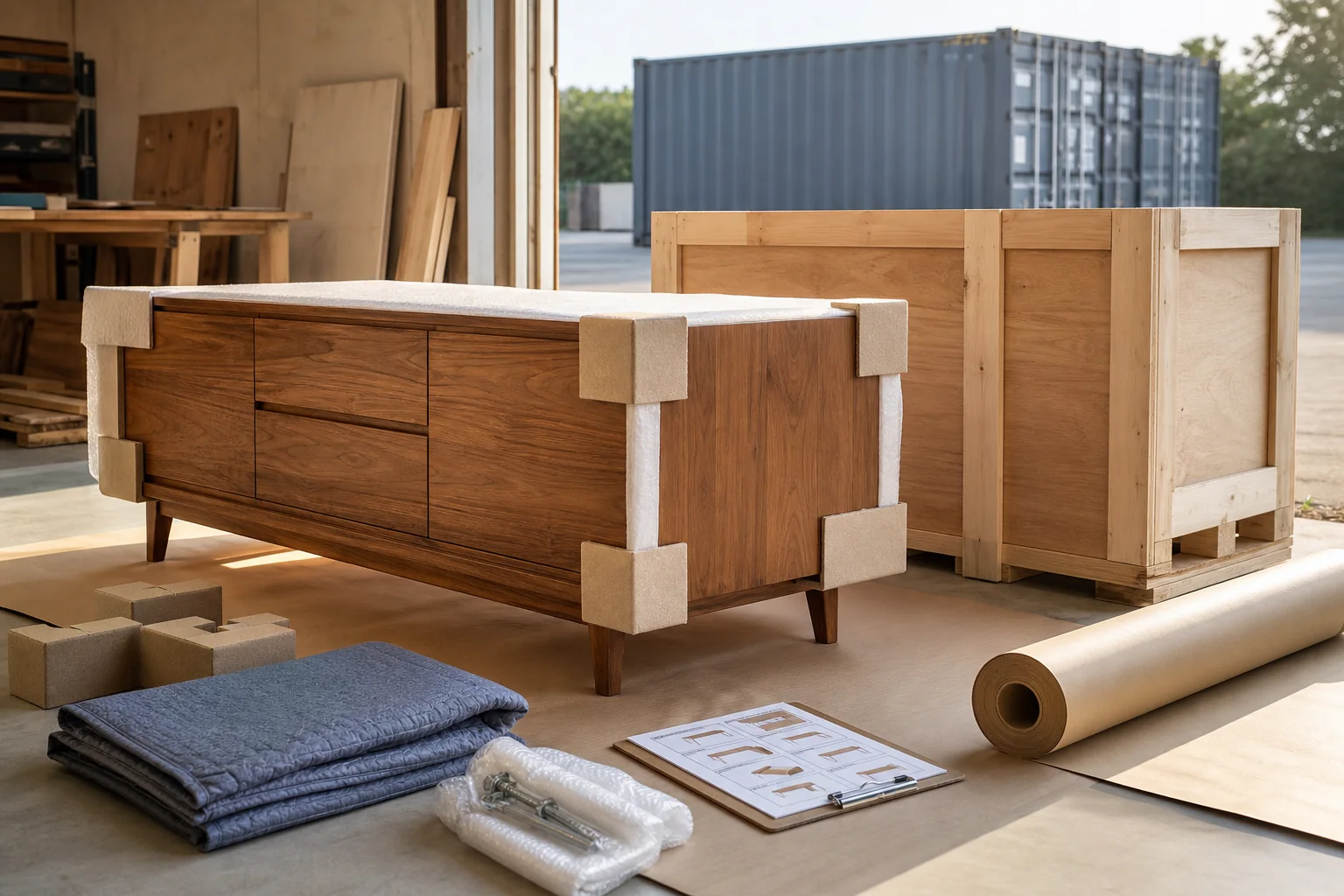
International buyers need more than a good table; they need packing, freight, customs and insurance to work in sequence. Confirm whether the supplier handles mixed, project and container orders, and what documentation accompanies each shipment.
Timber legality is a serious matter in the EU and US. Species, source records, processing and export eligibility should be confirmed for the exact piece or lot, and destination customs, biosecurity and timber requirements should be checked for the exact order. Any supplier who cannot speak to these points is a risk regardless of country.
5. Questions to ask any supplier
Keep the list short and write the answers down. Ask what species is used and whether it is confirmed per piece or per lot, whether source and legality records are available, who makes the piece and how, whether custom dimensions and finishes are a standard service, and how export, freight and documentation are handled.
A supplier who answers clearly and in writing is easier to work with than one who answers vaguely and verbally, no matter how good the photographs are.
- Species confirmed in writing for the exact piece
- Source and legality records available
- Maker and process identifiable
- Custom dimensions and finishes confirmed before production
- Export, freight, customs and insurance handled end to end
Buy the verifiable story
Thai teak furniture is worth buying for real reasons: genuine plantation teak, long craft tradition and serious custom and export capability. Make those reasons verifiable by asking the right questions and getting the answers in writing, and you will know exactly what you are buying, wherever the supplier is based.