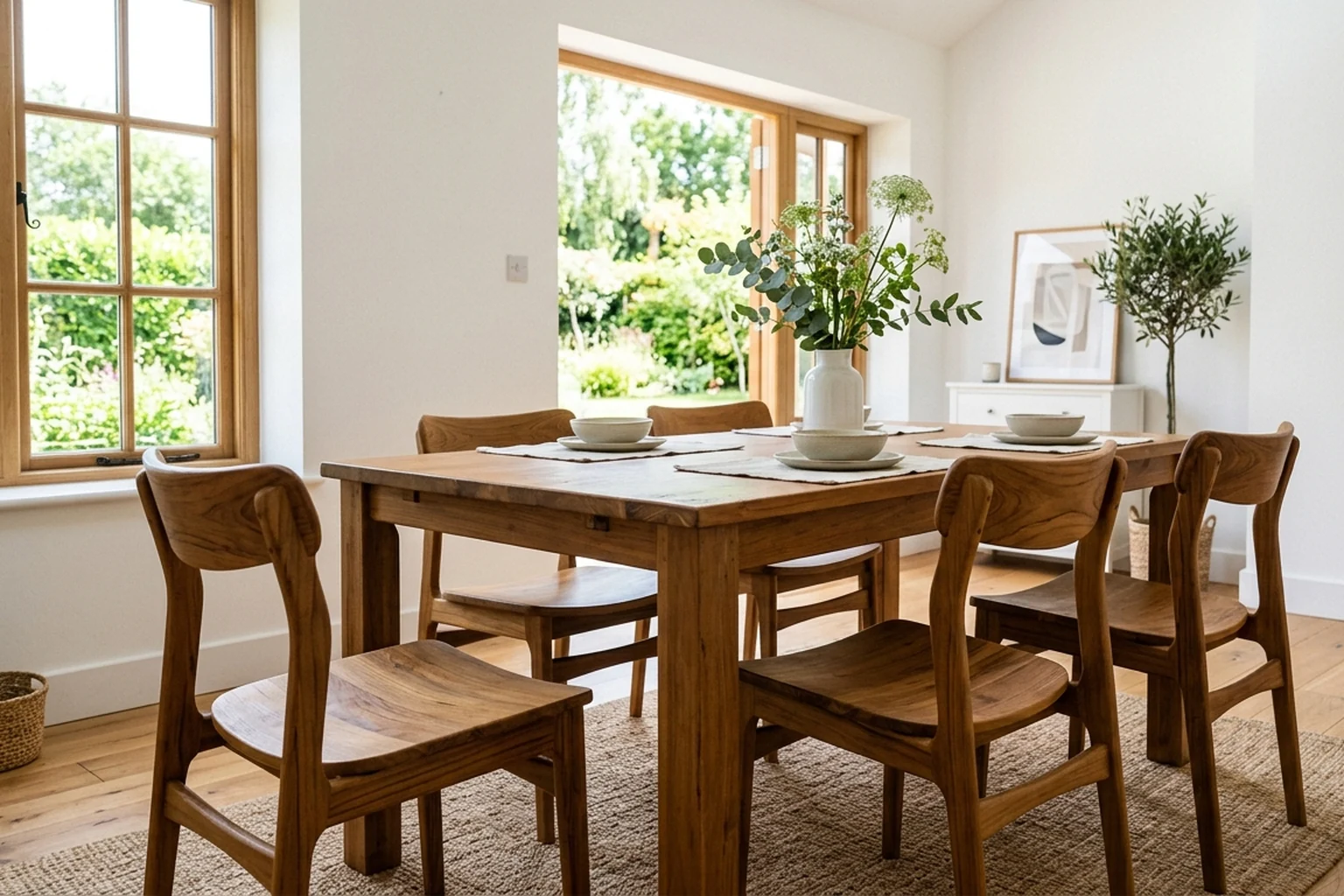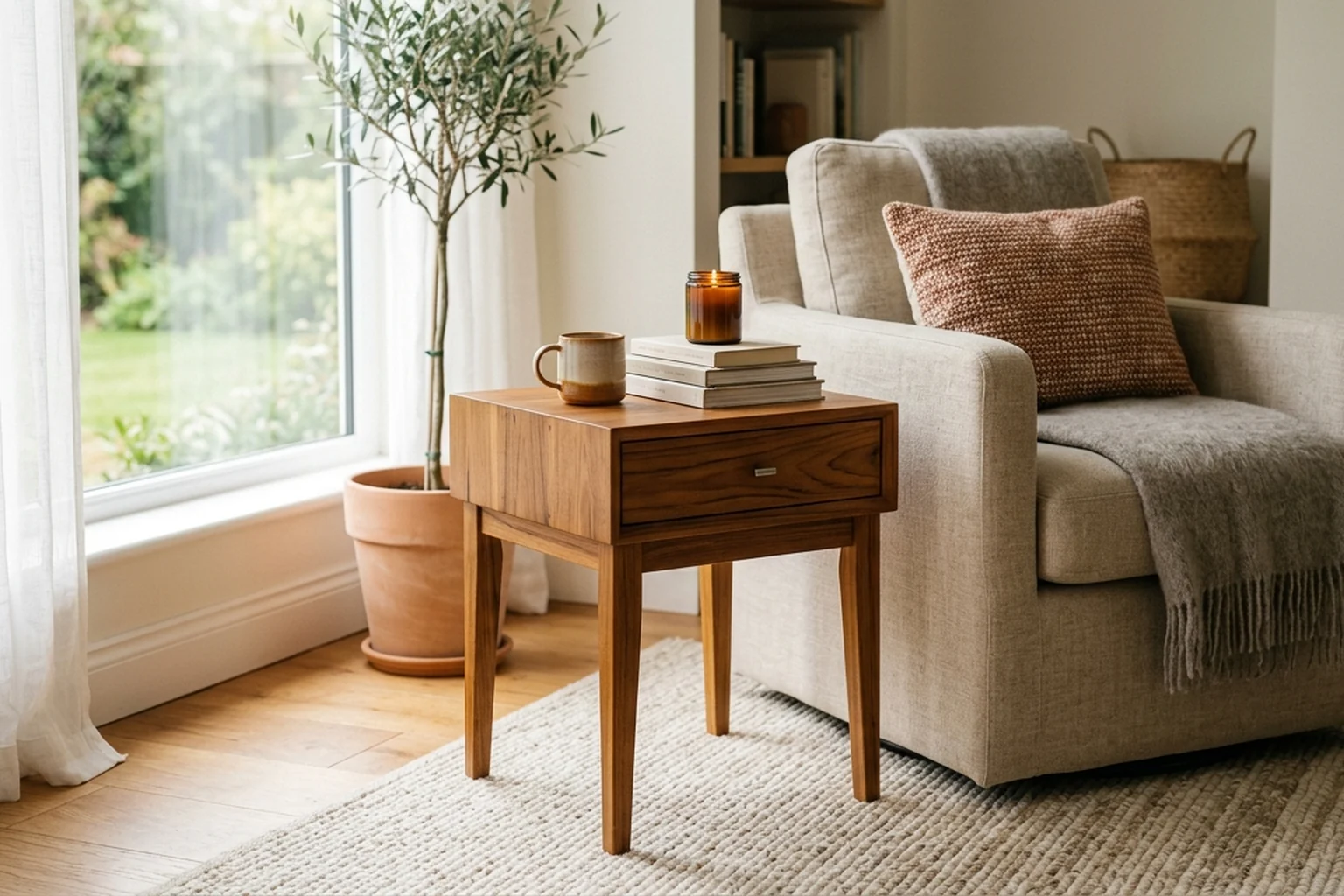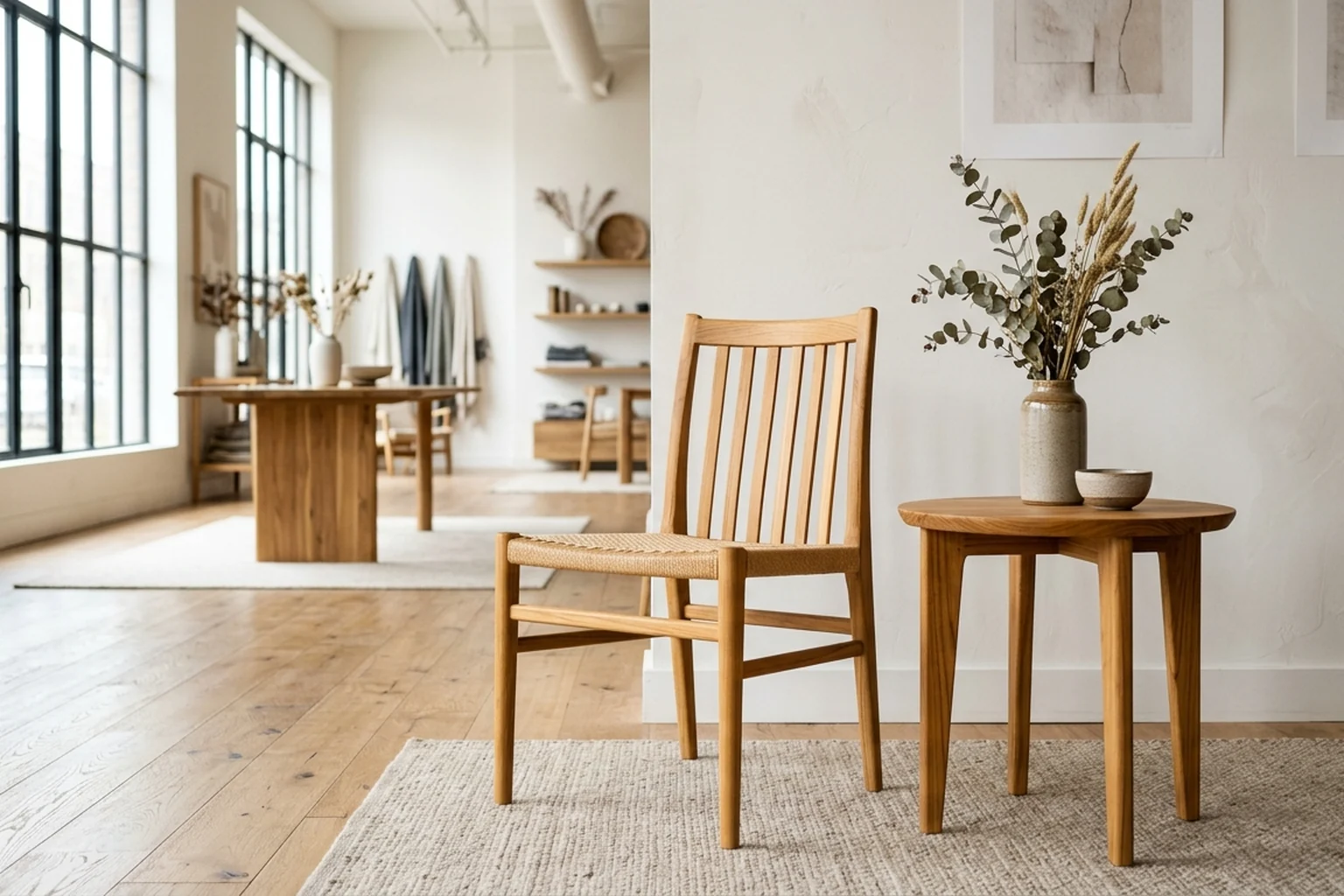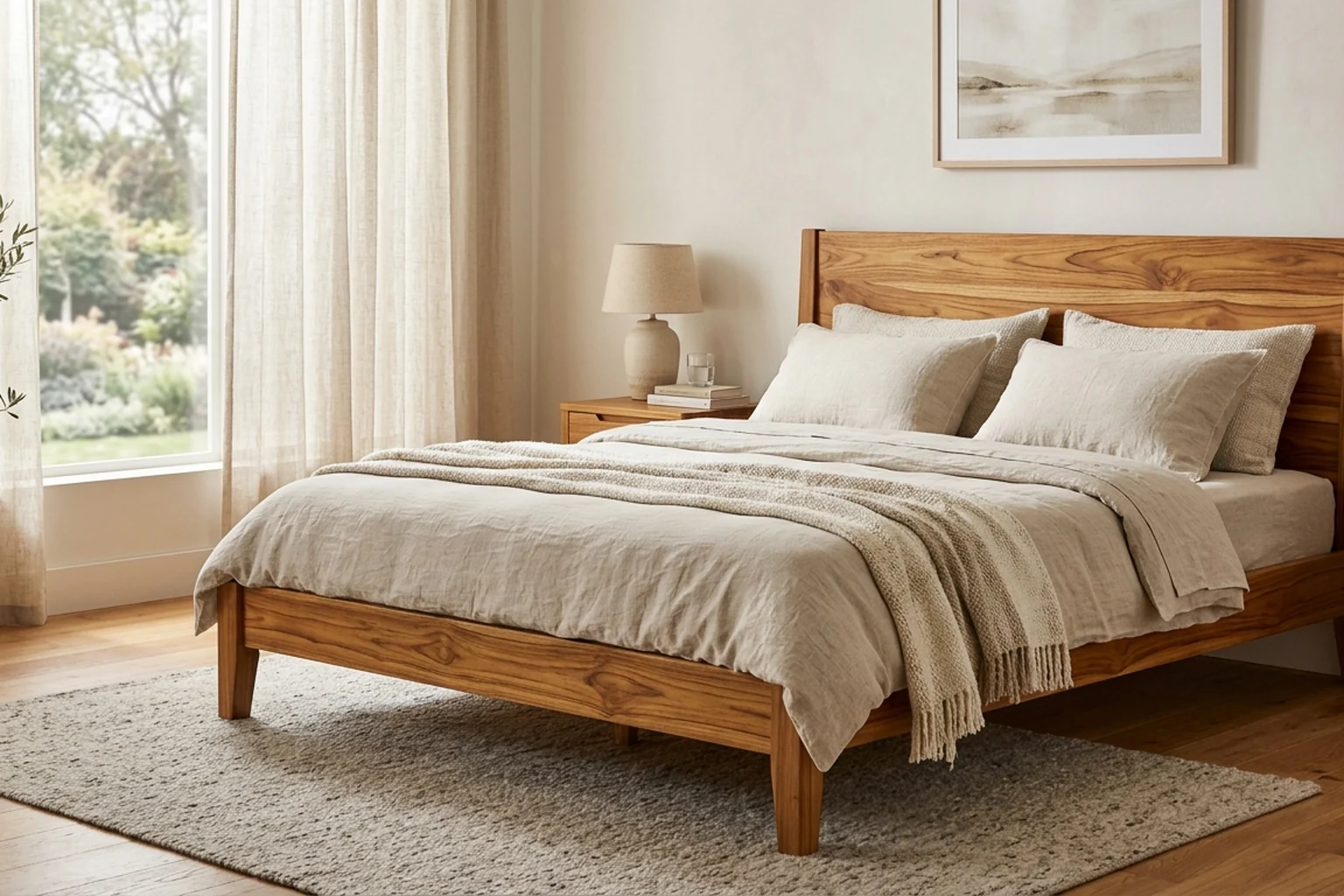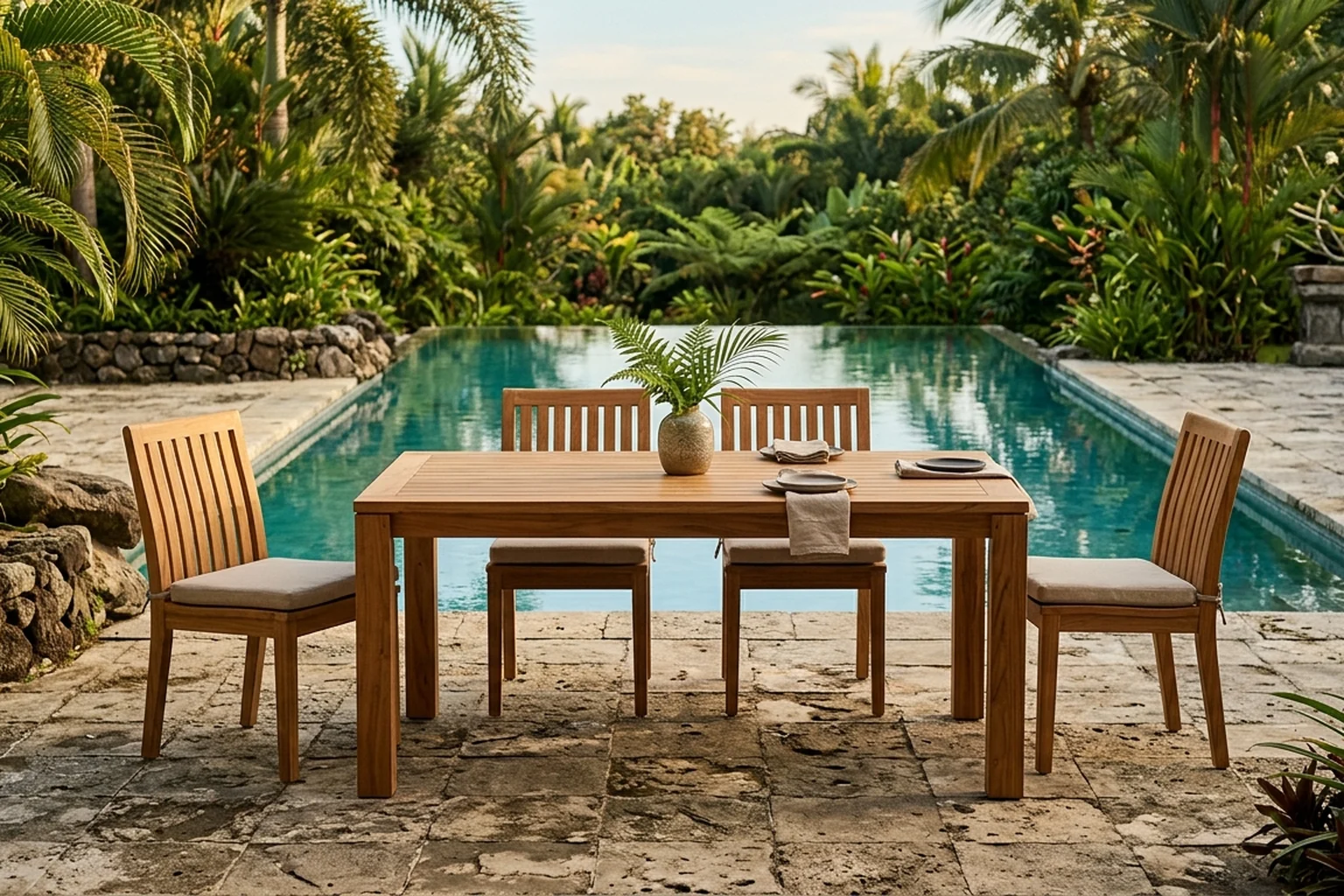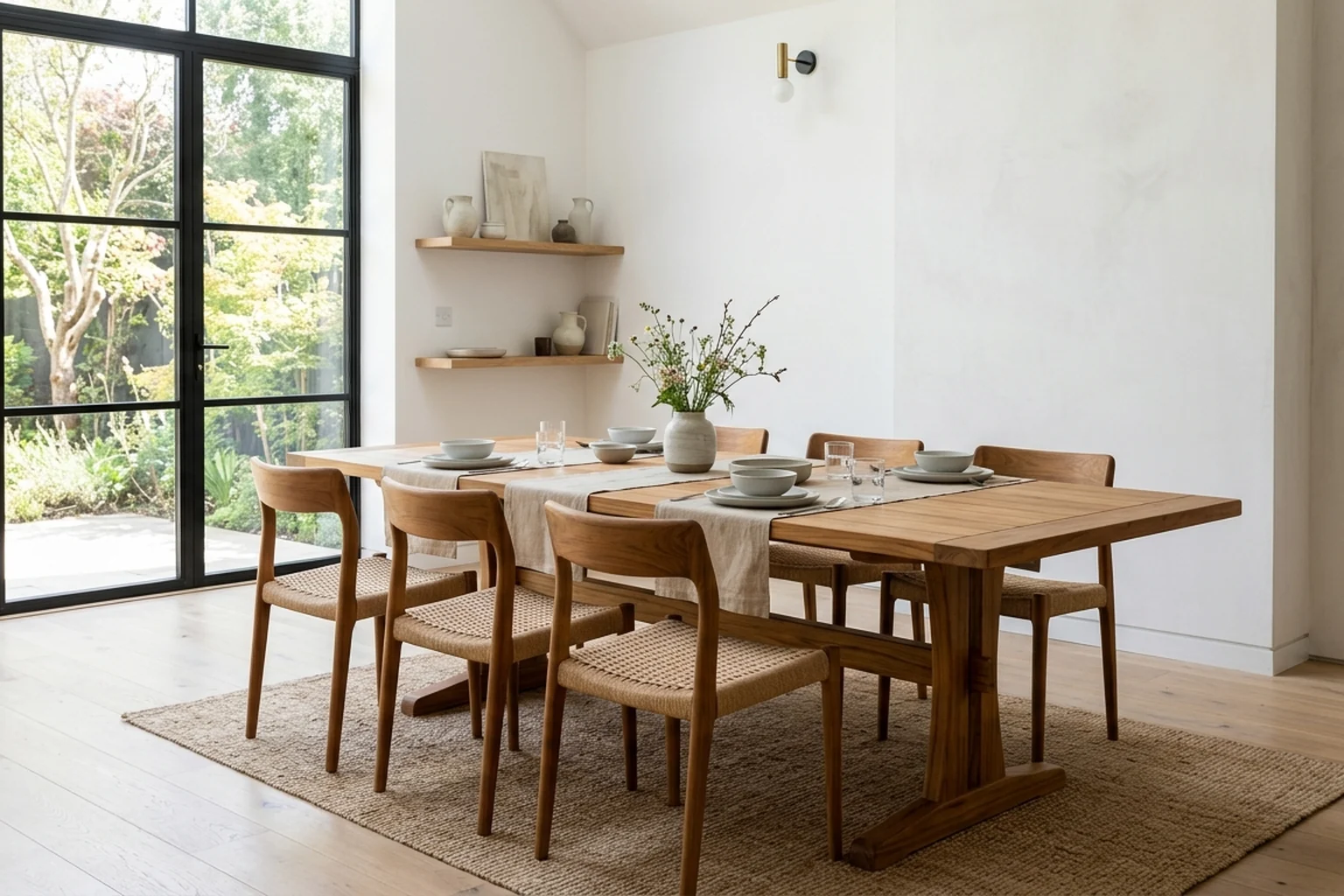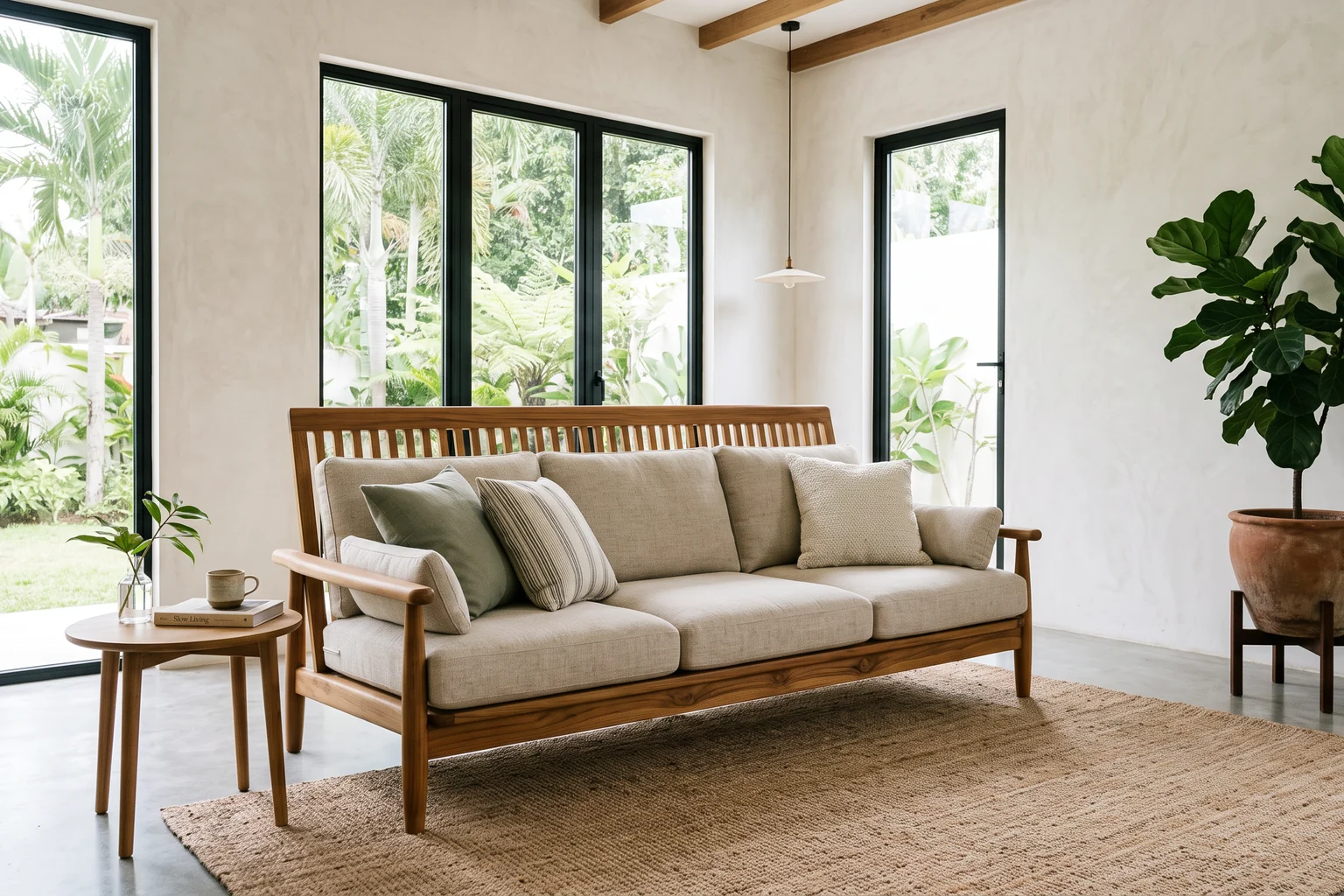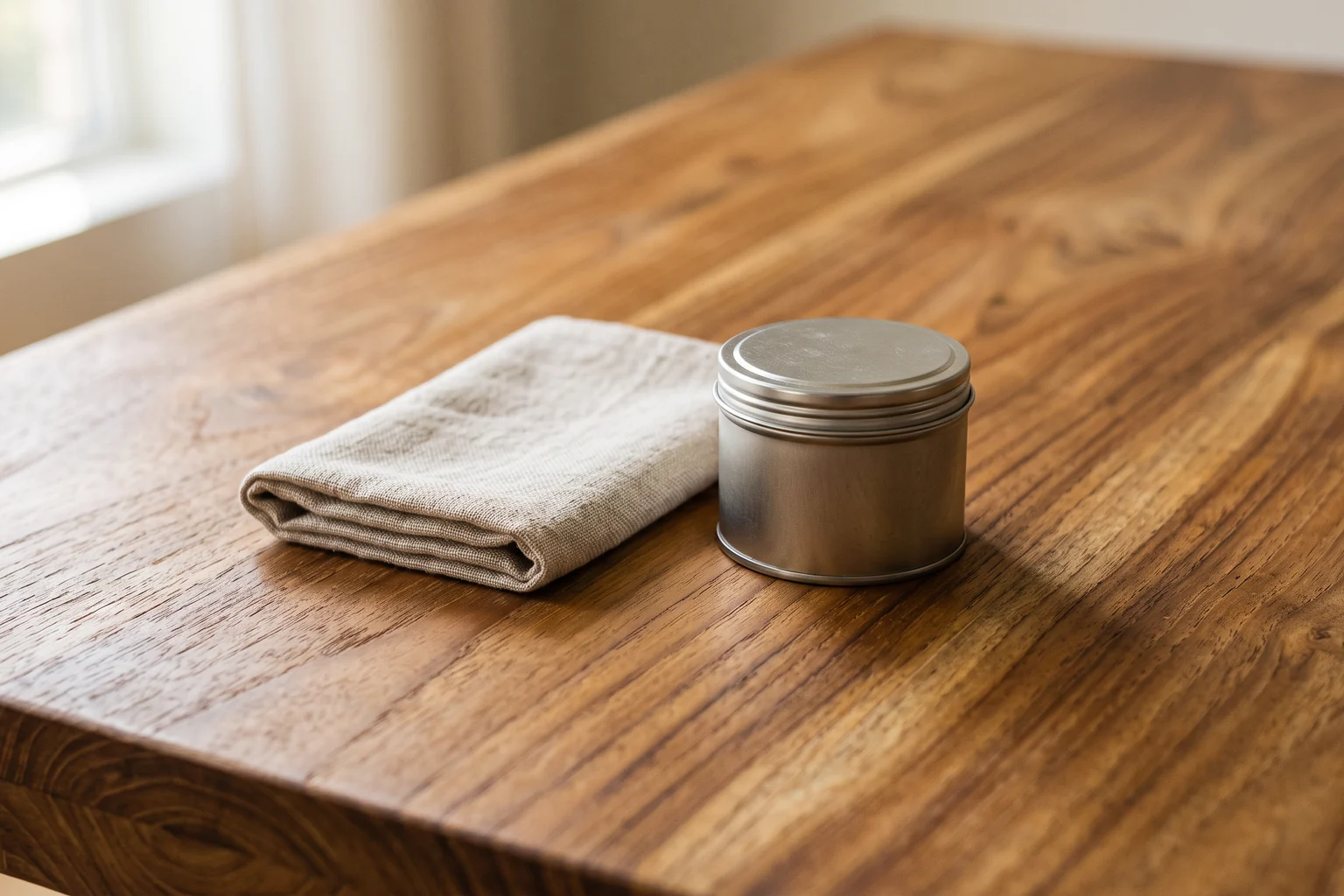
The short answer
Treat a wholesale order as a schedule, not a shopping list: decide the item mix and quantities your market actually needs, choose LCL or FCL based on volume, confirm MOQ and pricing terms (FOB or CIF) in writing, and verify quality control, export packing and wood documentation before dispatch. A factory that exports regularly will handle the paperwork and tell you the real lead time.
1. Decide whether a container order fits your business
Wholesale pricing exists because the buyer commits to volume. That commitment brings lower unit prices, but it also brings storage, capital and timing obligations. Before asking for a quote, be honest about how much you can sell or consume in the window the factory can deliver, and how long you can hold the goods once they arrive.
The clearest signal that a container makes sense is repeat demand: an item or group of items you already sell steadily, or a project with a confirmed requirement. If you are testing a market, a less-than-containerload (LCL) shipment or a mixed sample order lets you validate designs at a higher unit cost before committing to full container quantities.
- Repeat demand or confirmed project requirement
- Storage space and capital for the full volume
- Realistic sales window for the goods
- Lead time tolerance for production and sea freight
2. Choose LCL or FCL, and the right container size
Your volume decides the shipping method. LCL shares a container with other shippers and works for smaller orders, but unit freight is higher and handling is less gentle. FCL gives you the whole container: better packing control, lower freight per cubic metre and fewer transfer points.
As a planning guide, a 20-foot container carries roughly 28 cubic metres of cargo and a 40-foot container roughly 58 cubic metres; a 40-foot high-cube adds headroom that matters for tall pieces such as dining chairs or wardrobes. These figures are approximations because packing efficiency depends on the actual item shapes and how tightly they nest, so ask the factory to calculate loadability for your specific mix rather than trusting generic numbers.
- LCL for small or mixed trial orders
- FCL for volume with better packing control
- 20ft / 40ft / 40ft high-cube matched to item height
- Factory loadability calculation for your mix
3. Build the item schedule before asking for prices
A wholesale quotation is only as reliable as the schedule behind it. List each design with its finished dimensions, finish, quantity and any approved reference or photograph. Anchor items give the container its core value; fill items use remaining space efficiently, and a small allowance for spares and damaged replacements is normal for traders.
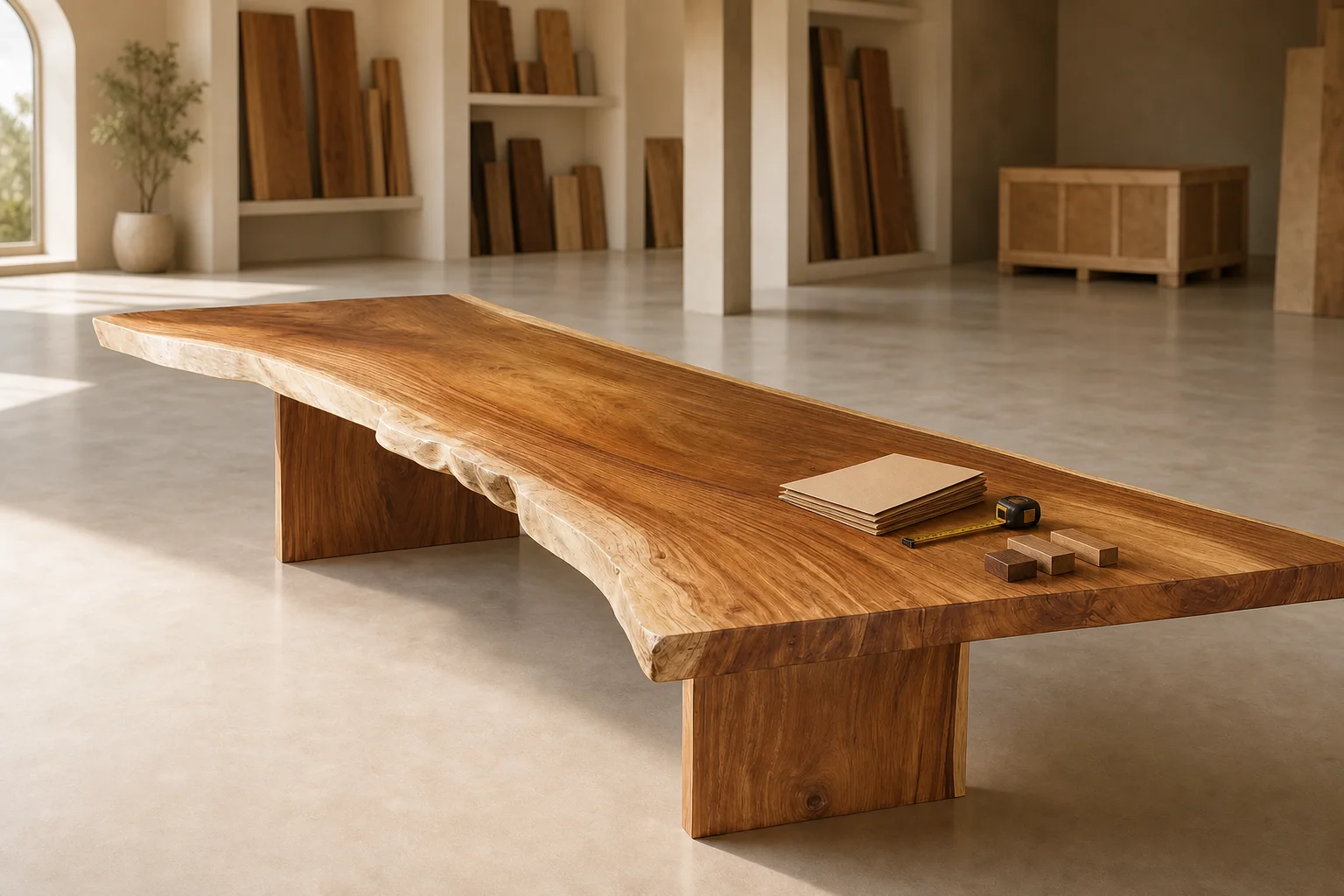
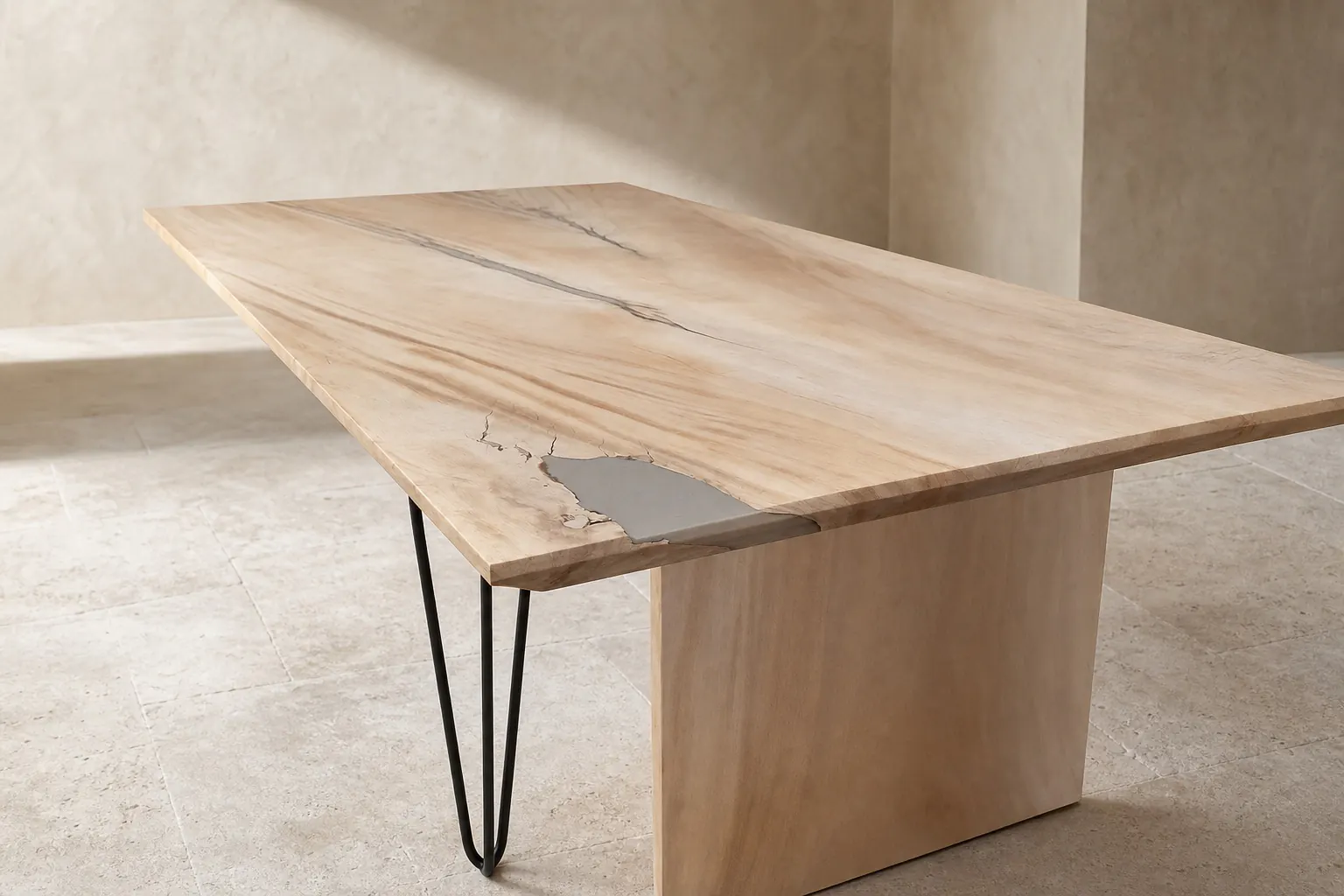
Consistency matters as much as price. Confirm that all pieces in a batch match the approved reference for dimensions, colour and finish, and how natural variation in teak is handled across the lot. A factory with its own production and export coordination, like M Furniture & Decor, can quote mixed, project and container orders from a single schedule and confirm species and source records for the exact lot.
- Each design with finished dimensions and finish
- Approved reference or photograph per item
- Anchor items, fill items and spare allowance
- How natural teak variation is managed across the lot
4. Agree pricing terms and what each one includes
FOB and CIF change where your responsibility begins. Under FOB, the seller's responsibility ends when the goods are loaded on board the vessel; freight, insurance and the rest of the journey are yours. Under CIF, the seller arranges and pays for insurance and freight to the destination port, which simplifies your side but is reflected in the price.
Ask for a written breakdown of what the quoted price includes: export packing, inland transport to the port, documentation, port charges and any inspection. Payment for wholesale orders is normally staged, for example a deposit to confirm production and the balance before dispatch. Agree the staging, the incoterm, the lead time and the destination in writing before any money moves.
- Incoterm agreed: FOB or CIF
- Written price breakdown of what is included
- Payment stages and accepted methods
- Lead time and destination confirmed in writing
5. Quality control, export packing and wood documentation
Buying from photographs is buying trust; buying from a container is buying a system. Confirm how the factory inspects pieces before packing, what its quality standard covers (joinery, finish, dimensions, moisture readiness for export), and how it handles pieces that fail the check.
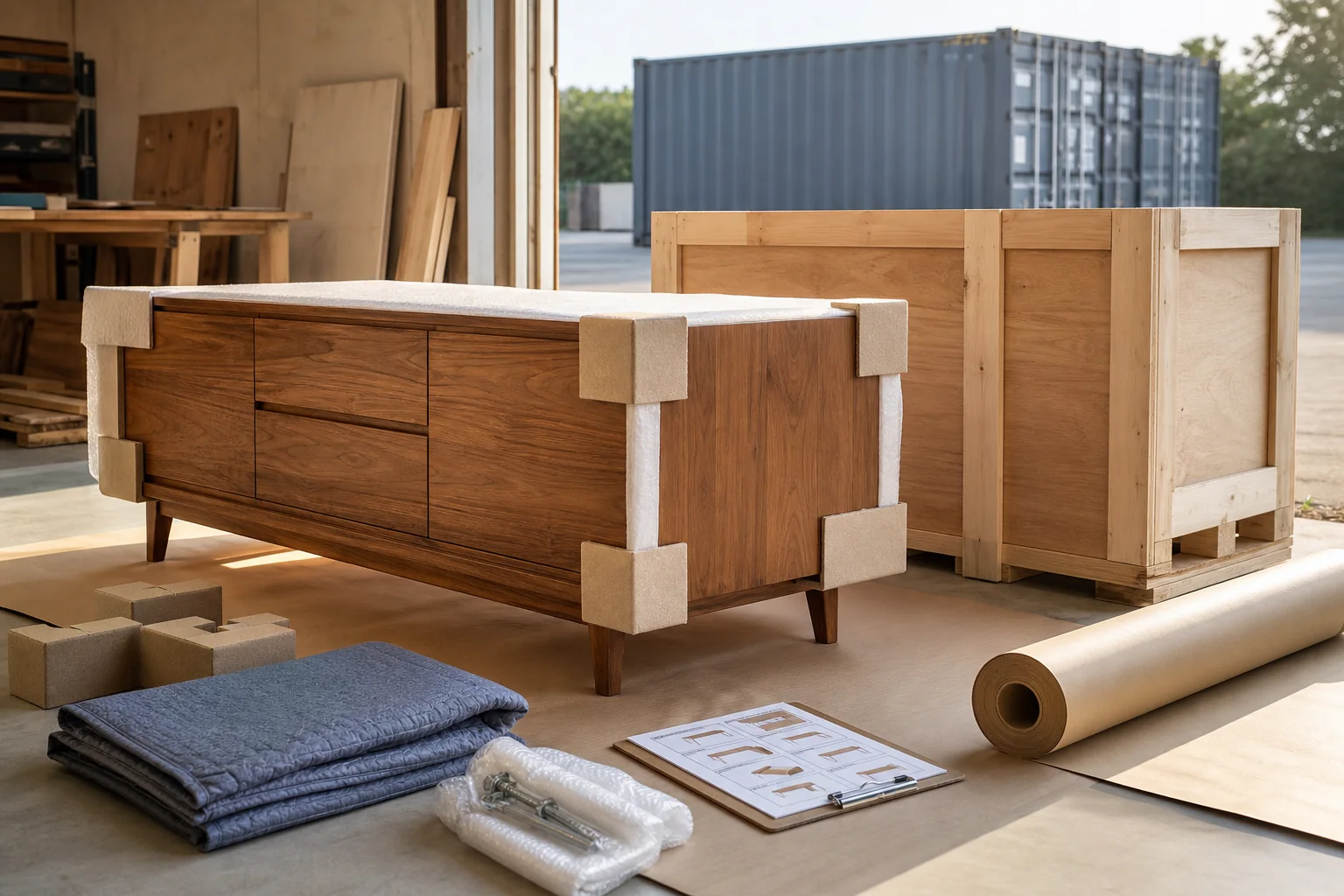
Export packing for sea freight is its own discipline: protective wrapping against moisture and abrasion, corner protection, and cartons or crates sized so pieces do not shift in transit. For wood imports, most destination countries require species identification and source records, so confirm the factory provides commercial invoice, packing list and species/source documentation for the exact lot as a standard part of export orders.
- Inspection and quality standard confirmed
- Export packing method for sea freight
- Commercial invoice and packing list
- Species and source records for the lot
6. What a working Thai teak factory brings
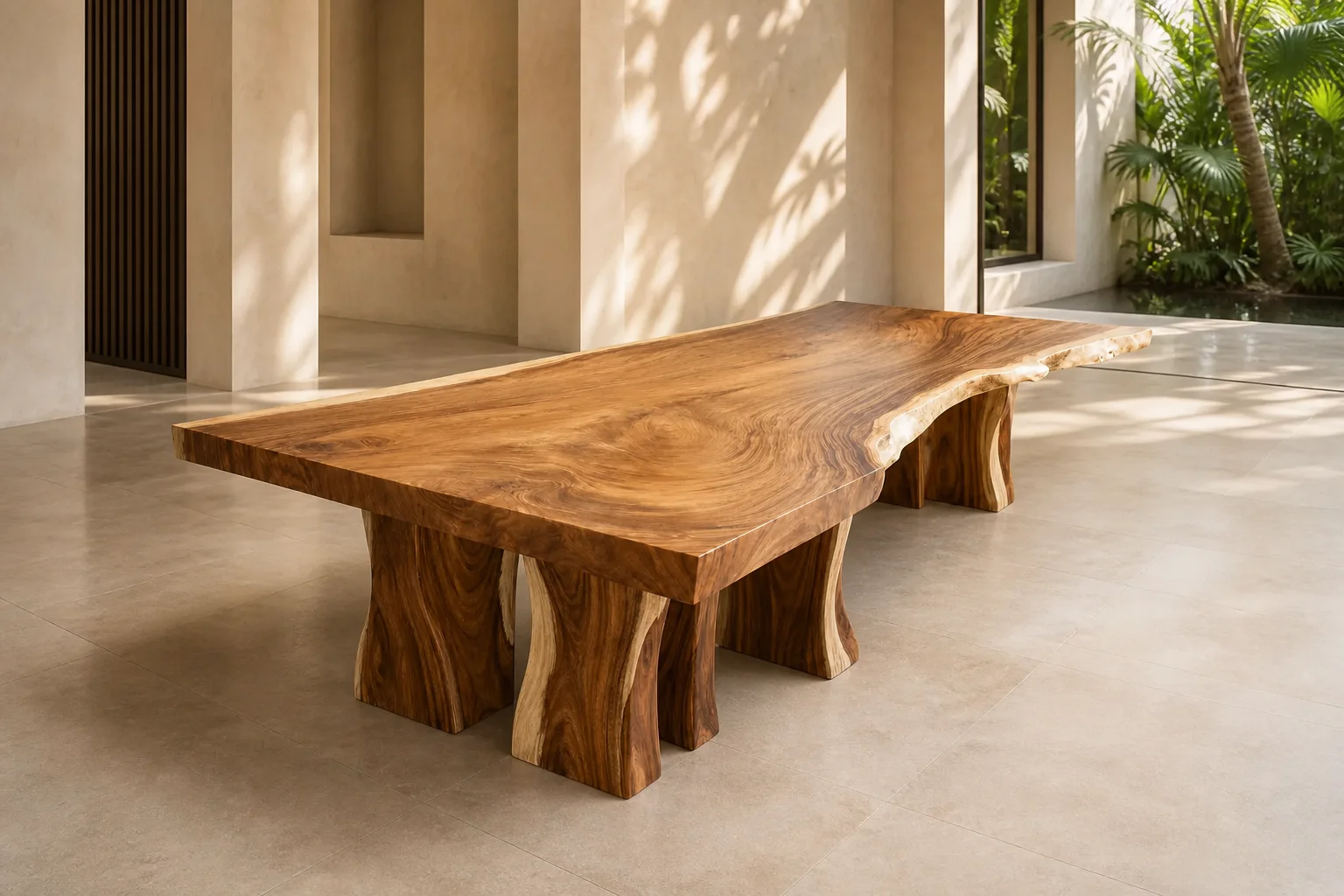
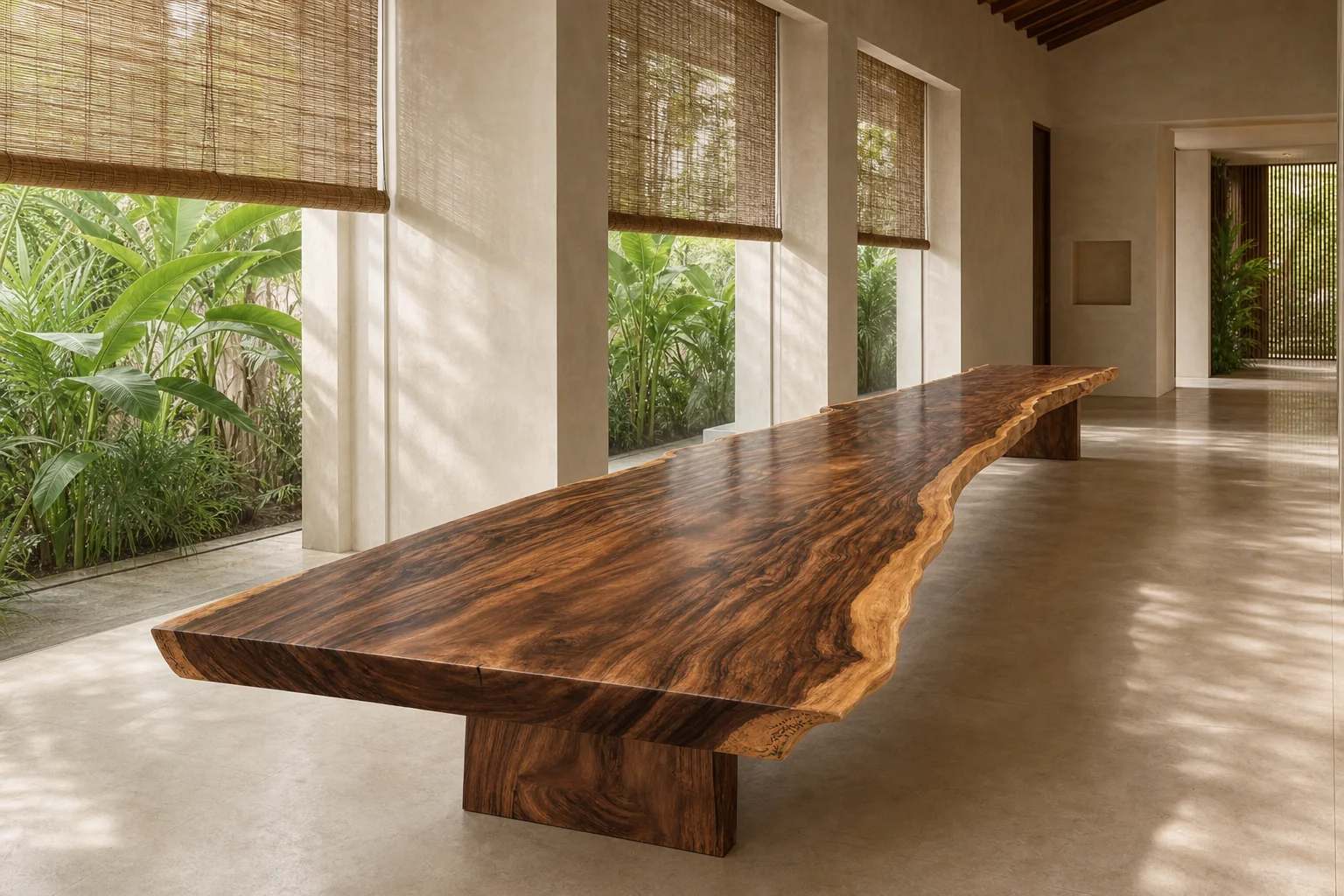
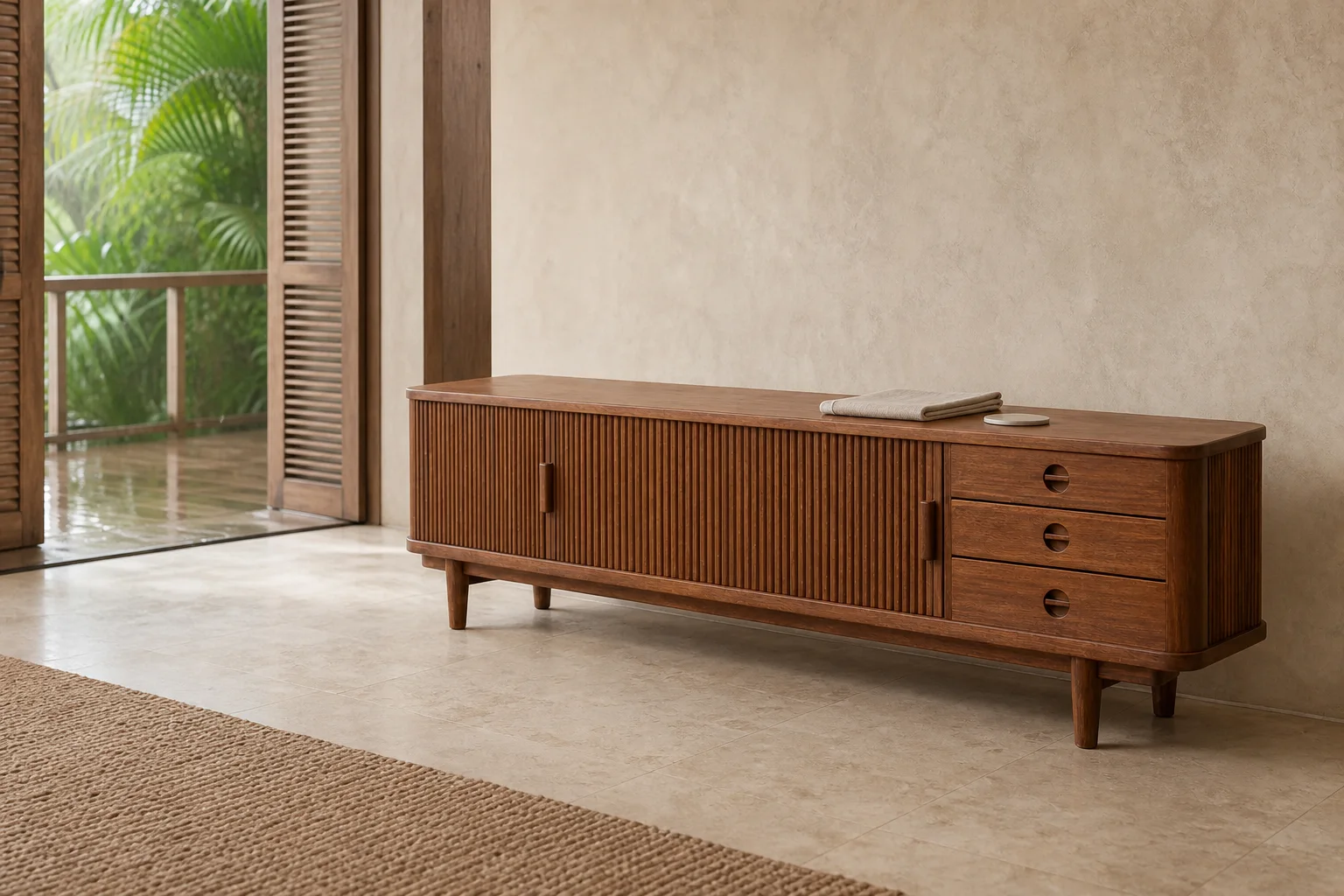
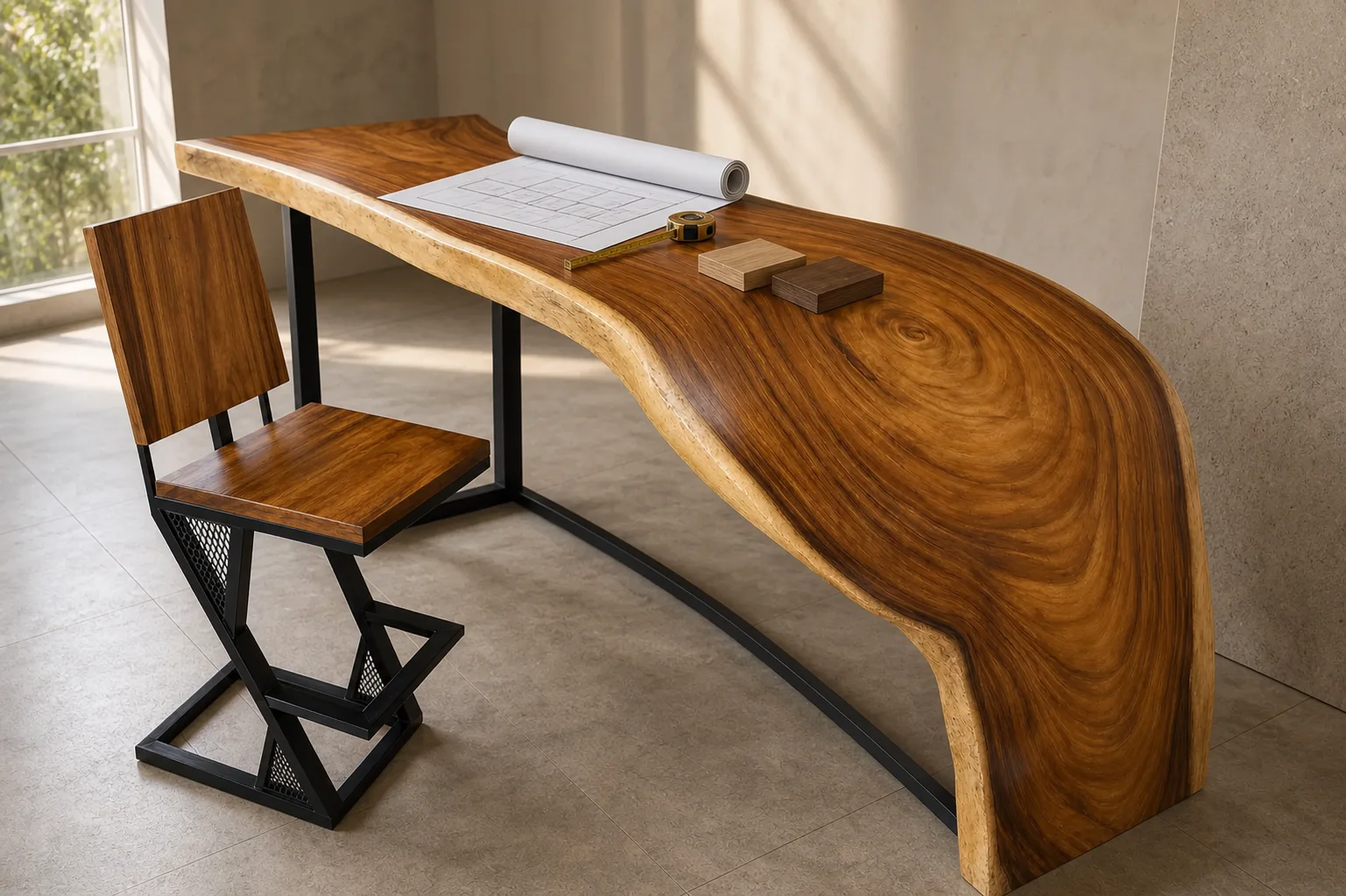
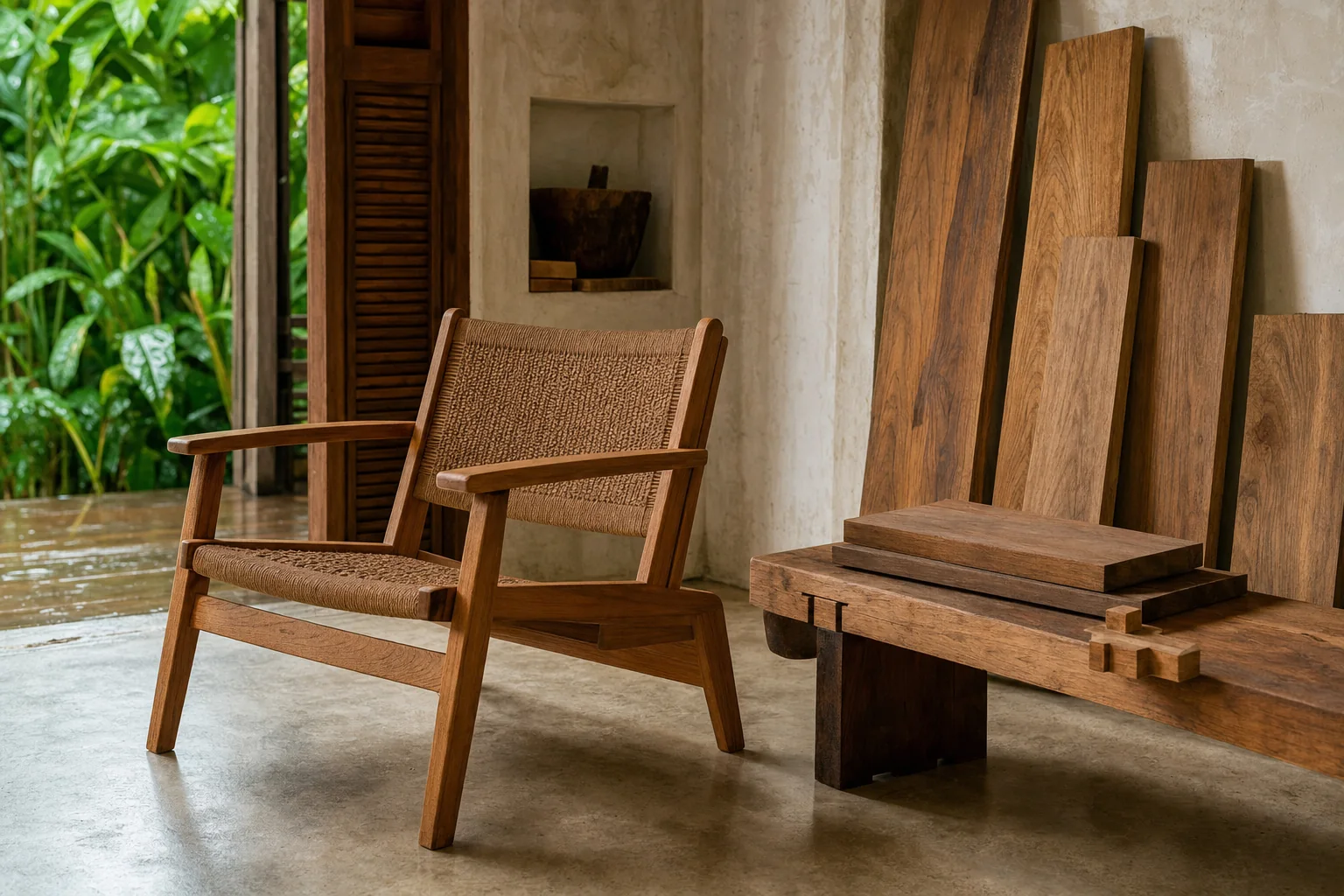
Buying wholesale from a maker rather than a middleman changes what you get: the same people who cut, dry and build the furniture answer your technical questions, and custom sizes or finish changes are part of the conversation rather than an exception. M Furniture & Decor has made custom teak furniture for more than five decades from its showroom on Phet Kasem Road in Cha-am, with a second viewing location in Bangkok, and coordinates single pieces, project orders and container orders for international buyers.
To start, send the item schedule, quantities, destination and target timeline. The fastest direct channel is WhatsApp at +66 614 456 154. Expect a quotation with lead time rather than a promise of stock; production runs are scheduled against confirmed orders, which is how the factory keeps the quality control that wholesale buyers depend on.
- Schedule, quantities, destination and timeline ready
- Direct line of contact with the maker
- Quotation with lead time, not stock promises
- Everything confirmed in writing before production
Buy the system, not just the wood
A good wholesale relationship is built on the schedule, the container plan and the terms agreed before production. Decide your volume honestly, confirm MOQ and incoterms in writing, and verify packing and wood documentation before dispatch. Done that way, a container of Thai teak furniture arrives as the asset you planned, ready to sell or install.