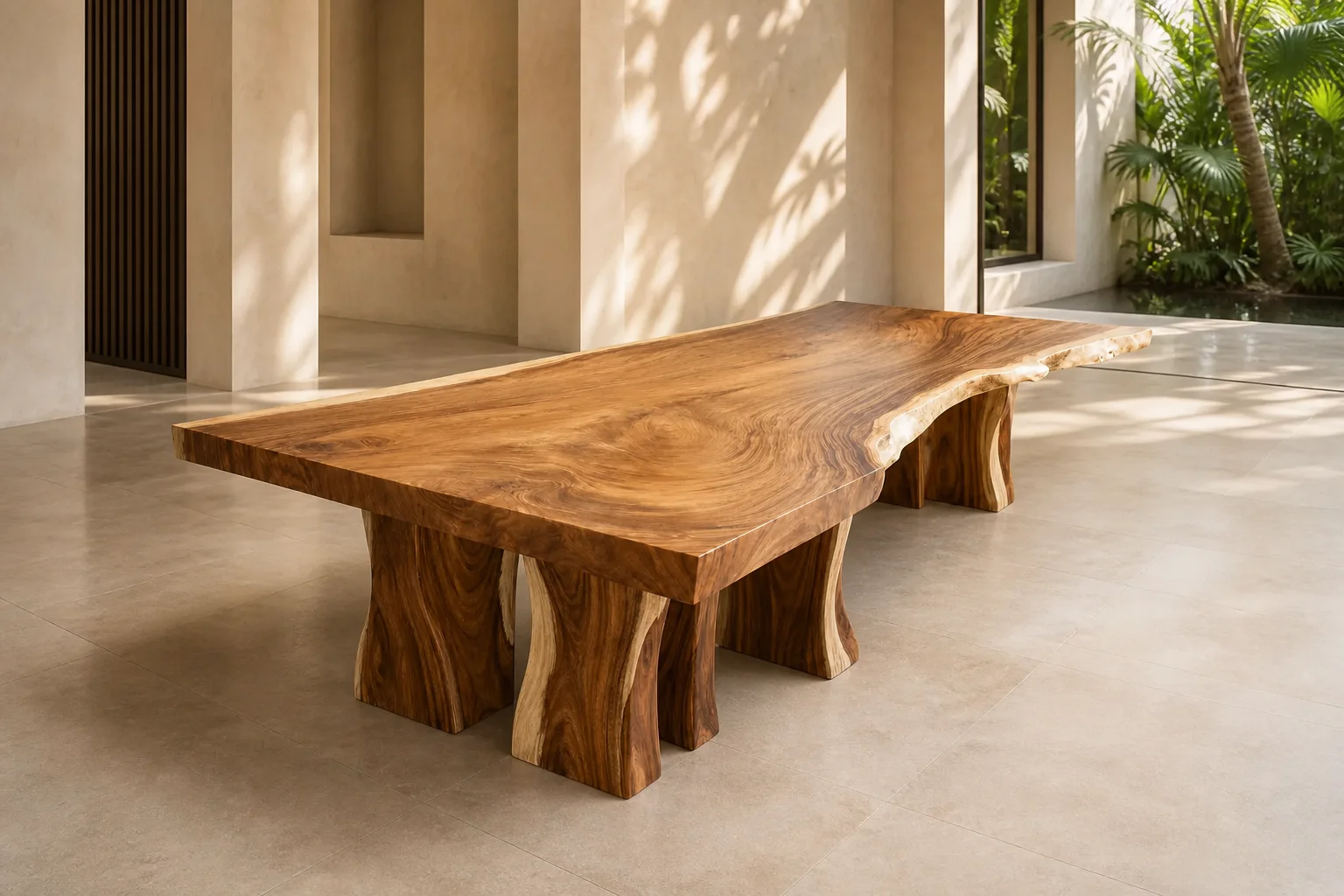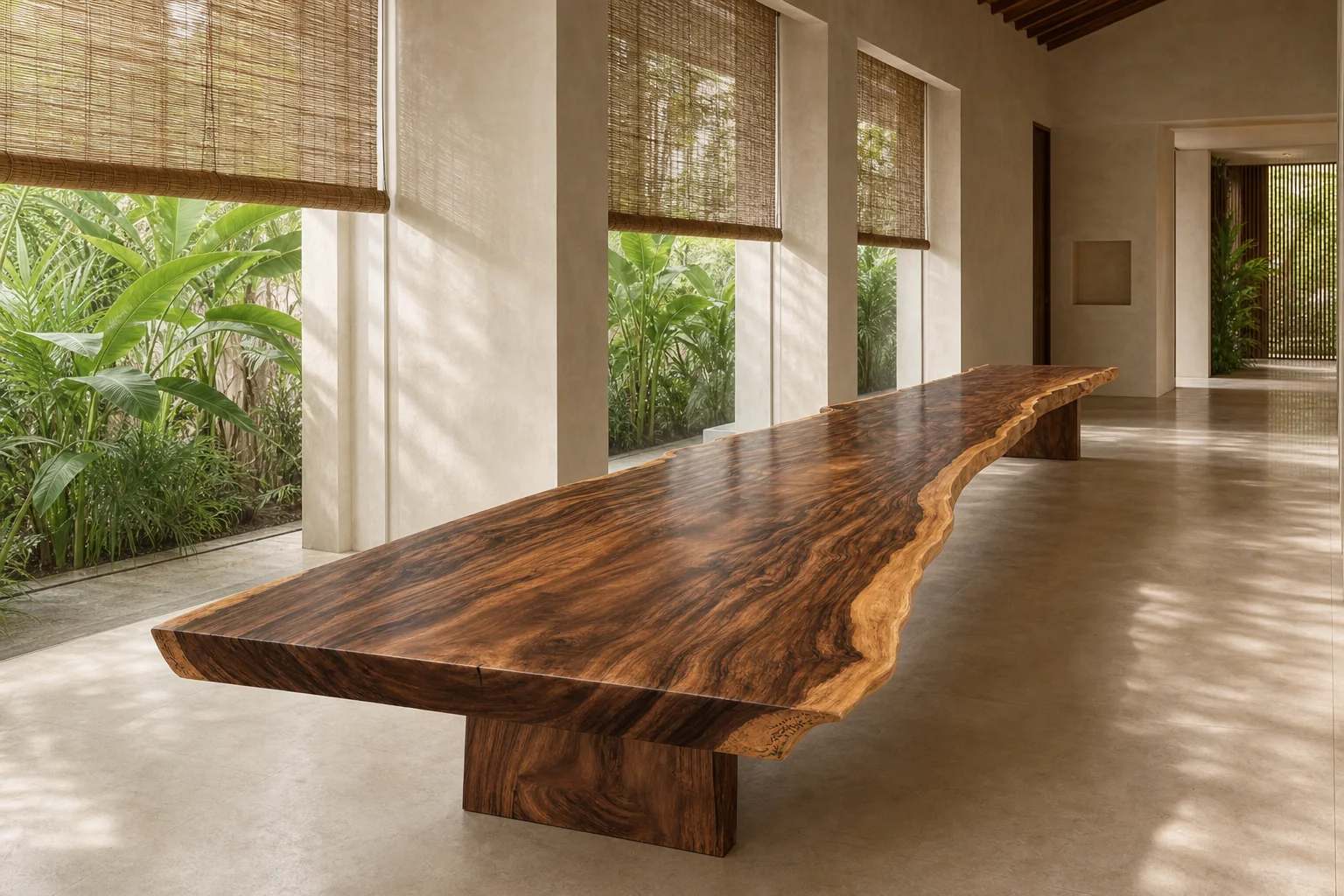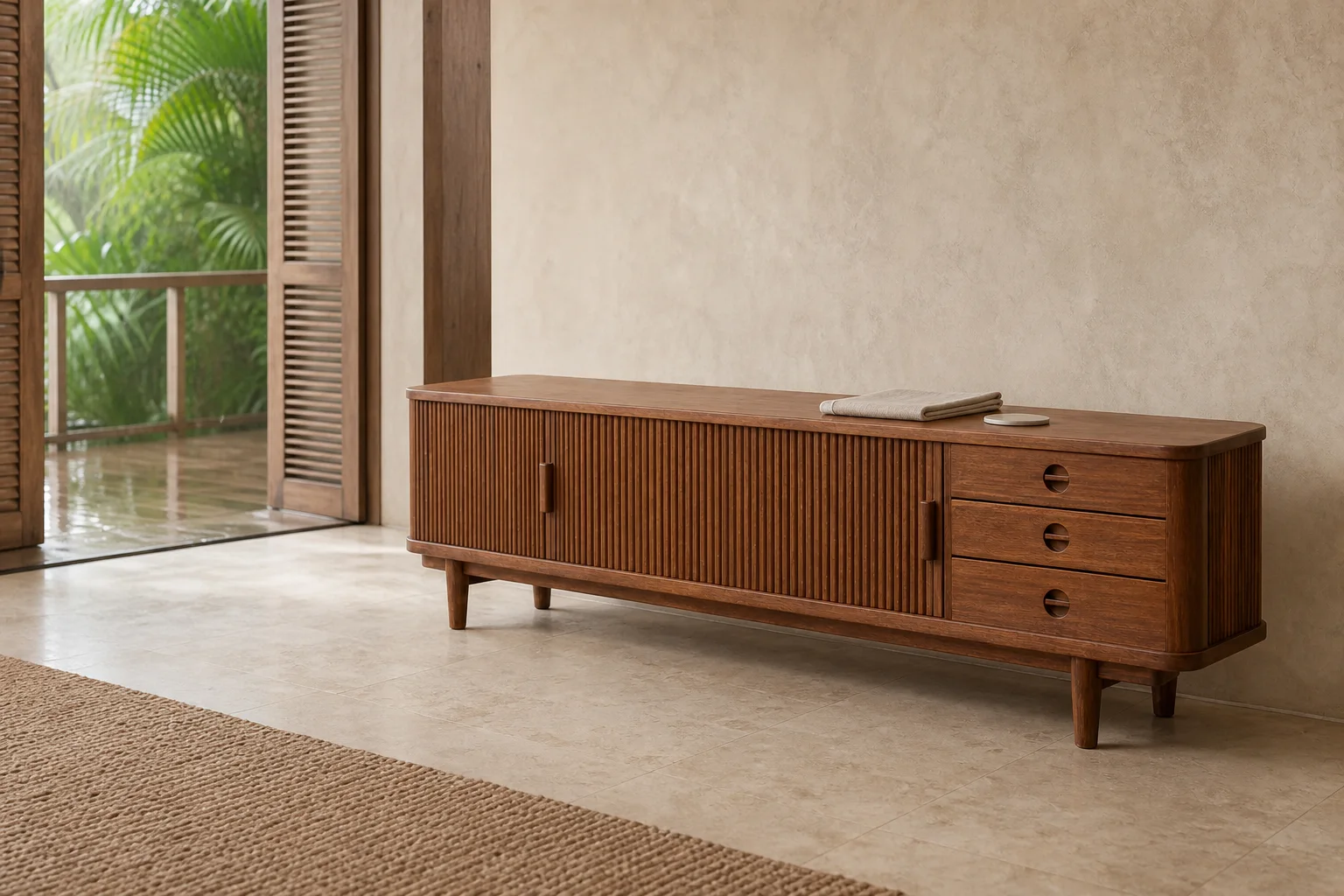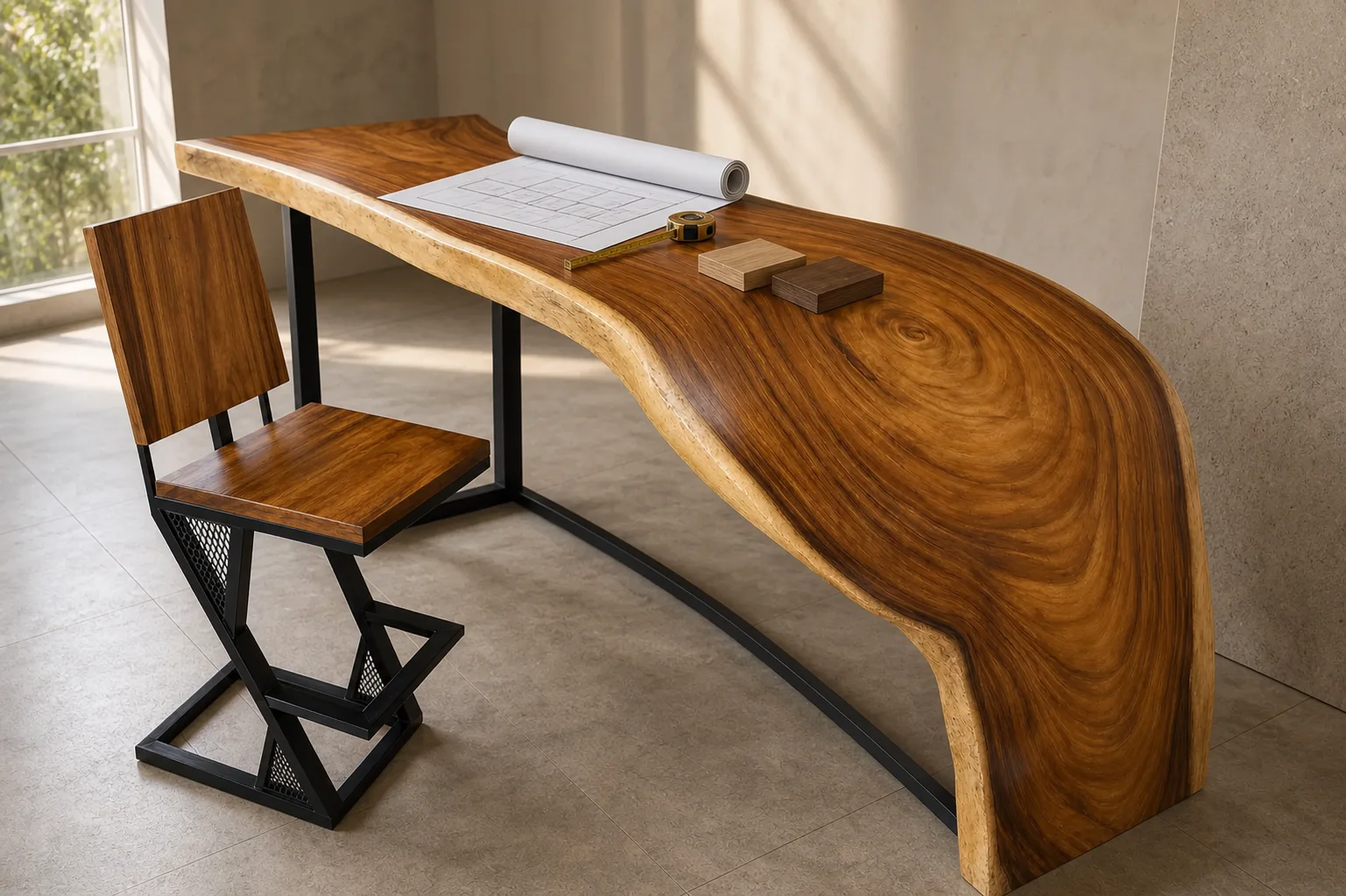
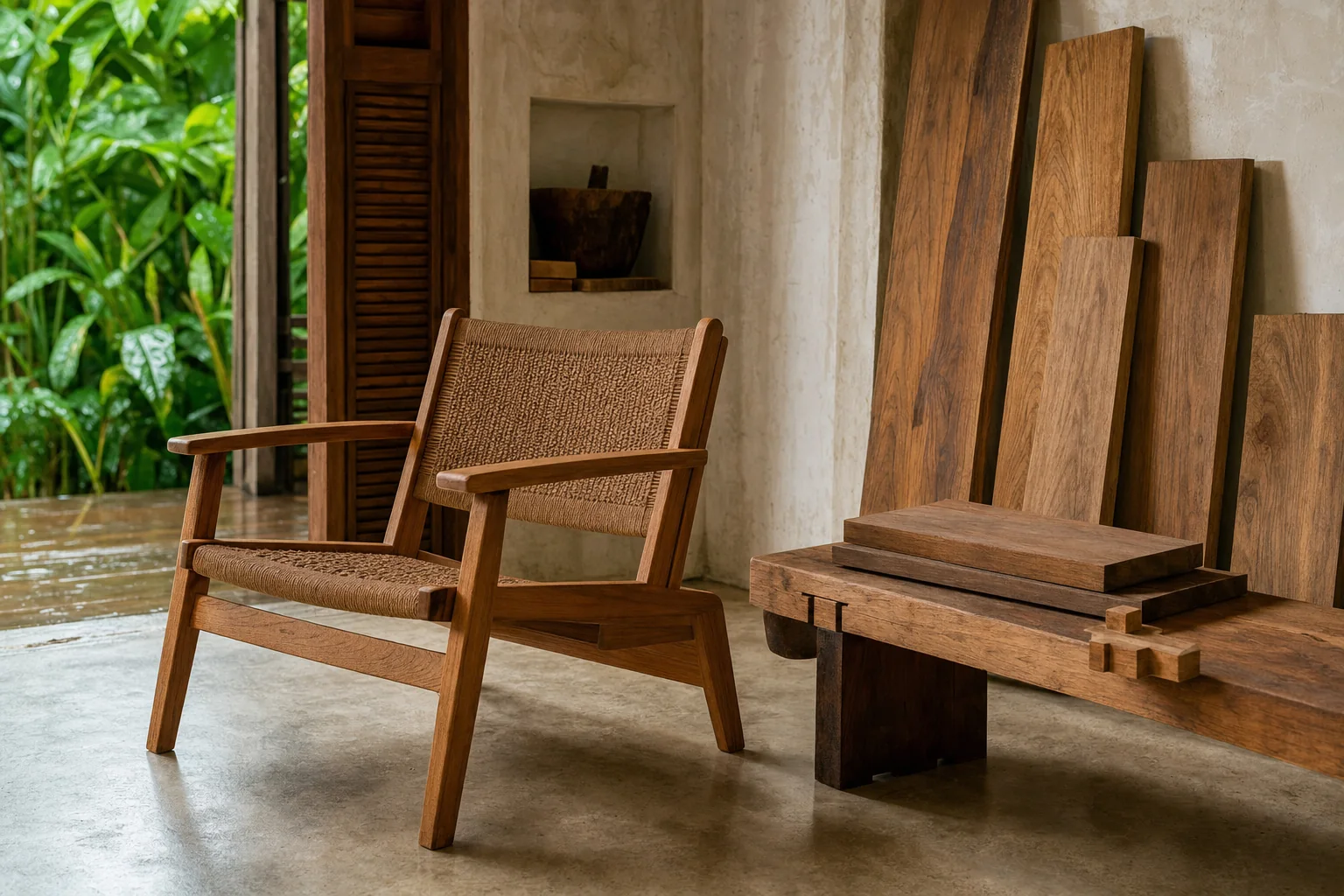
How can you identify authentic Thai teak furniture?
Begin by separating three claims: the wood species, the timber’s origin and the place of manufacture. True teak is Tectona grandis, but furniture made in Thailand may use imported teak, and Thai-grown teak may be manufactured elsewhere. Colour, scent, weight and grain are useful observations, not proof. Ask whether the piece is solid teak, veneer or mixed construction. Inspect end grain, undersides, drawer interiors and joinery transitions for changes in material. Request records that support the timber source, legal purchase, transport, reclaimed status or certification claimed for that exact piece. Then assess the furniture itself: stable joints, suitable support, controlled moisture, a clearly described finish and construction appropriate for the destination climate. Keep the written material description, source statement, measured photographs, invoice and care guidance together. Authenticity is strongest when the species, origin, workshop, documents and physical construction tell the same verifiable story.
1. Separate species, origin and place of manufacture
True teak is the species Tectona grandis. The phrase Thai teak may refer to teak grown in Thailand, a piece manufactured by Thai craftspeople, or both. Furniture made in Thailand can use imported teak, and teak grown in Thailand can be shaped into furniture elsewhere. Ask each question separately.
A precise description is more useful than a romantic label. Request the species used, the timber form, the source category and the place of manufacture. If the seller uses terms such as plantation teak, reclaimed teak, certified teak or old teak, ask what that term means for this particular piece and which record supports it.
- Botanical species or supplier timber declaration
- Country or region of timber origin
- Plantation, reclaimed or other source category
- Country and workshop of manufacture
- Documents supporting legal purchase and movement
2. Treat appearance as evidence, not proof
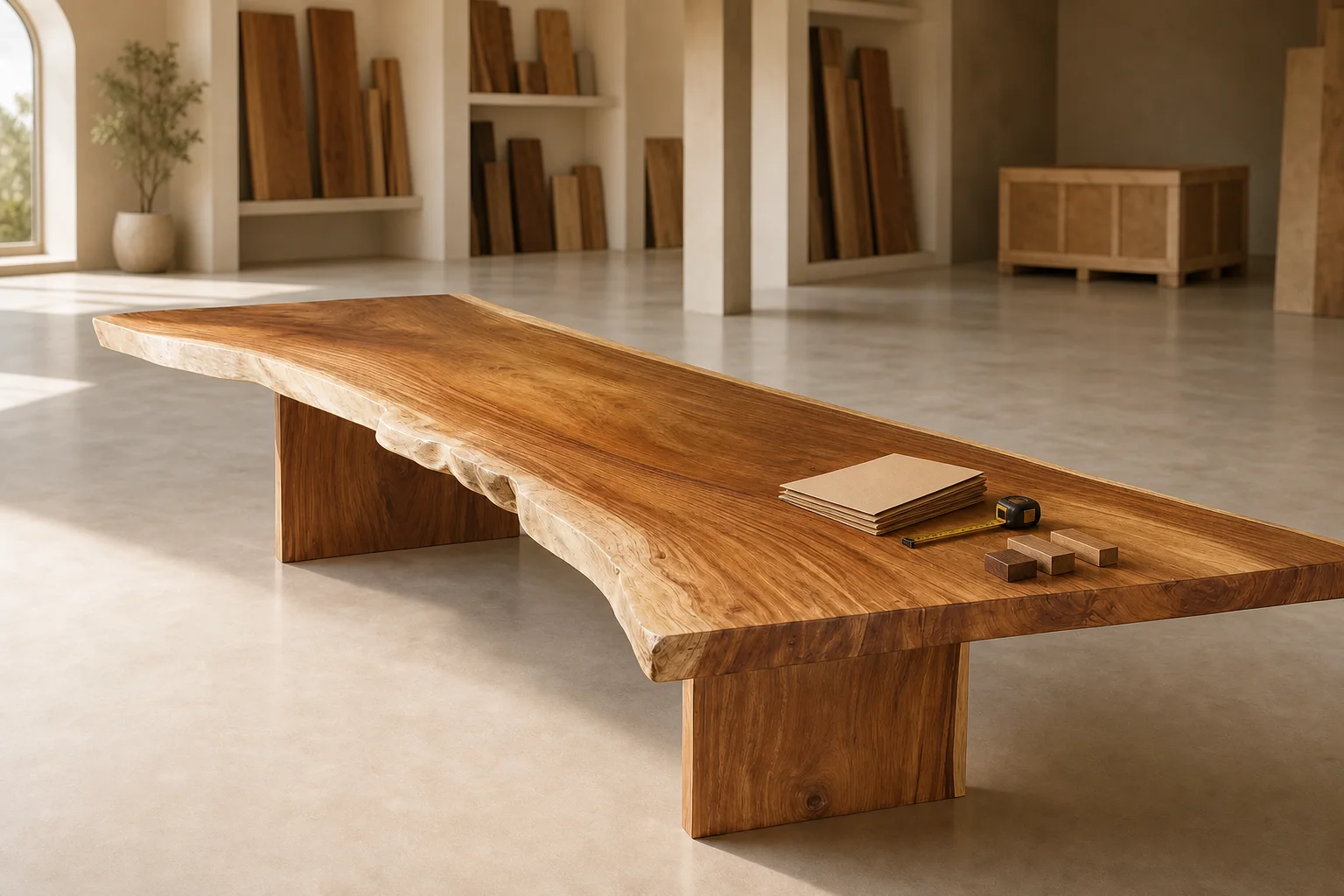
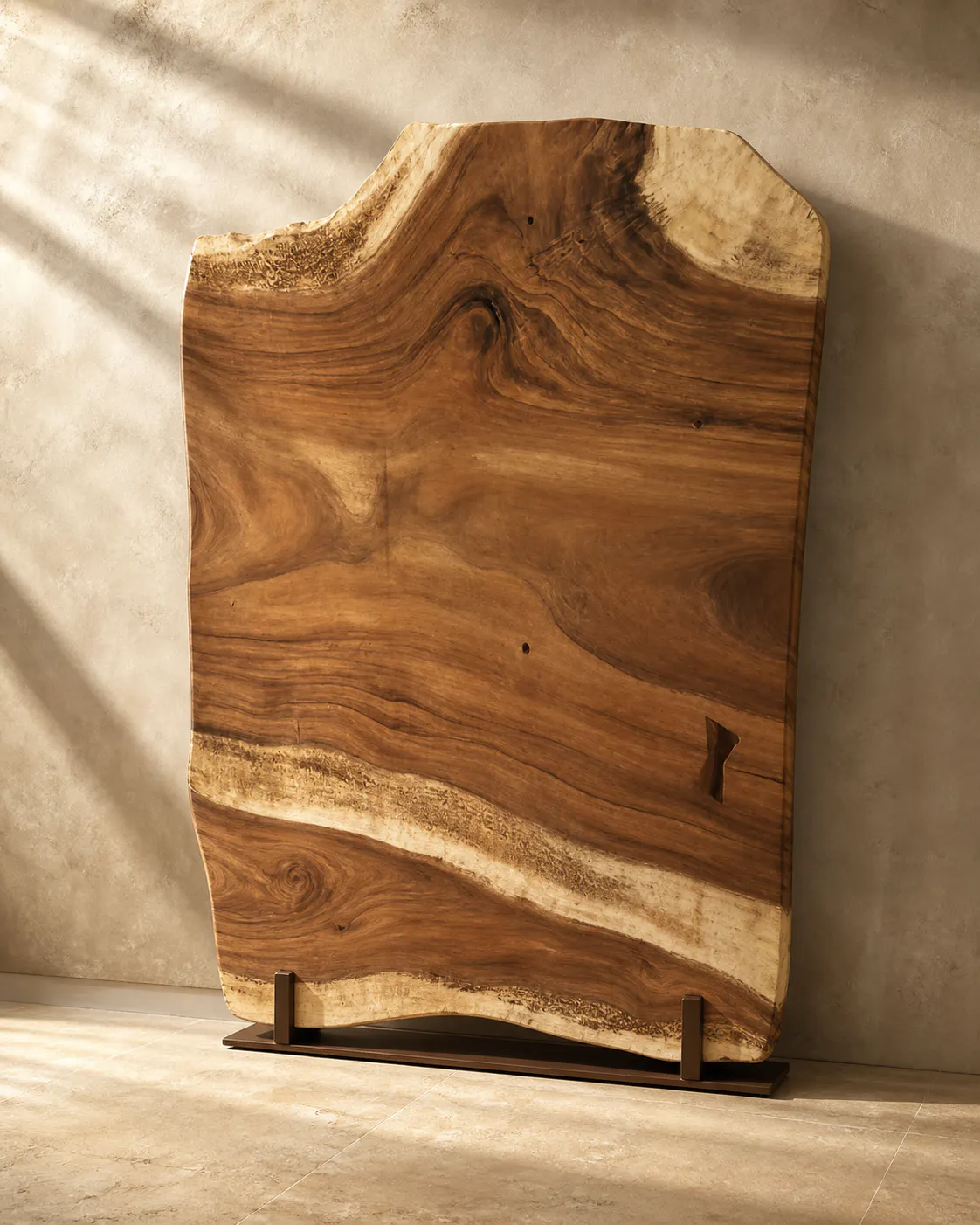
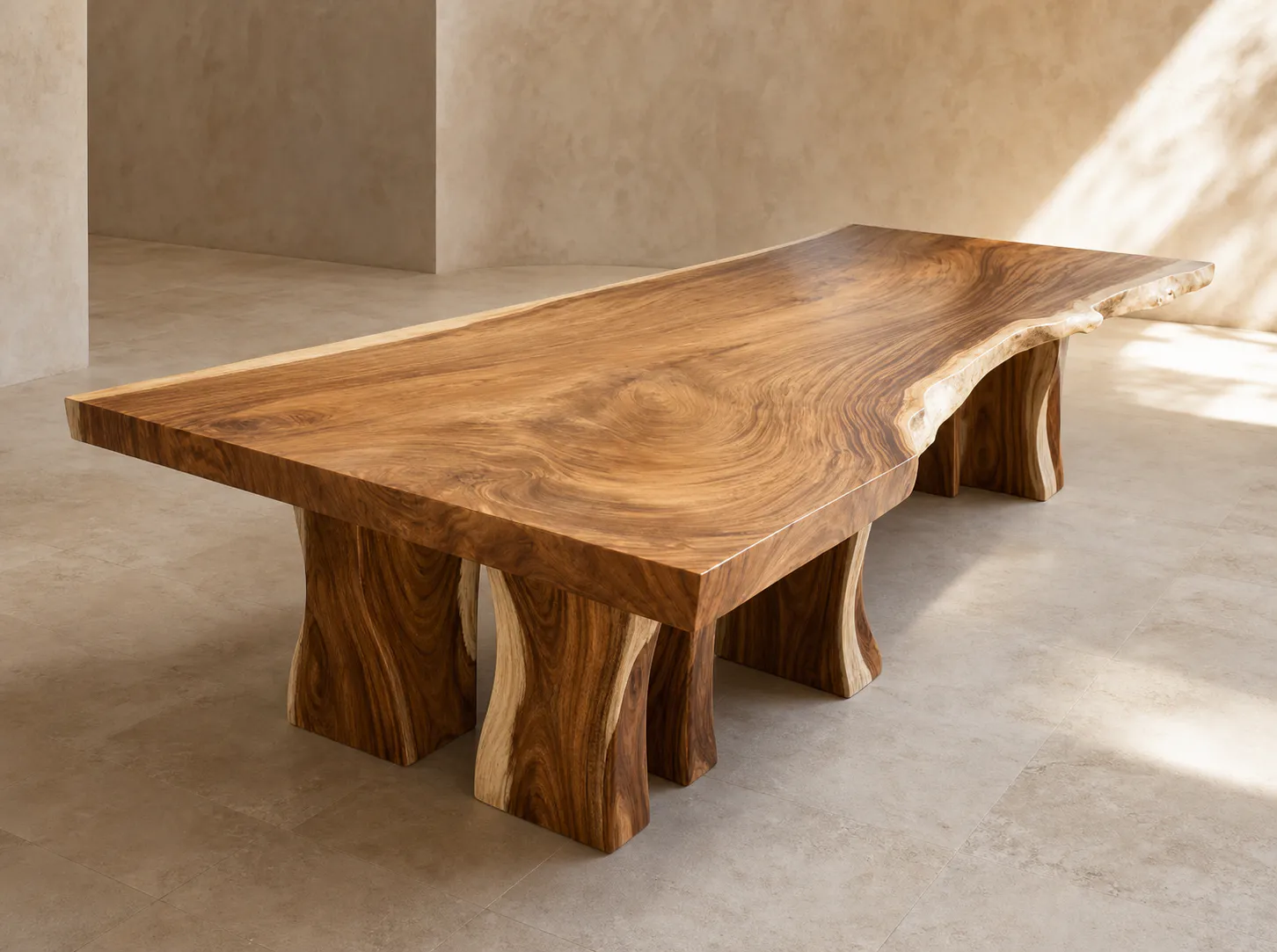
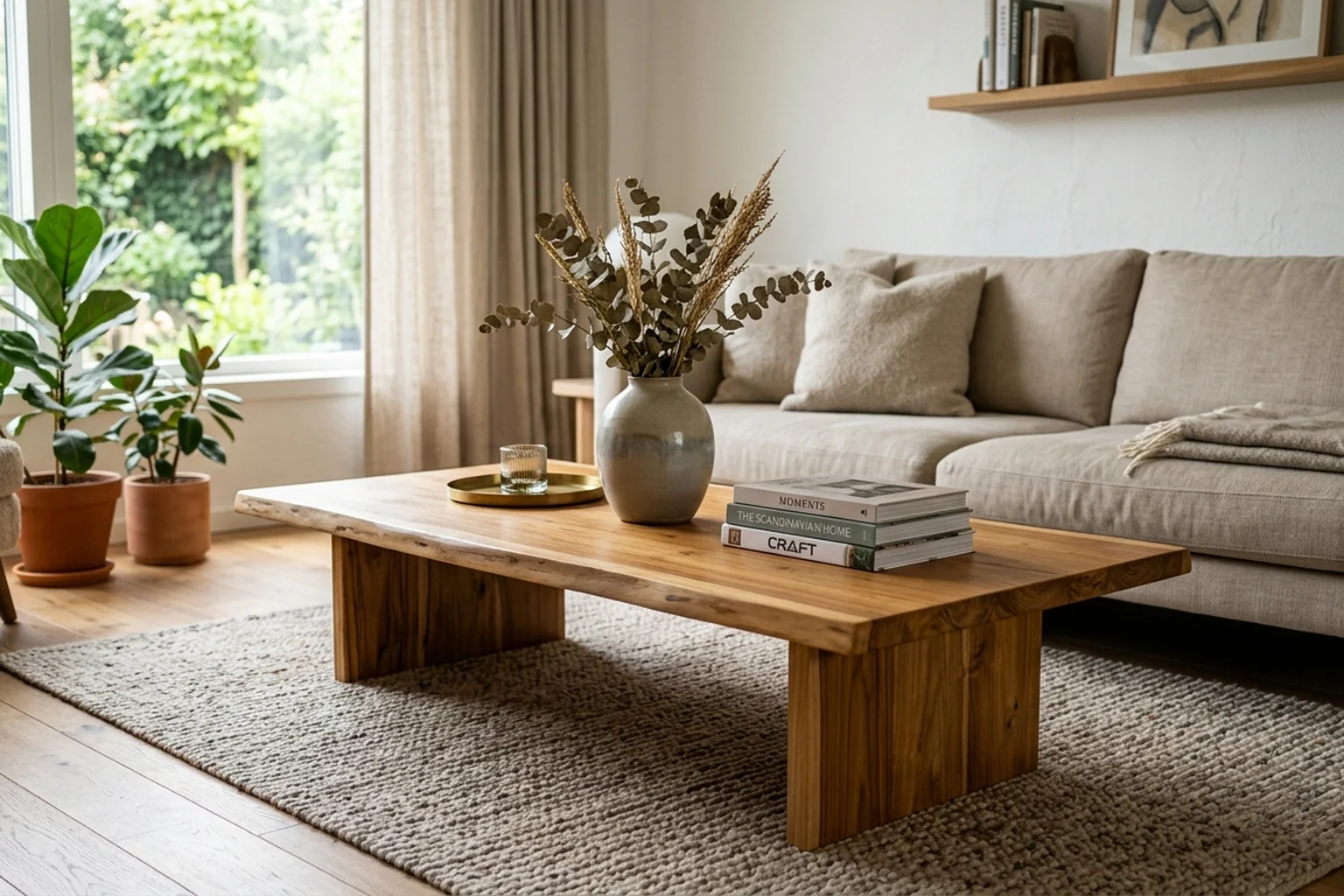
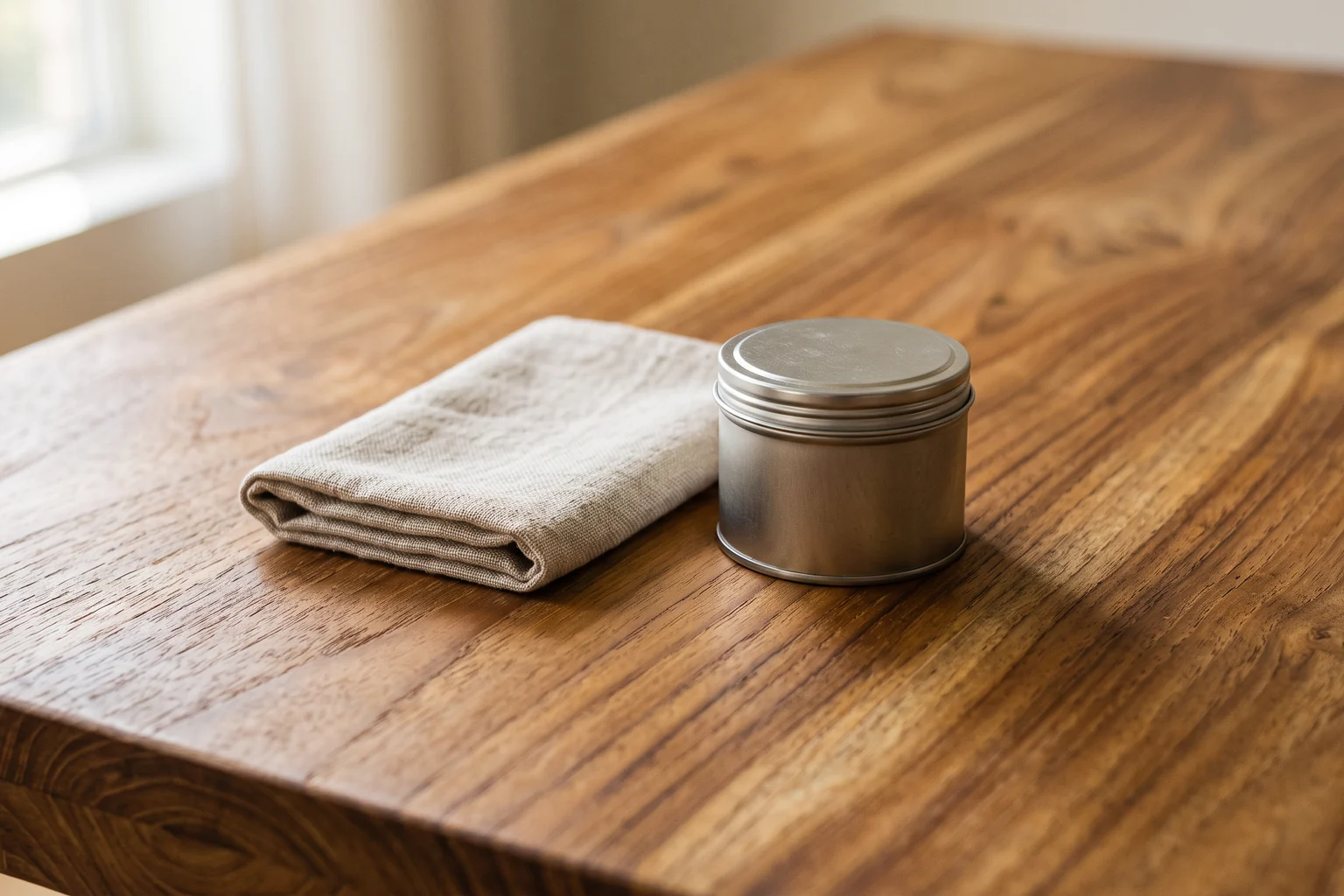
Teak heartwood often shows warm brown tones and can deepen with age, while sapwood is generally paler. Grain may be straight, wavy or locally figured. Natural oils influence its feel and behaviour, but colour varies with tree, cut, exposure, sanding and finish.
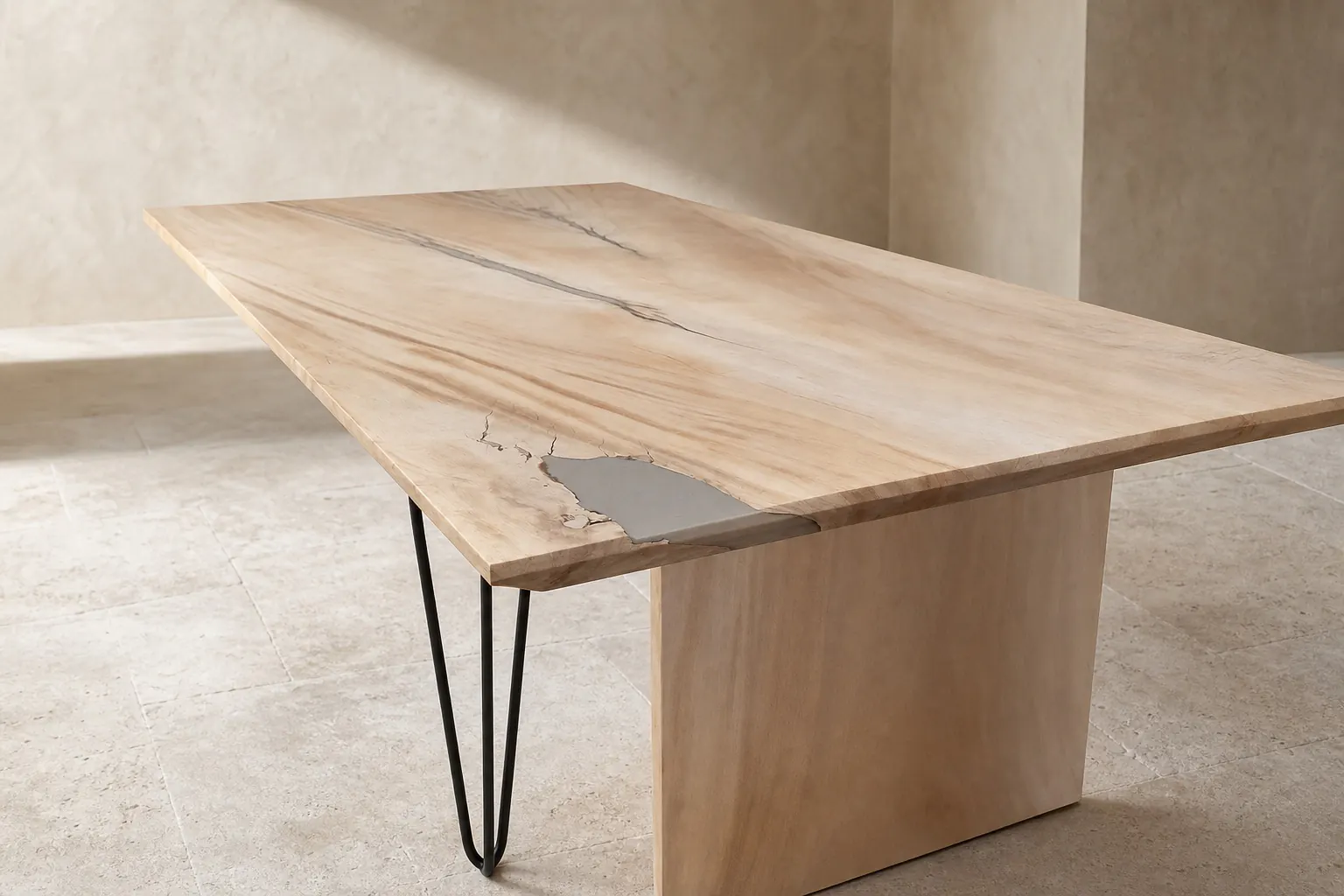
Stains and tinted coatings can make other woods resemble familiar teak colours, while genuine teak can appear unexpectedly pale or dark. Photographs also shift colour. Examine the piece in neutral light and compare several surfaces, but do not use colour, scent or weight as a standalone identity test.
3. Confirm what “solid teak” describes
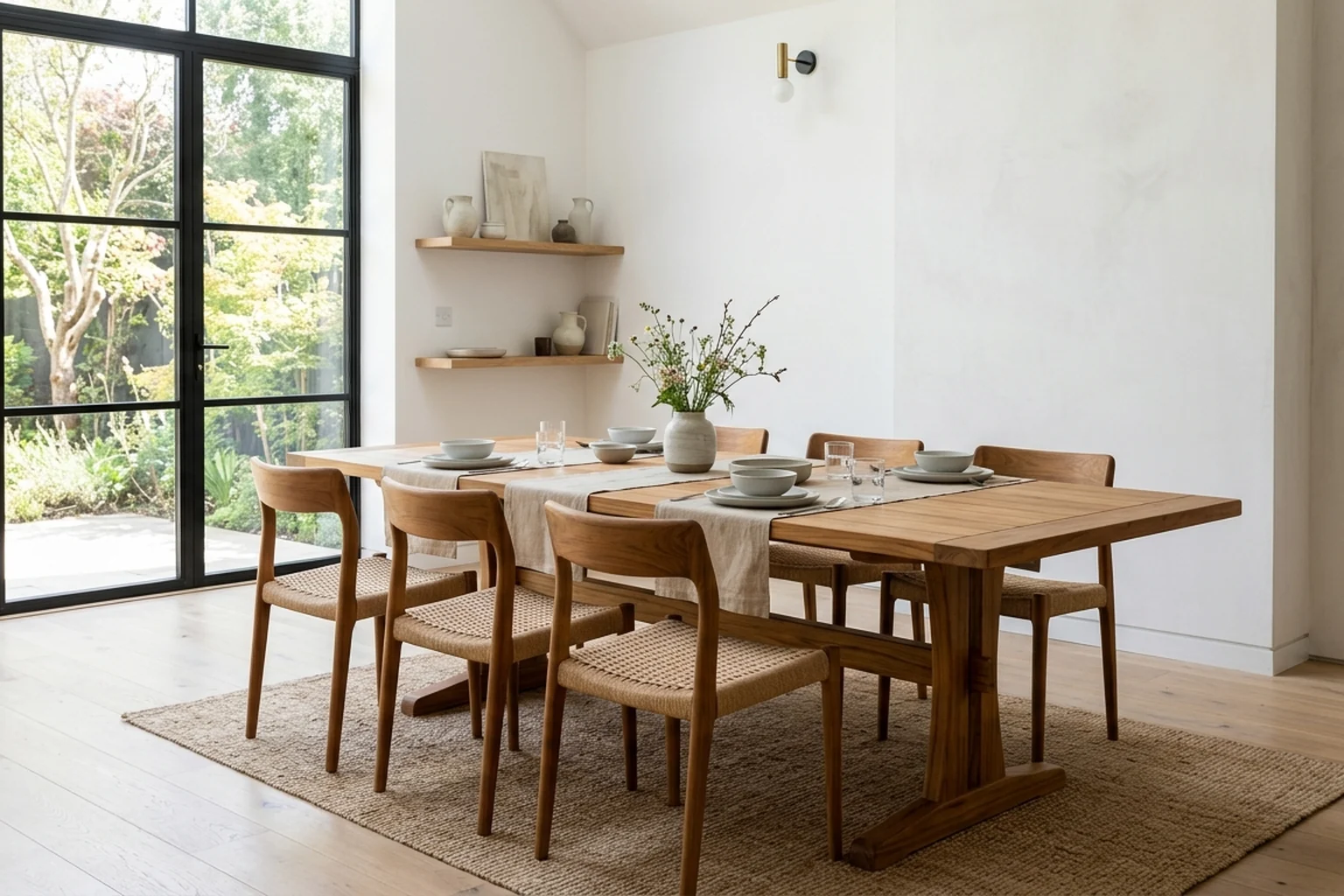
Solid teak, teak veneer and furniture with selected teak components are different constructions, each with legitimate uses when clearly described. Ask whether the term applies to the whole piece or only to visible faces, frames, doors or tops. Engineered panels may provide stability in appropriate locations, but they should not be presented as solid timber.
Inspect end grain at board ends, the underside, drawer interiors, back edges and joinery transitions. Repeated grain across separate faces, a thin layer at an edge or a different substrate in a concealed area can indicate veneer or mixed construction. A careful maker should be able to explain why each material was chosen.
4. Read the construction as carefully as the grain
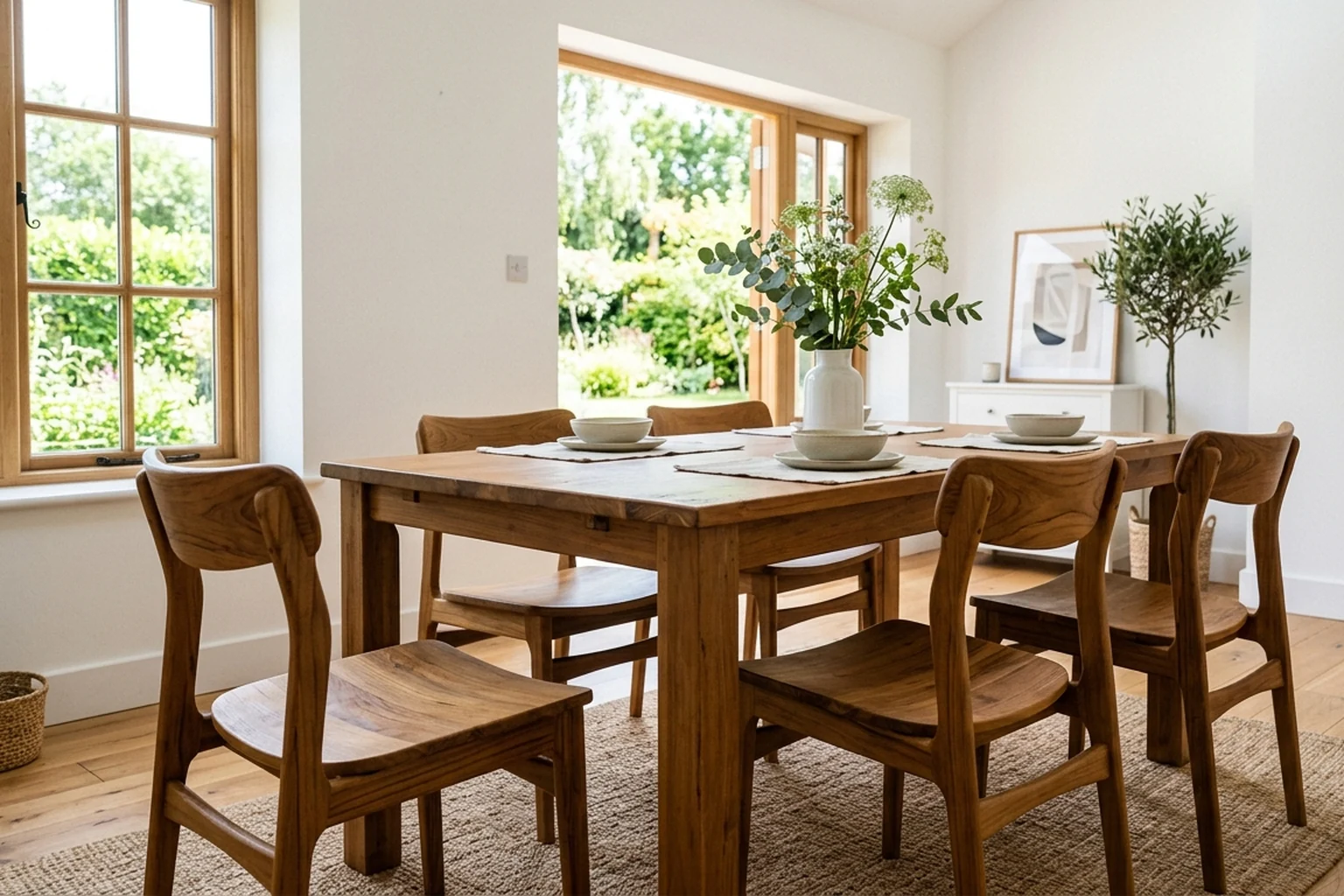
Good teak furniture depends on selection, drying, joinery and proportion—not the species name alone. Look for stable joints, consistent door and drawer gaps, appropriate support for long spans and room for solid wood to move with seasonal humidity. Large boards are not automatically better if moisture condition and structure are poorly managed.
Handmade character should not be confused with instability. Small variations and tool marks can show the maker’s process, while rocking bases, opening joints, loose components or uncontrolled splits need explanation. Ask what was kiln-dried or air-dried, how moisture was assessed and how the design responds to the destination climate.
5. Ask for traceable and legal sourcing
Thailand has public and private teak plantations, and the Forest Industry Organization manages extensive economic forest plantations. Timber rules and export requirements depend on source, form and transaction. Responsible sourcing is therefore a chain of records, not a visual judgment made after the furniture is finished.
Ask the seller to retain purchase records and any source, transport, plantation, reclaimed-material or certification documents relevant to the timber. Certification claims should identify the scheme, scope and certificate holder so they can be checked. For an international order, confirm destination due-diligence and import requirements with a qualified adviser before purchase.
6. Understand what reclaimed teak does—and does not—promise
Reclaimed teak may come from a previous building, structure or piece of furniture. It can carry beautiful colour, old joinery marks and a history worth preserving. The word reclaimed, however, does not by itself prove species, age, legal origin or fitness for a new structural use.
Ask where the material came from, how it was acquired and which old marks will remain. Check for embedded metal, hidden weakness, insect damage and incompatible previous coatings. Reclaimed boards may need careful selection and repair; those interventions should be part of the design conversation rather than concealed.
7. Match teak’s qualities to the intended setting
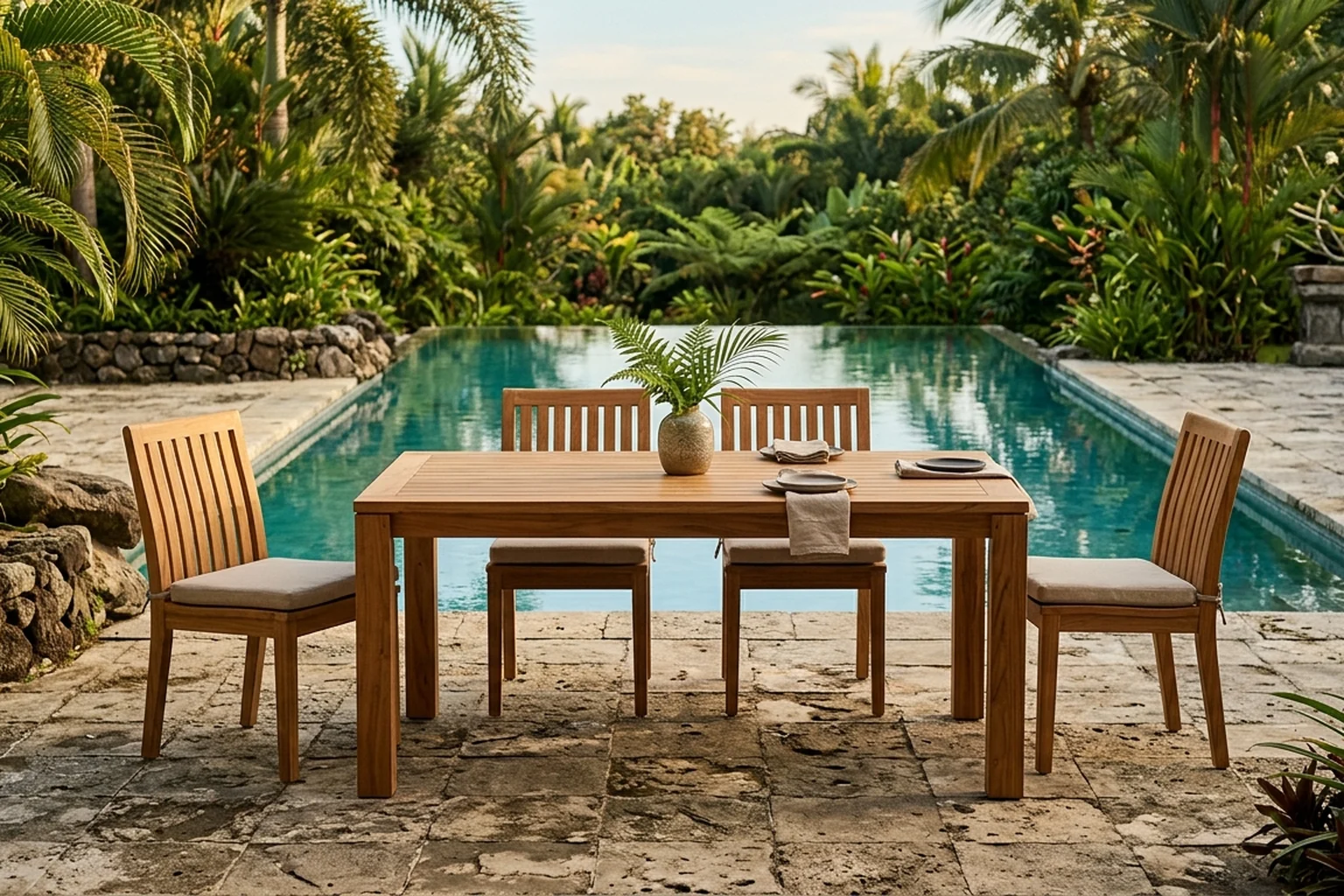
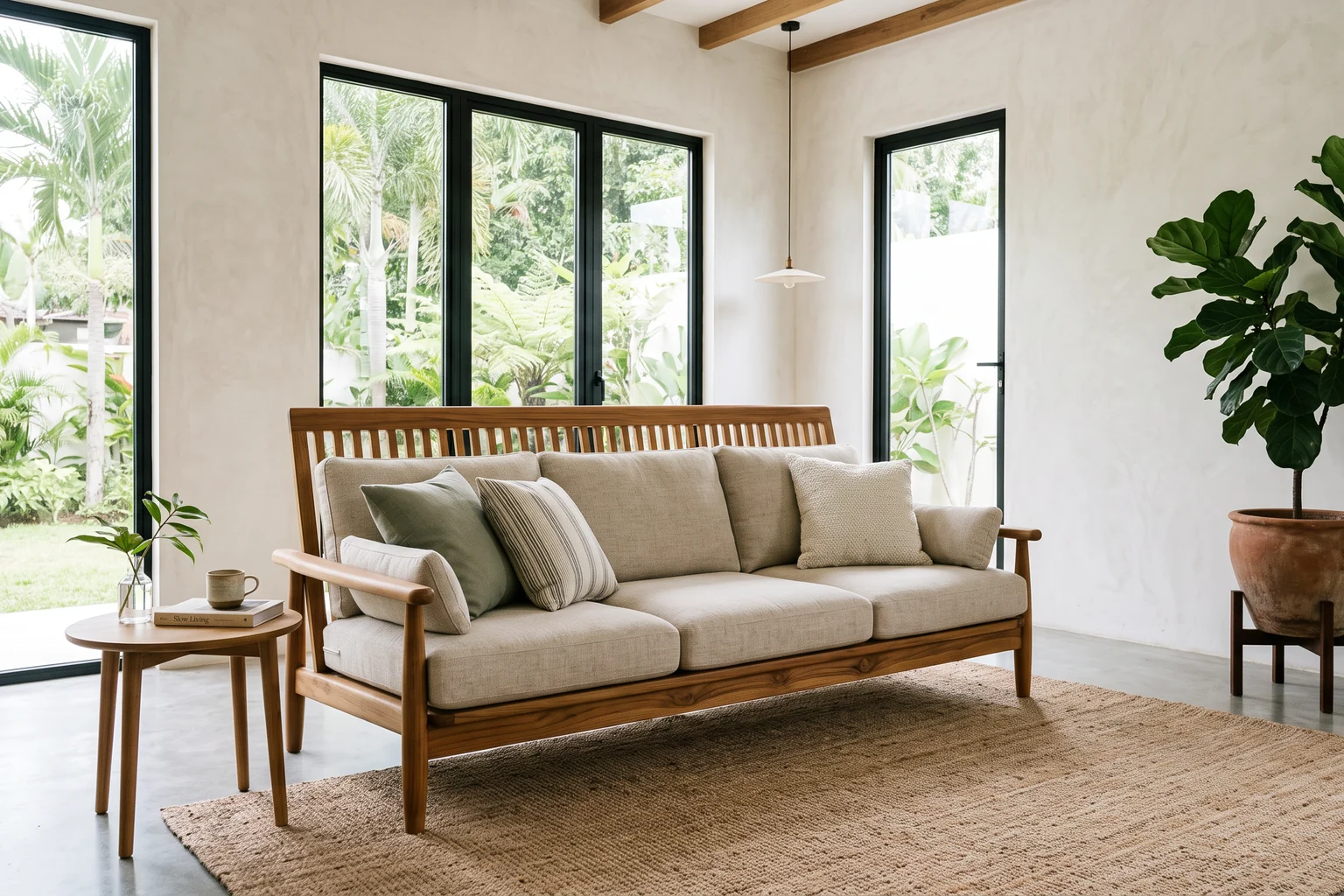
Teak is valued for dimensional stability, workability and natural durability, but no piece is maintenance-free. Construction quality, heartwood content, finish, drainage, sun, moisture and everyday care all affect performance. Indoor and outdoor uses need different specifications.
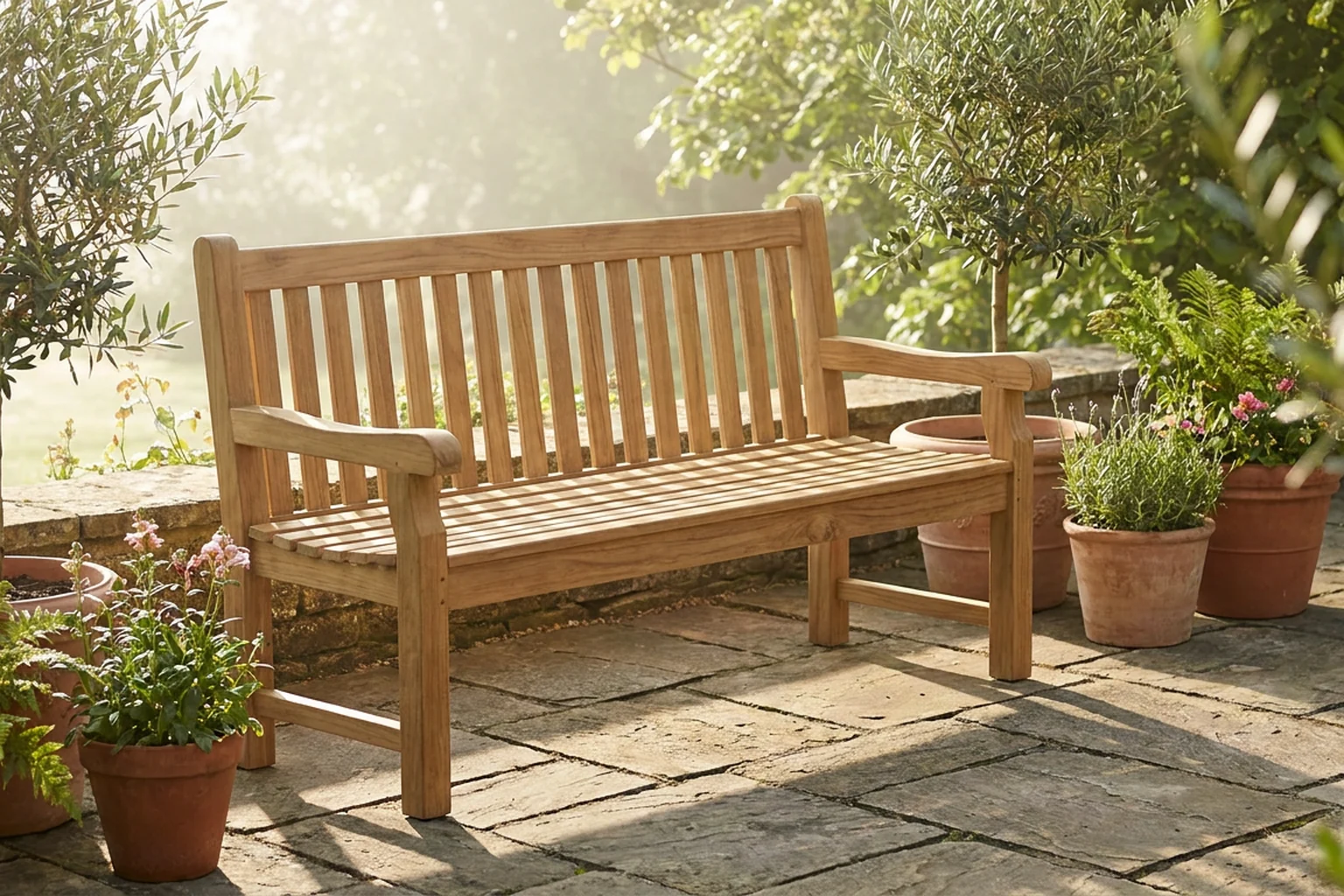
For an outdoor piece, ask how water drains, which fasteners are used and how the surface will weather. For an interior piece, discuss finish, cleaning, air-conditioning, direct sun and local humidity. A responsible seller should describe expected change as clearly as the new appearance.
8. Build a verification record for the exact piece
Before ordering, request measured photographs, a material and construction description, finish sample or reference, source statement, price and care guidance. One-of-one pieces should be identified individually. Made-to-order work should state where natural variation is expected and what the buyer will approve.
Keep those details with the invoice and photographs of the delivered piece. Authenticity is strongest when the name, material, workshop, records and physical construction tell the same story—not when a single label is asked to carry every claim.
Frequently asked questions
Can colour prove that furniture is genuine teak?
No. Genuine teak varies naturally, and sanding, ageing, light, photography and finish all change its appearance. Other woods can also be stained to resemble familiar teak colours, so colour should only be one observation.
Does “made in Thailand” mean the teak was grown in Thailand?
No. Place of manufacture and timber origin are separate facts. Furniture made by Thai craftspeople can use imported teak, while teak grown in Thailand can be manufactured elsewhere.
What records should a responsible buyer request?
Ask for the species or material declaration and the purchase, source, transport, plantation, reclaimed-material or certification records applicable to the exact timber. International buyers should also confirm destination due-diligence and import requirements.
Sources and verification
We use primary sources to review facts that can change. Check the current requirements for the exact order and destination.
Buy the story you can verify
Authentic Thai teak furniture is more than a colour or marketing phrase. It brings together the correct species, an honestly described origin, lawful sourcing, thoughtful Thai craftsmanship and construction suited to its use. Ask precise questions and welcome natural variation, but expect every factual claim to remain traceable.