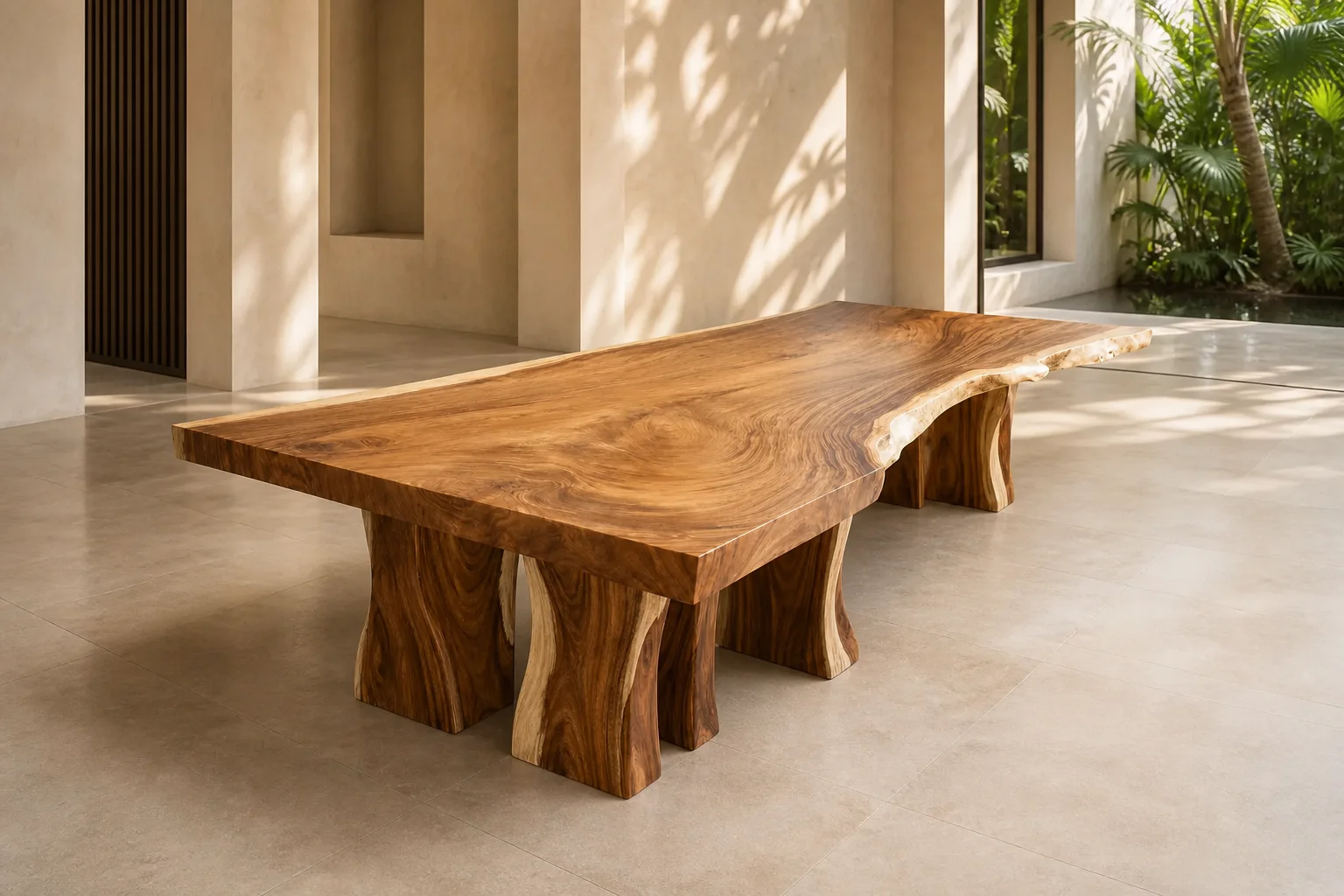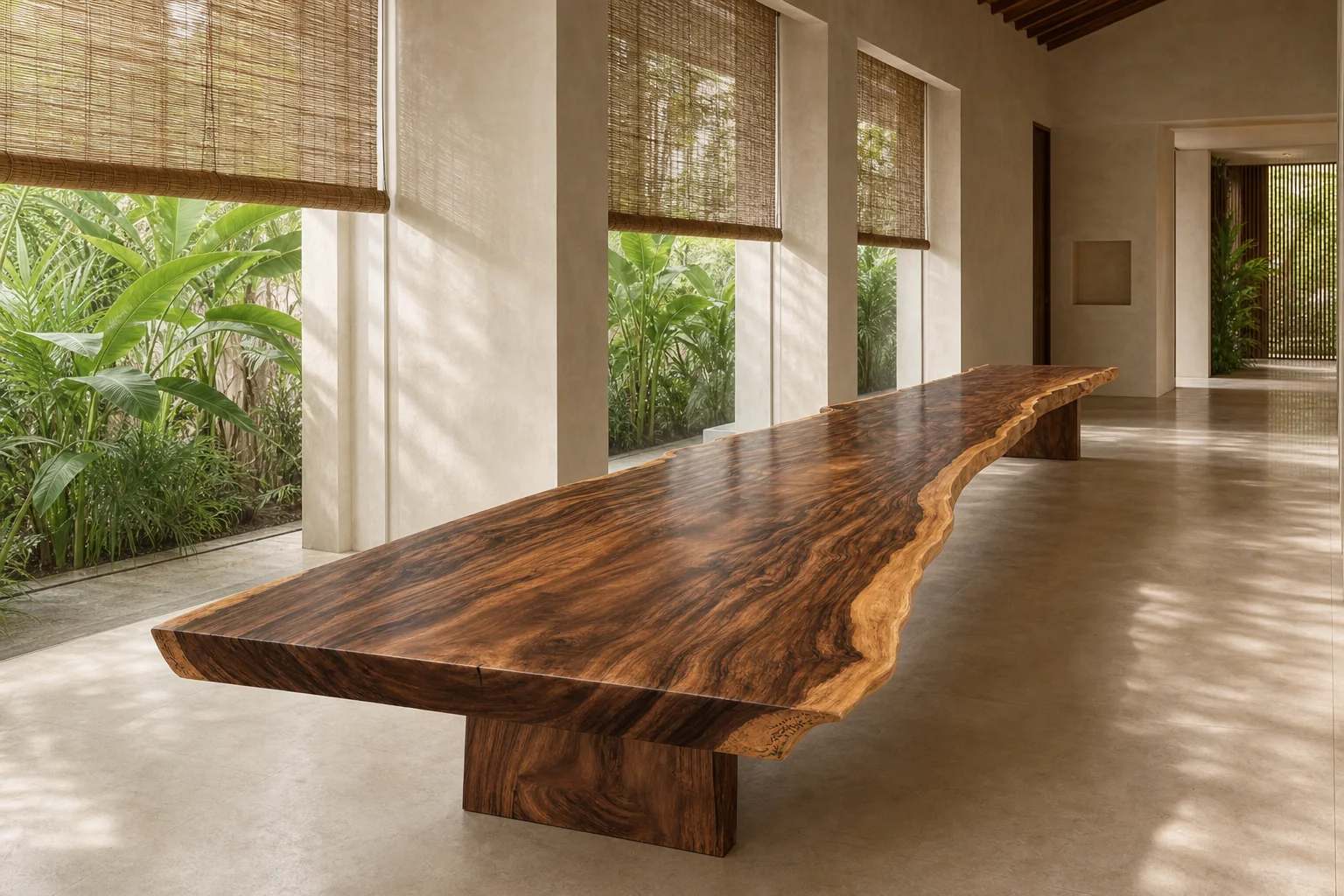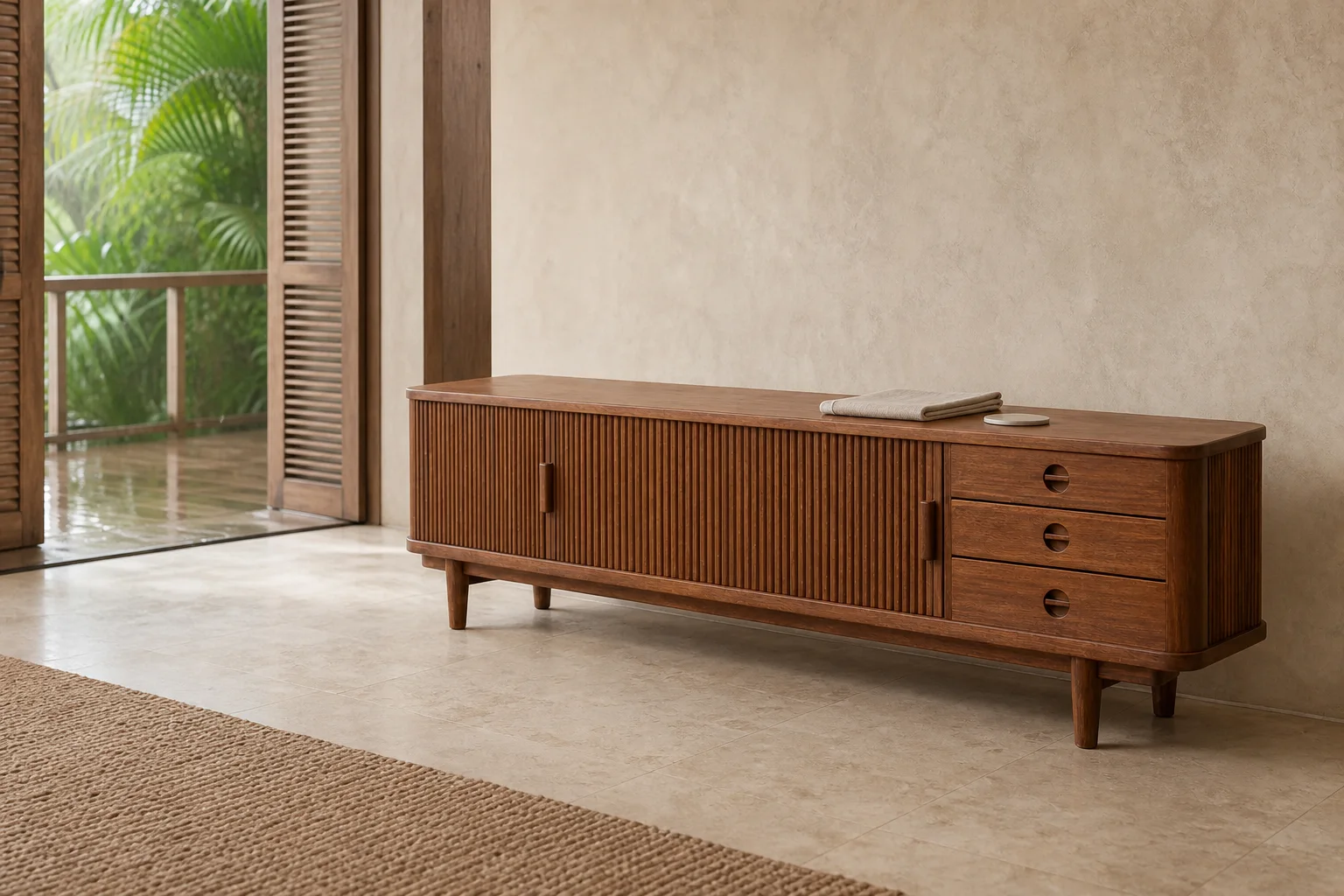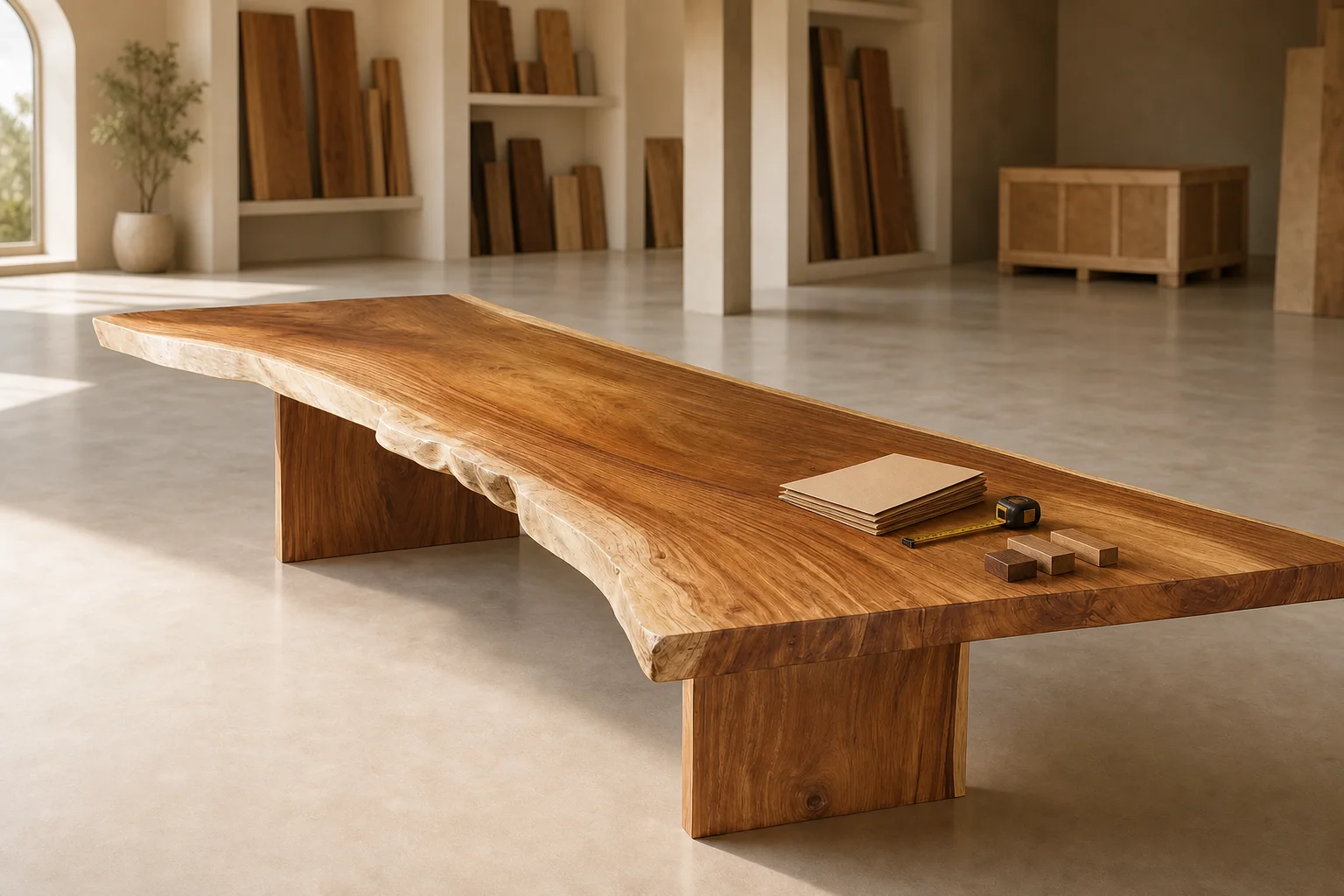
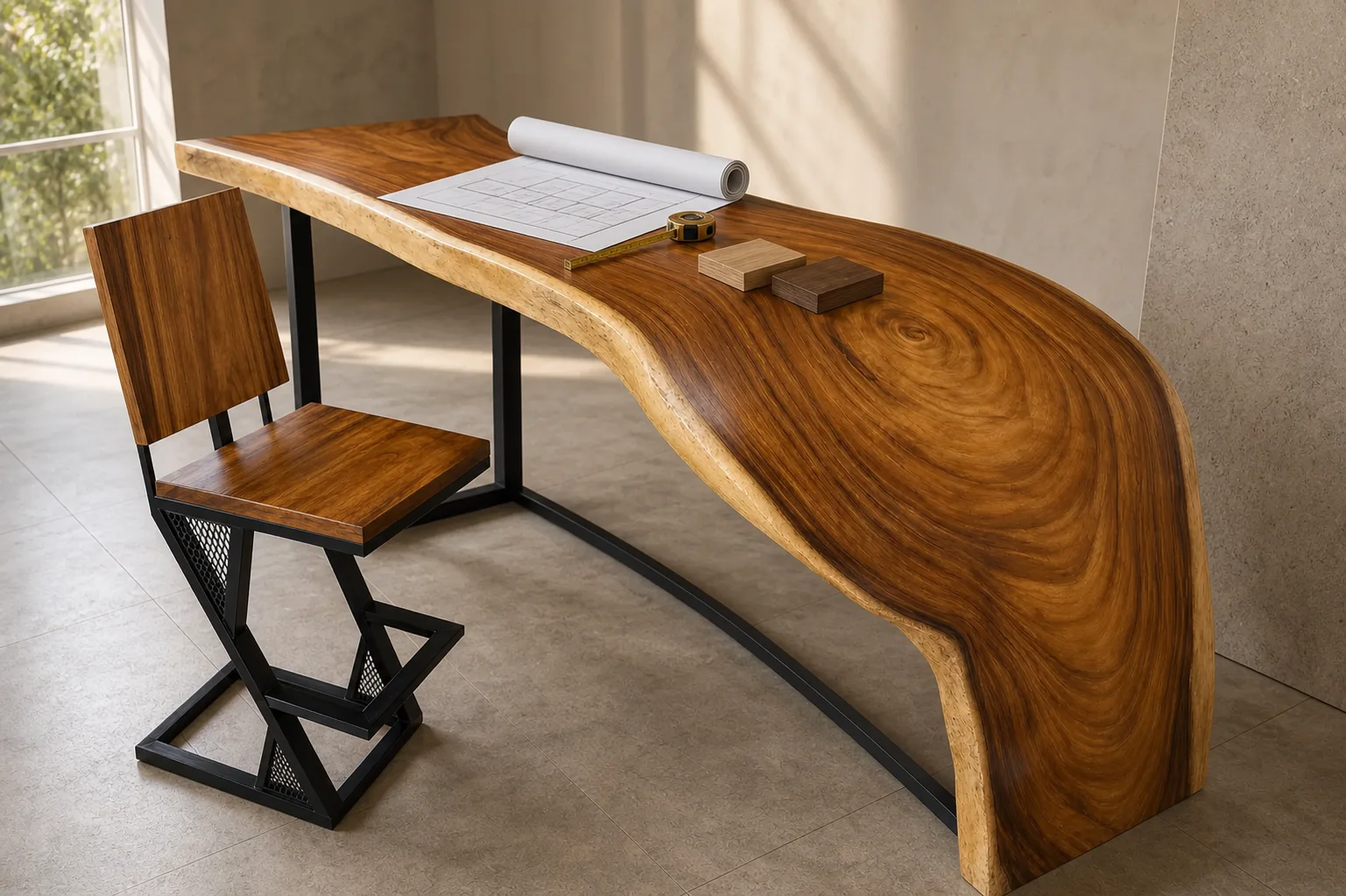
The short answer
Send measured room information, photographs, the intended use, preferred dimensions, material direction, reference images, budget range, destination and target timing. Mark what is essential and what is flexible. Ask the maker to confirm the final specification, price, approval stages and delivery responsibilities before work begins.
1. Show the room, not only the furniture
Start with a simple plan or measured sketch. Include wall lengths, ceiling height where relevant, doors, windows, skirting, power points and fixed cabinetry. Photographs from several corners help the maker understand circulation, light and the visual weight the new piece must carry.
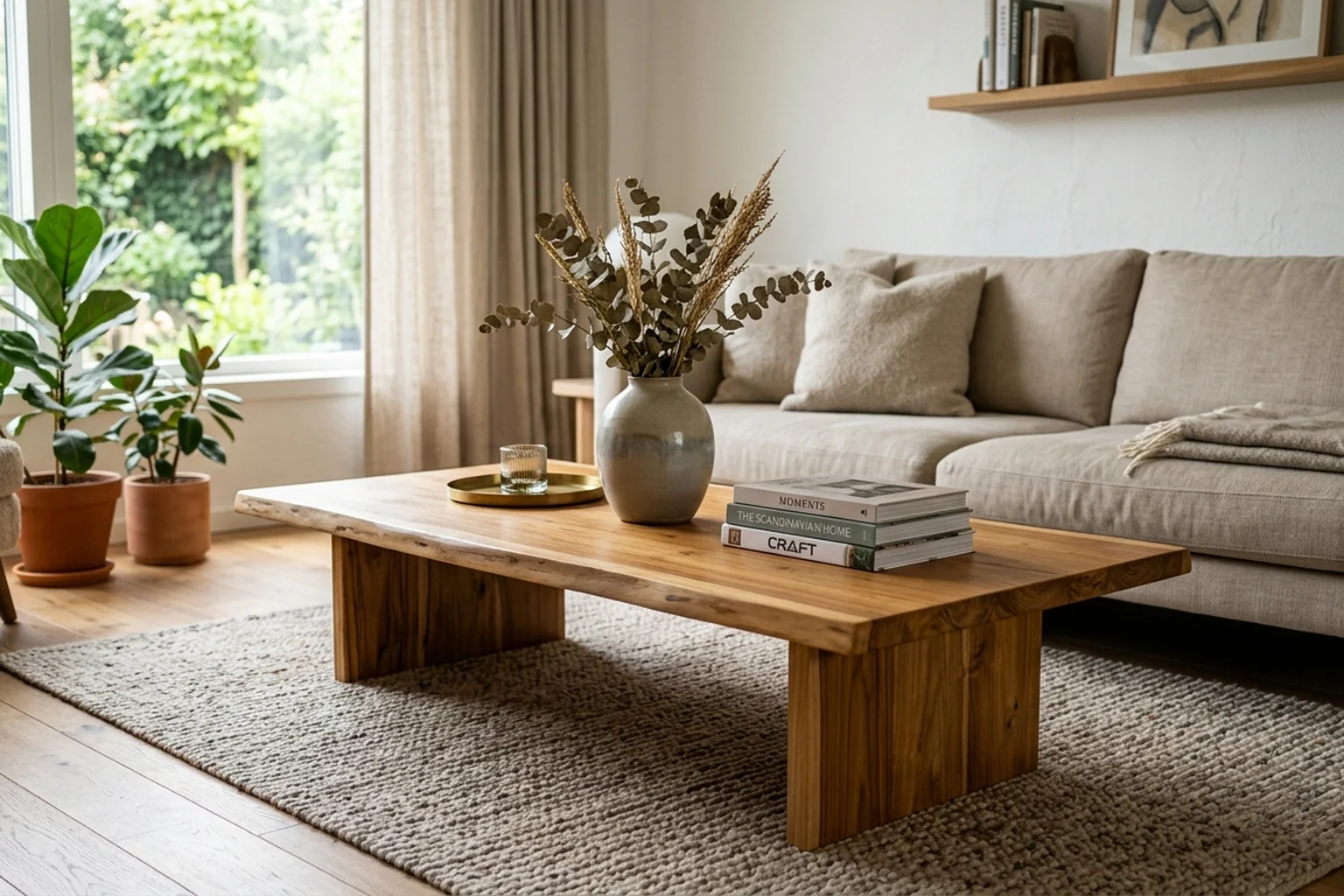
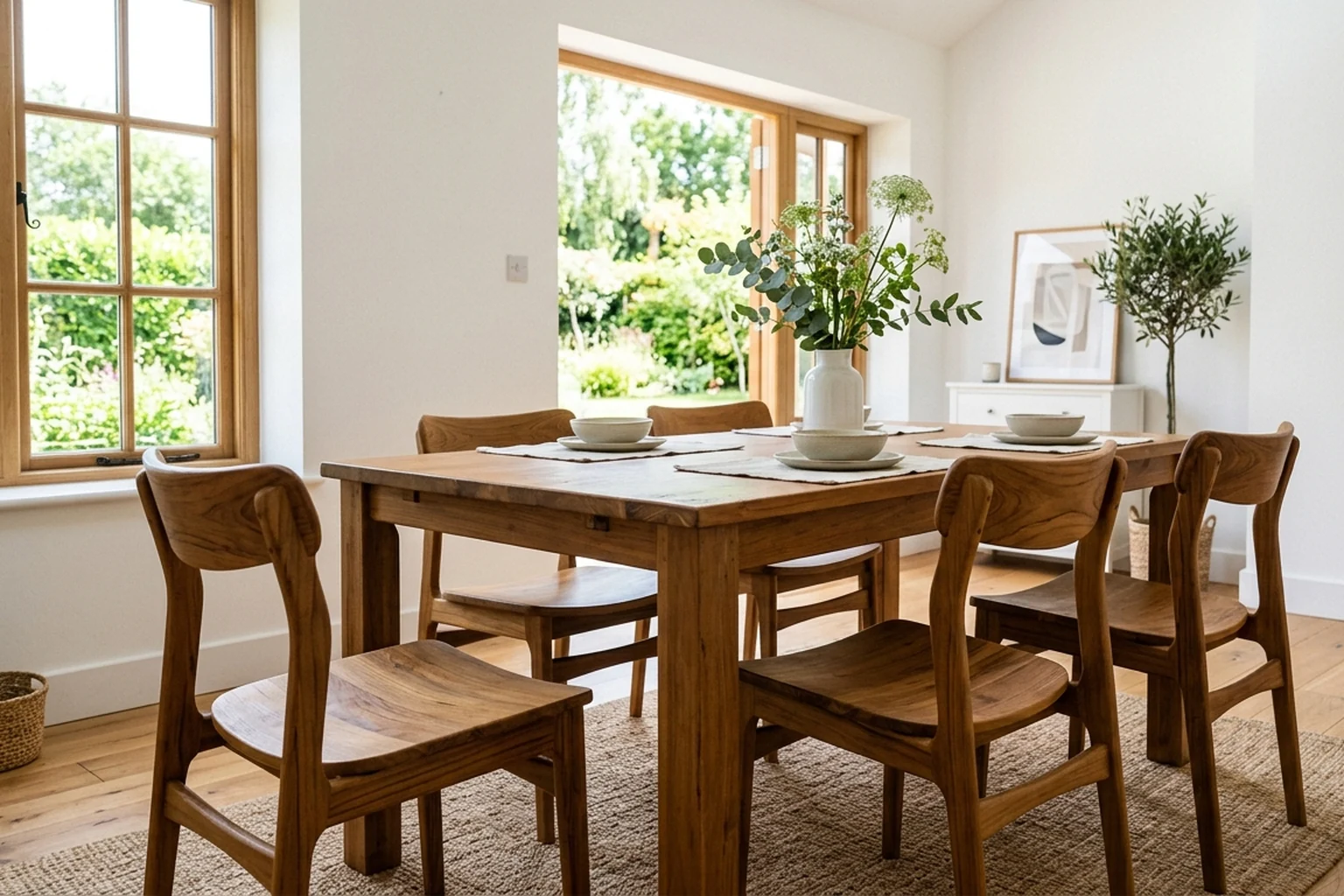
For a table, record chair positions and the space needed to walk behind them. For a cabinet, note door swings and nearby switches. For a counter, identify the working side, customer side and any equipment or services that must fit around it.
- Measured plan or clear hand sketch
- Wide photographs from more than one angle
- Doors, walkways and fixed elements
- Lift, stair and doorway access
- The final position marked in the room
2. Describe what the piece must do
A visual reference explains appearance, but use determines construction. State who will use the piece, how often, what it must hold and whether it will be moved. Mention children, pets, food service, heavy equipment or commercial cleaning when they are relevant.
Explain the everyday scenario rather than relying on words such as strong or practical. A desk for occasional laptop use has different needs from a hotel reception counter. A dining table for four people does not need the same base position as a meeting table with chairs on every side.
3. Separate fixed dimensions from preferences
Some dimensions come from the room and cannot move. Others are preferences that can change when material or structure is considered. Label them accordingly. A fixed overall width may still allow flexibility in drawer sizes, edge shape or base position.
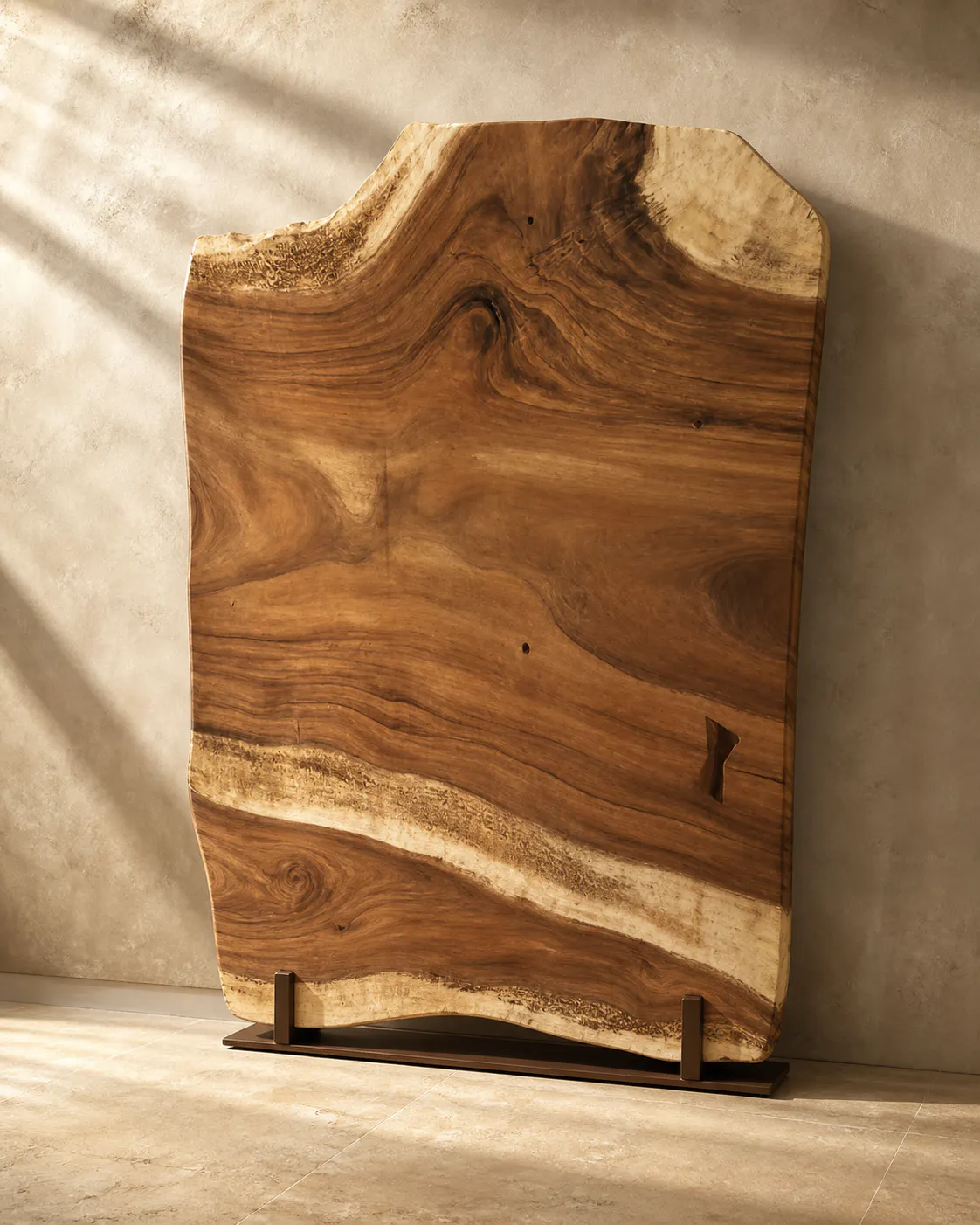
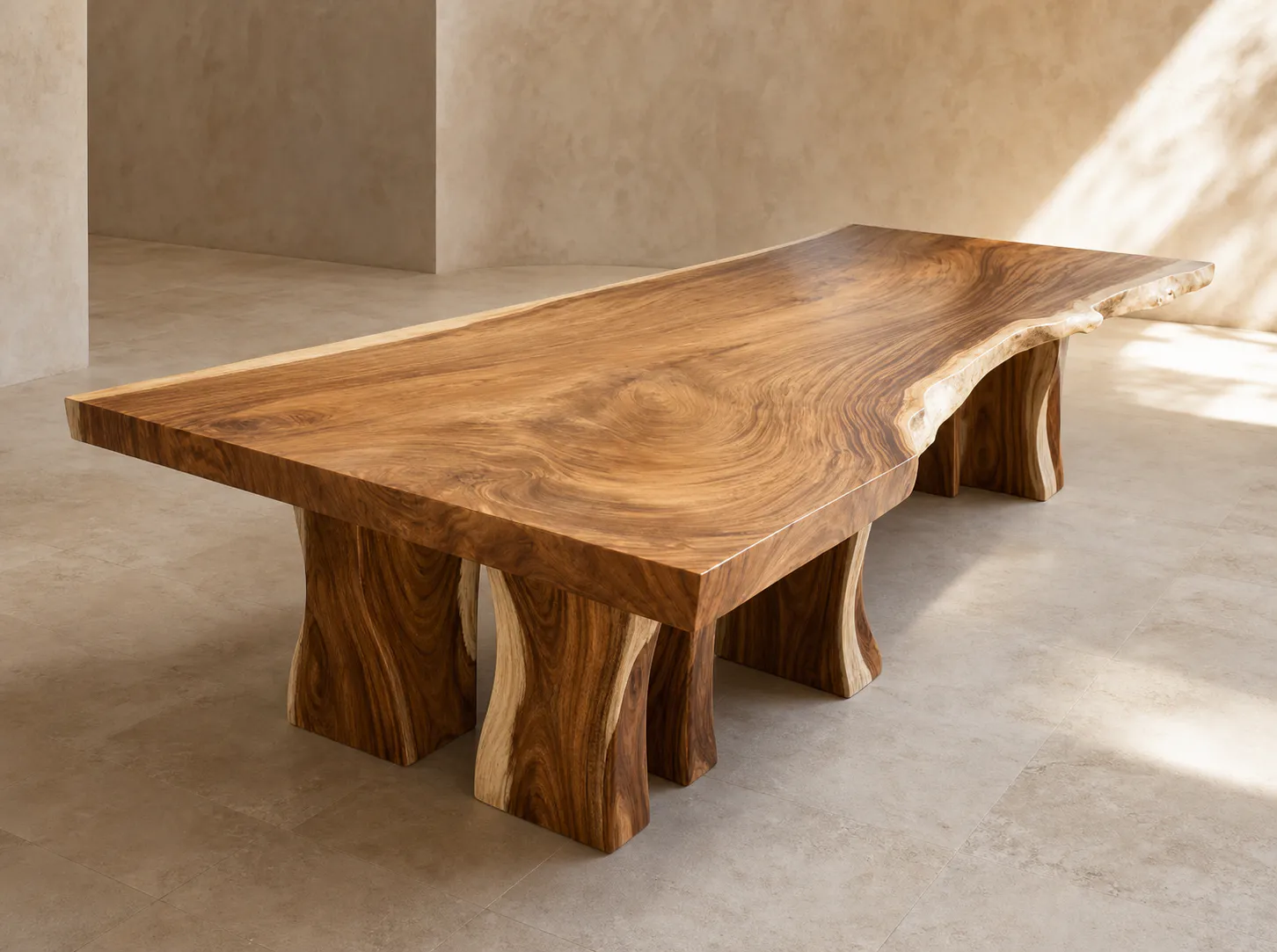
For natural-edge furniture, agree whether the stated width is an average, a range or a minimum usable surface. For storage, list the largest objects that must fit inside. For seating, confirm seat height, table clearance and any accessibility requirements.
4. Annotate every reference image
Reference images are most useful when each one has a short note. Identify whether you like the silhouette, base, edge, colour, proportion or hardware. If you dislike part of the image, say so. This prevents a maker from treating the entire photograph as the target.
Natural wood will not reproduce another piece grain for grain. Ask what can be controlled and what will vary. A successful custom piece can hold the same design idea while responding honestly to the material selected for it.
5. Give budget and priority enough context
An indicative budget helps the maker propose a realistic route. It is not the same as accepting a final price. Explain whether the budget includes delivery, installation, taxes or other items, and identify where quality or visual character matters most.
If the first proposal exceeds the range, ask which decisions drive cost. Size, material selection, complex curves, one-off hardware, finish work and delivery access can all affect the quotation. Adjusting one priority is usually more useful than asking for an undefined cheaper version.
6. Agree how the design will be approved
Before production, ask what you will receive for approval: a measured drawing, material photographs, finish sample or marked reference. Confirm who signs off and how changes after approval are handled. Verbal agreement is easy to remember differently.
The final confirmation should identify dimensions, material direction, base or construction, finish, price, payment stages, estimated timing, delivery location and installation responsibilities. Keep the approved version with your order records.
- Final measured drawing or written dimensions
- Approved material and finish direction
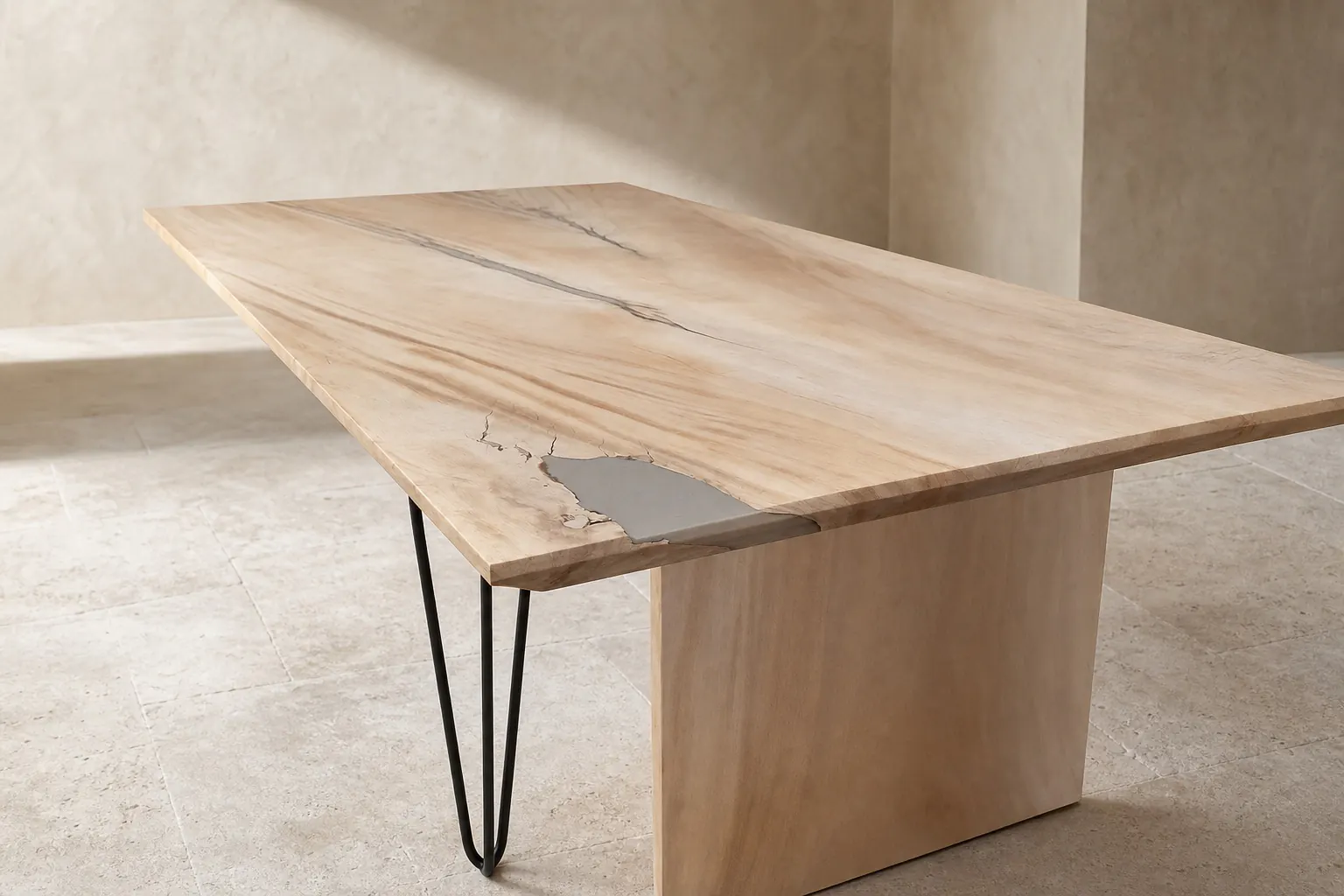
- Treatment of natural cracks, voids or variation
- Price and payment stages
- Estimated timing and approval deadlines
- Delivery, access, assembly and placement scope
7. Make the first message easy to answer
A concise first enquiry can include the project type, item, quantity, approximate dimensions, location, reference images and desired timing. Add the room plan and photographs if they are ready. State which information is confirmed and which is still open.
You do not need to solve every detail before contacting a maker. The goal is to provide enough context for useful questions. A good response should help organise the next decisions instead of forcing you to select materials or technical details without guidance.
Clarity creates better options
A custom brief is a starting point, not a cage around the design. By making constraints and priorities clear, you give the maker room to solve the right problem. Bring the room, the use and the decisions that matter most; the form can develop from there.