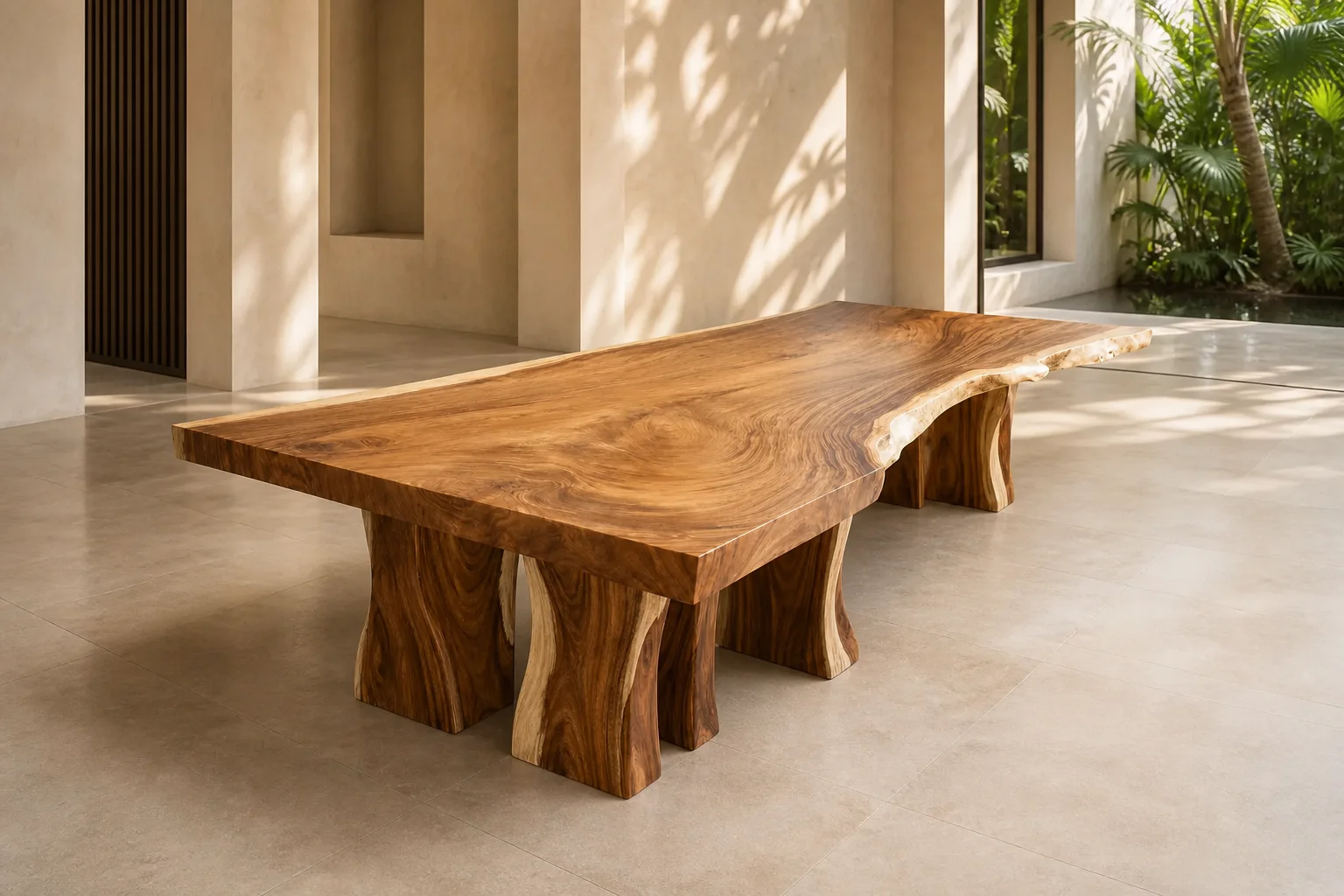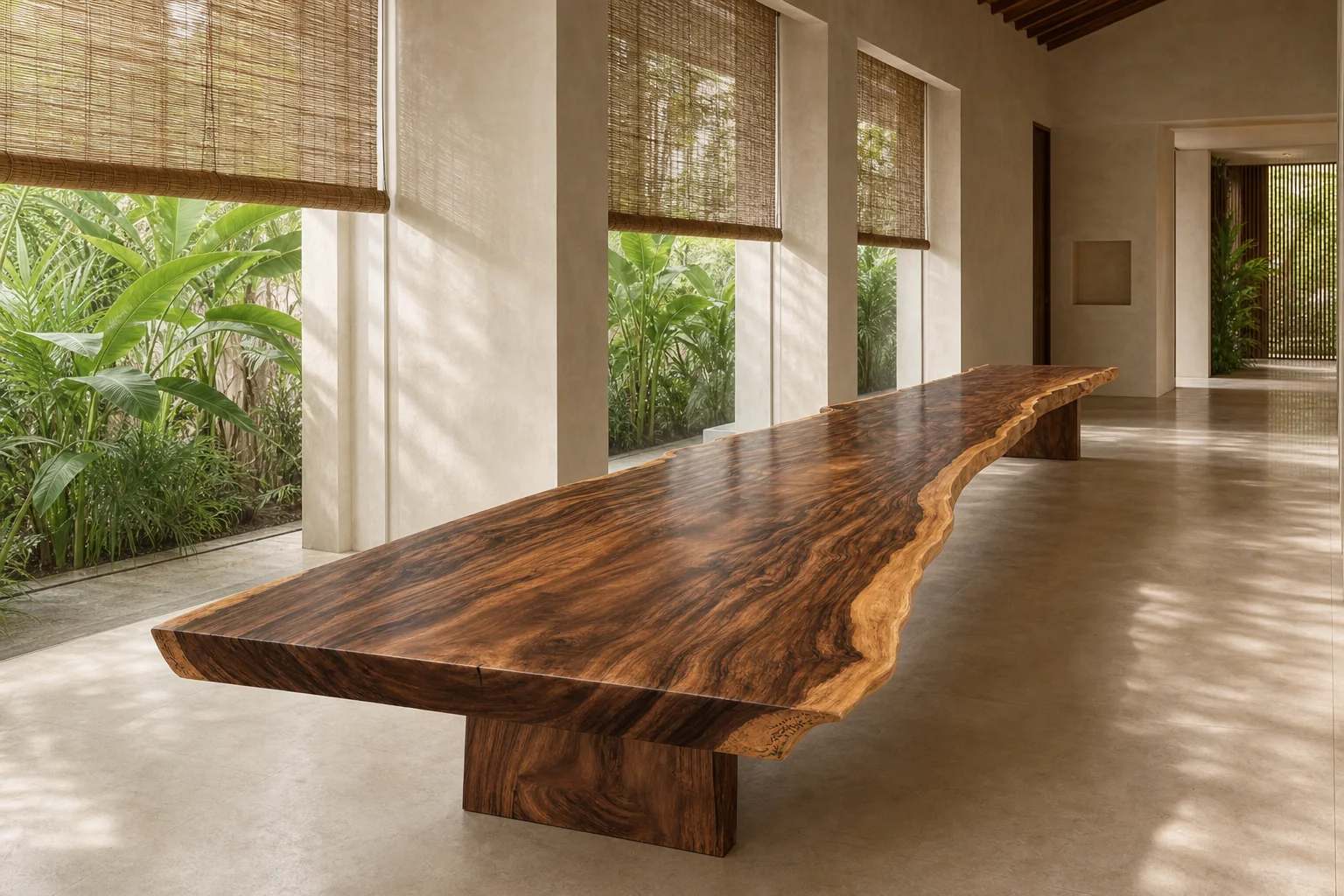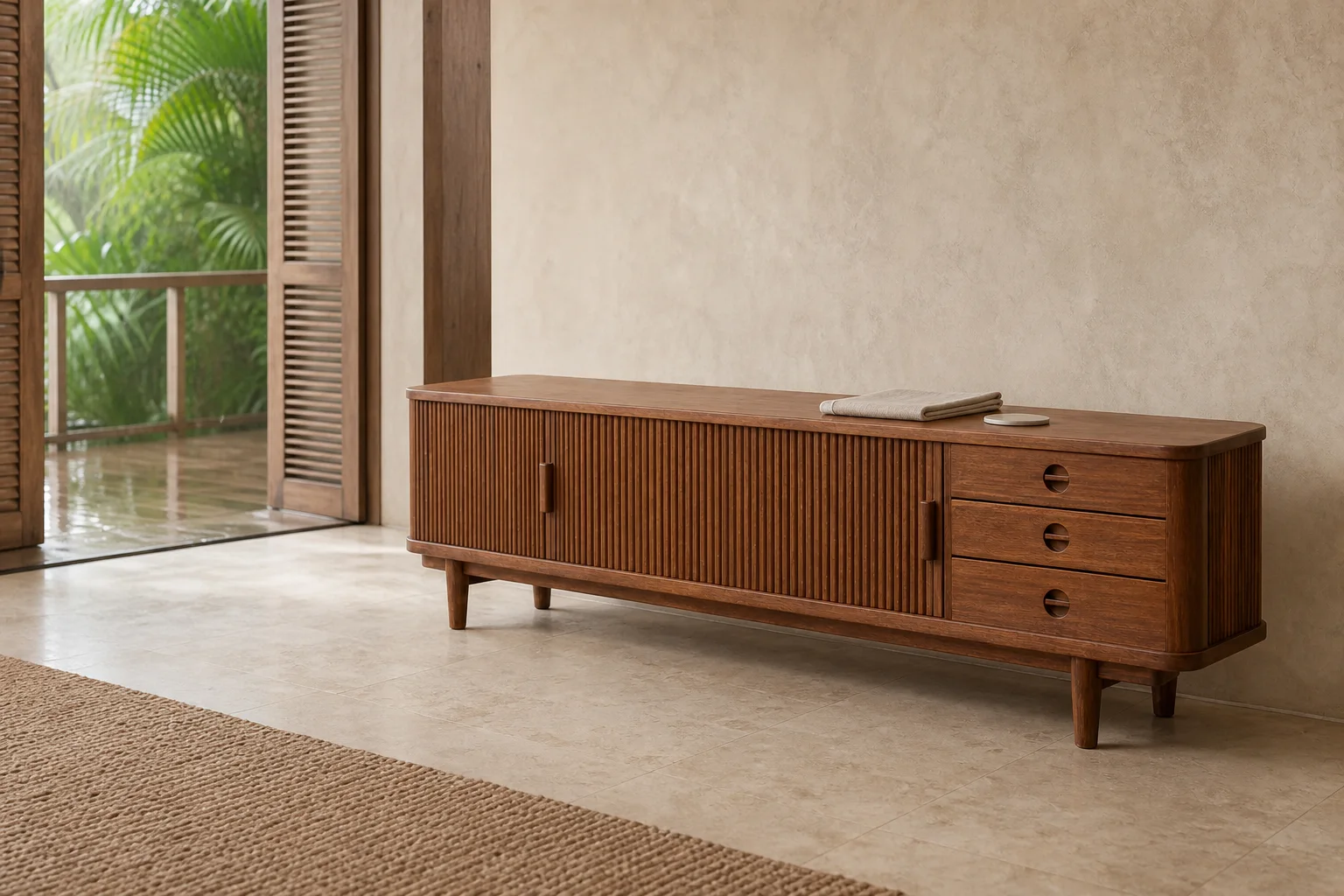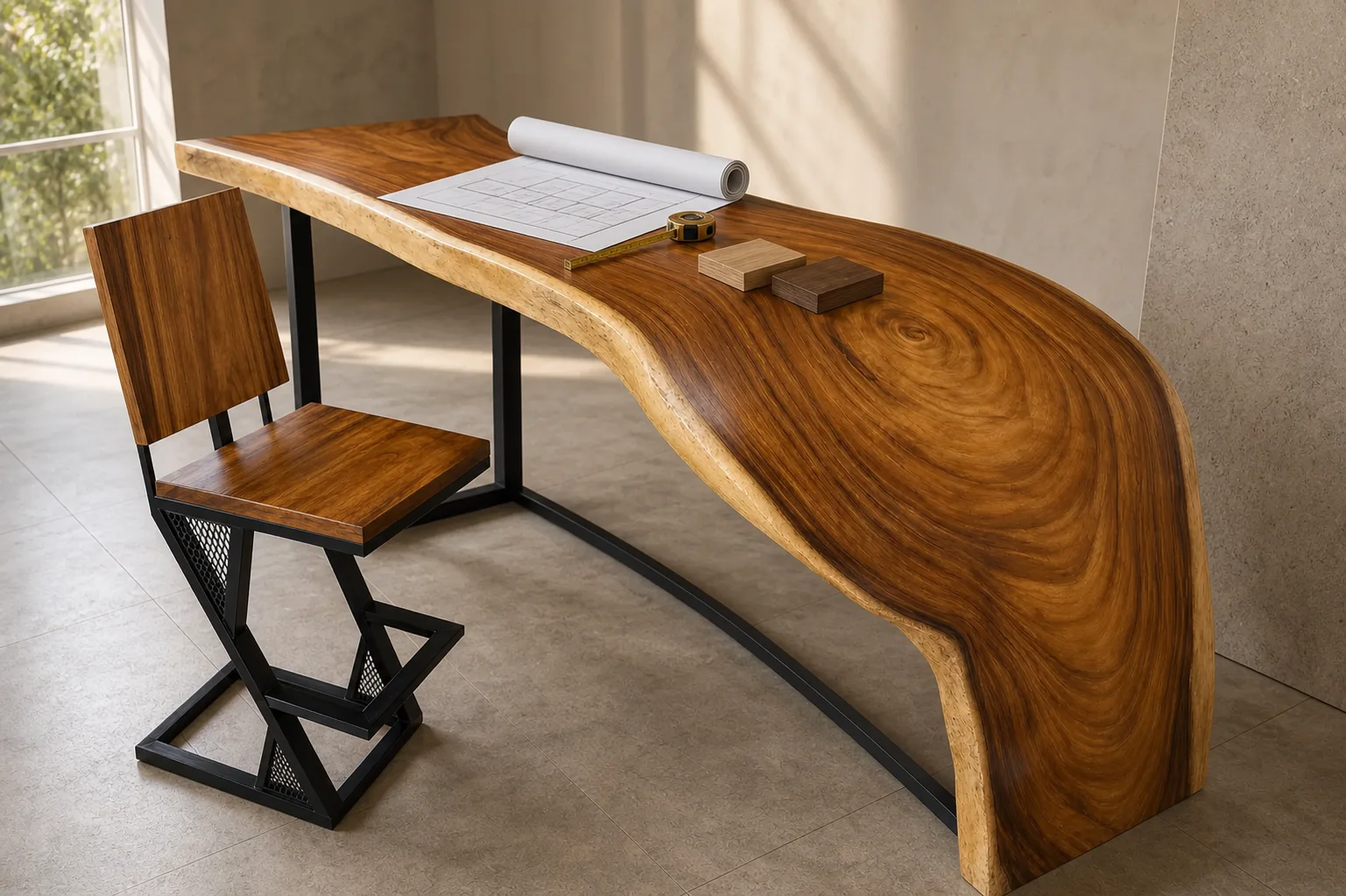
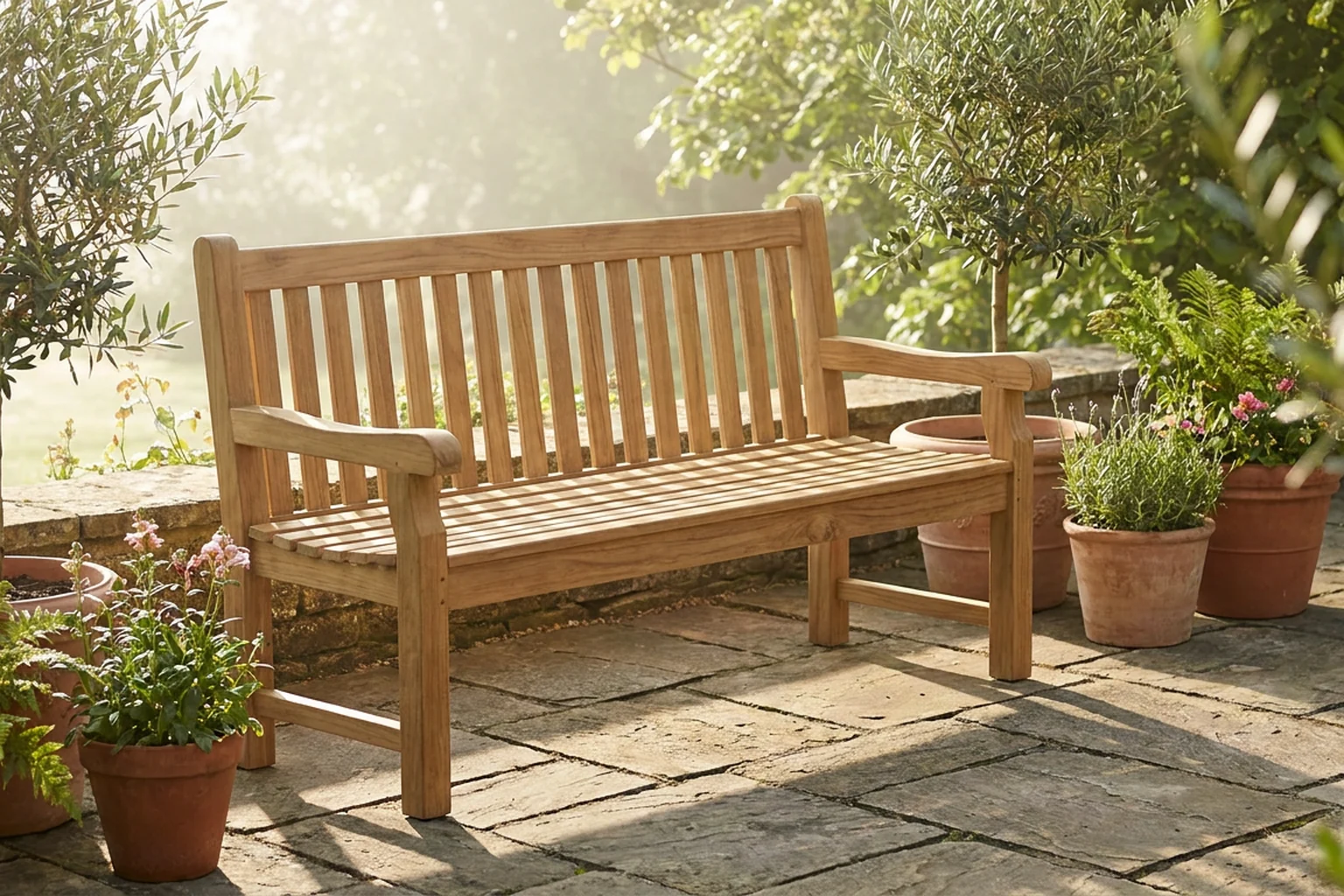
The short answer
Decide where the bench will live before anything else. Outdoor benches benefit from teak's natural weather resistance but still need the right finish and seasonal care; indoor benches can be more refined. Confirm solid teak construction, choose a size that fits the space and the people using it, and for made-to-order or export work agree dimensions, materials and delivery in writing.
1. Indoor or outdoor first
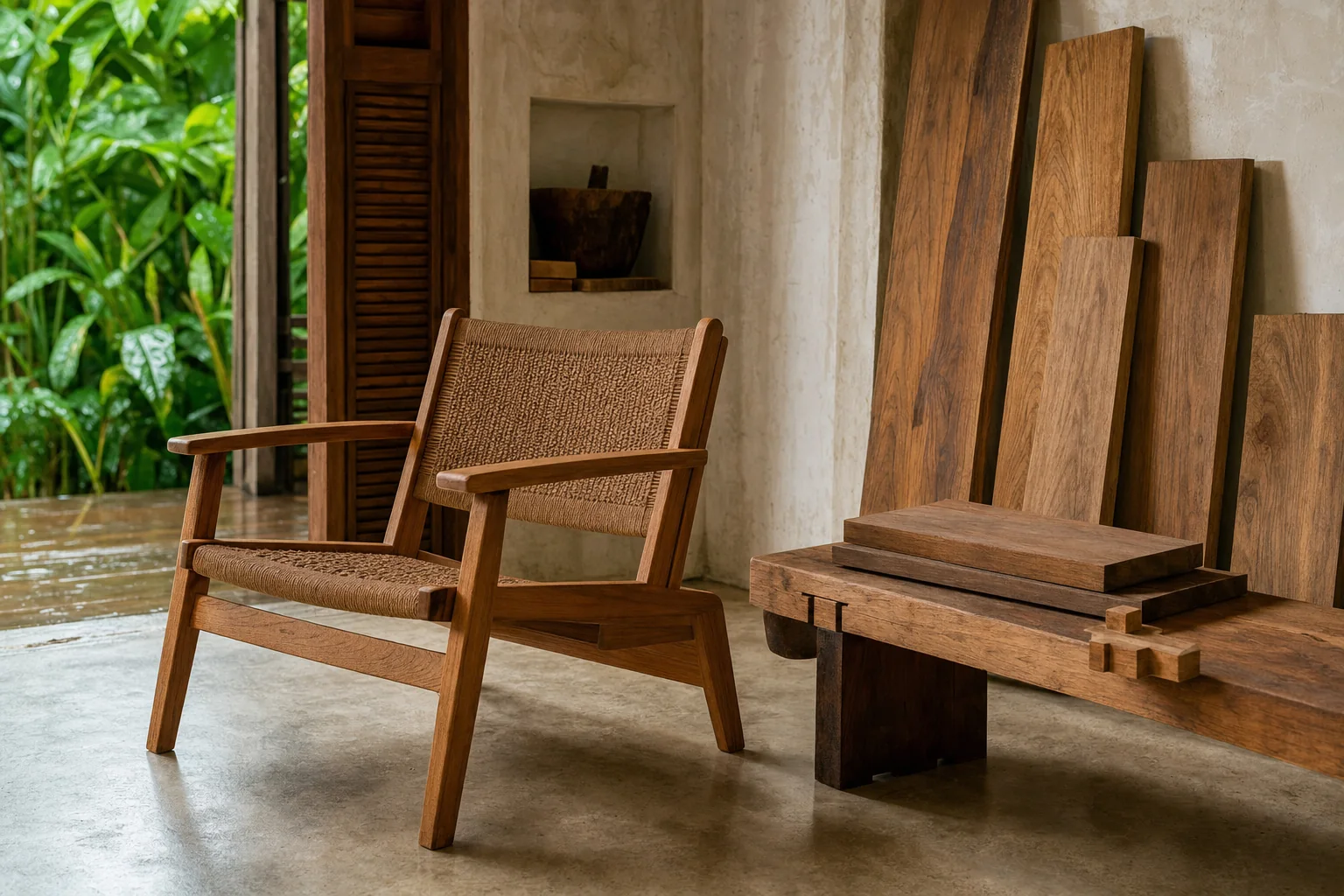
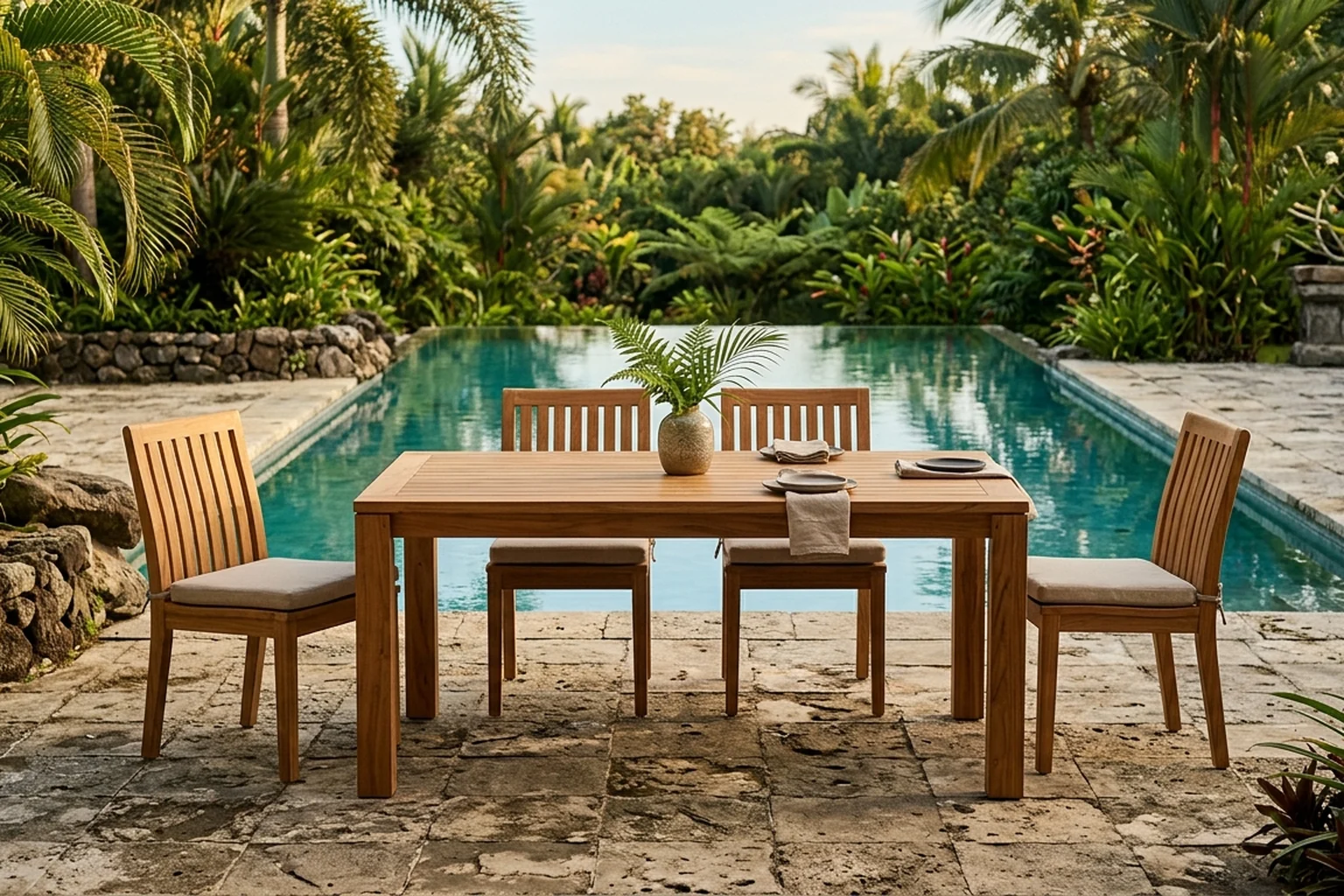
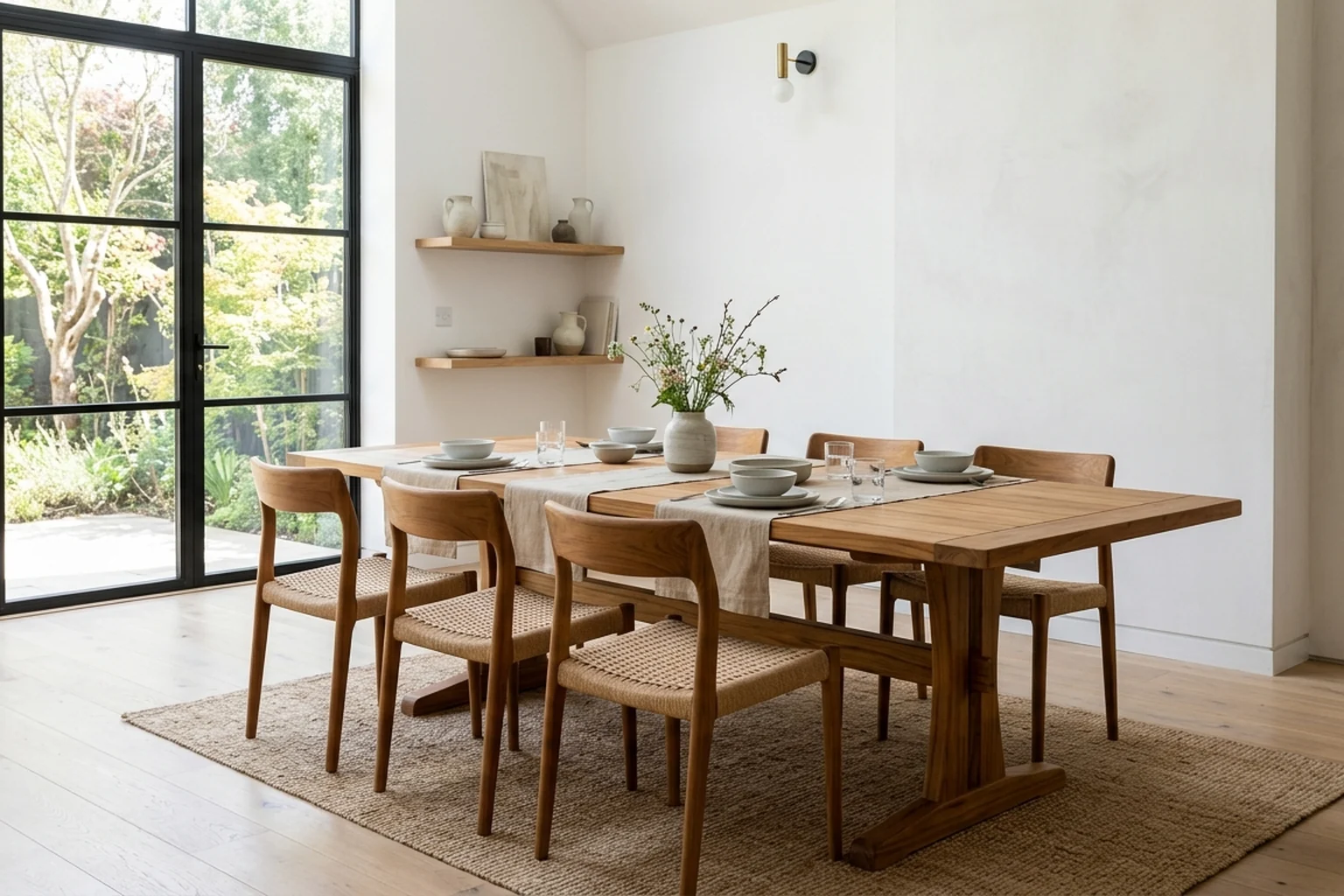
The location decides most of the specification. Outdoors, a bench faces sun, rain, humidity and temperature swings, which is exactly the environment where teak's natural oils shine. Indoors, the same wood behaves with less stress and can take a more refined finish and lighter proportions.
If the bench will move between indoors and outdoors, plan for outdoor conditions: expect the wood to silver with age in the sun, choose a finish that tolerates weather, and allow for seasonal movement. An indoor-only bench can keep a warmer, more polished surface for longer.
- Primary location: indoor, outdoor or both
- Sun, rain and humidity exposure
- Expected colour change over time
- Finish suited to the location
2. Solid construction, confirmed
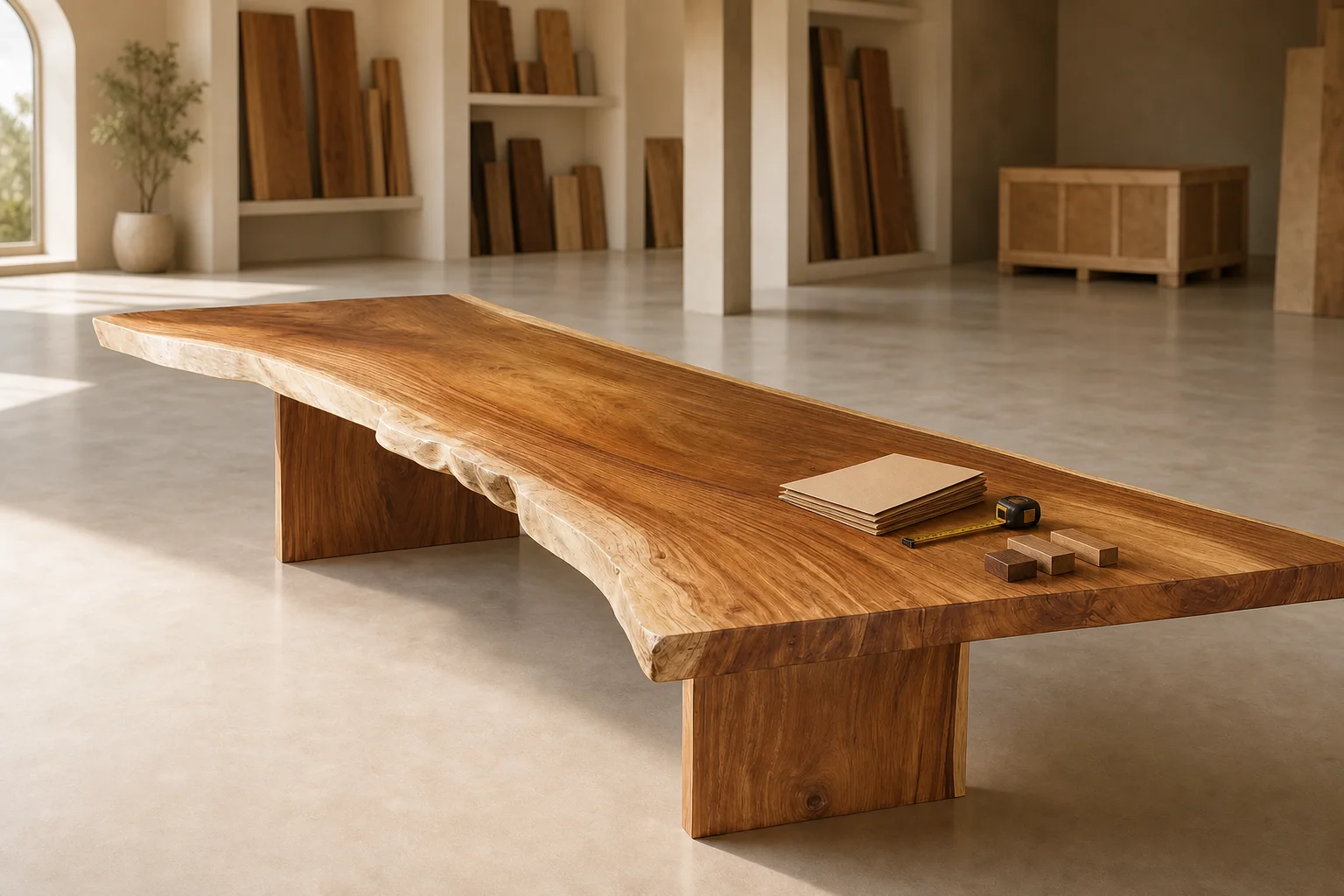
A bench carries real weight, often several people, so construction matters more than on a decorative piece. Look for solid teak in the top, solid or properly framed legs, and joinery that will not loosen with use. Mortise-and-tenon or similar structural joints are a good sign; thin screws into end grain are not.
Ask the seller to confirm in writing that the bench is solid teak, how the frame is joined, and how the top is attached to the base. Check the underside, where materials and workmanship are easiest to assess. A well-built teak bench can be repaired and refinished for decades.
- Solid teak confirmed in writing
- Structural joinery at legs and rails
- Top-to-base attachment inspected
- Underside checked for materials and workmanship
3. Size for the space and the people
Measure the space and think about how the bench will be used. An entry bench is sized to sit on briefly while changing shoes; a dining or garden bench needs comfortable seating depth and width for real sitting. A bench for three people is typically around 150 to 180 centimetres long, but the right length depends on your space.
Consider height as well as length. Bench seating is usually lower than a dining chair, which suits casual tables and outdoor settings. If the bench sits against a wall, account for the depth of the top and the space people need to stand up.
- Length, depth and seat height
- Number of people who will sit on it
- Table height if paired with a table
- Wall clearance and standing space
4. Finish and maintenance by location
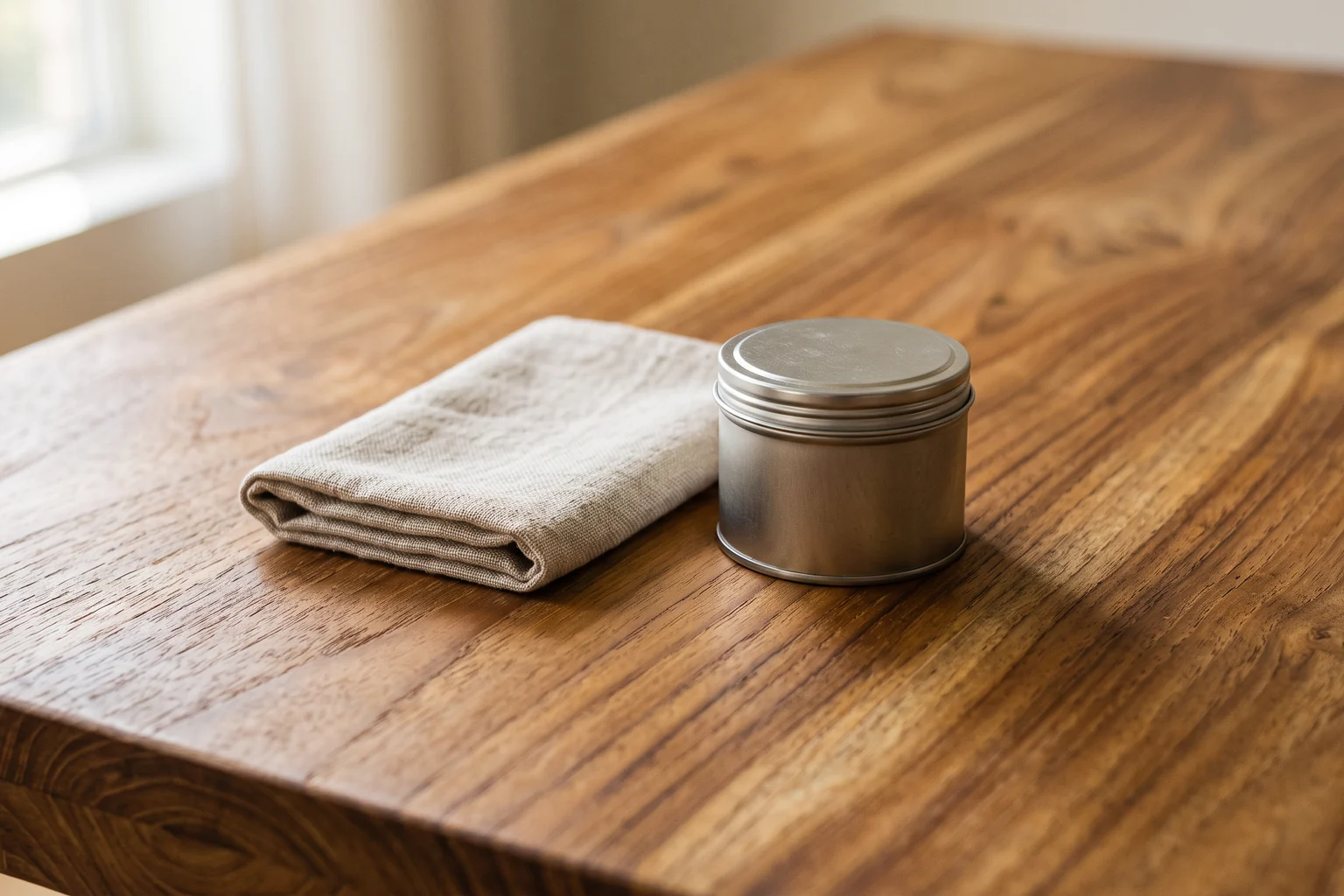
Outdoors, a penetrating oil or an exterior teak sealer helps the wood weather evenly, while many owners let natural teak silver gracefully with no finish at all. Indoors, a hardwax or lacquer finish protects against spills and everyday wear. Each choice changes the look and the maintenance routine.
For outdoor benches, clean periodically with mild soap and water, and reapply oil when the surface looks dry. Indoors, coasters and prompt spill wiping keep the surface simple to maintain. Whatever the location, keep the bench off direct contact with standing water where possible.
- Outdoor finish or natural silvering chosen
- Indoor finish chosen for daily use
- Cleaning and re-oiling routine planned
- Position avoids standing water
5. Made-to-order benches
Benches are straightforward to make to order, and custom length, depth or seat height often fits a hallway, dining set or outdoor layout better than a standard piece. M Furniture & Decor has made custom furniture for more than five decades from its showroom on Phet Kasem Road in Cha-am, with a second viewing location in Bangkok.
For made-to-order work, agree the finished size, top and leg design, finish and timeline in writing before production. Photographs of the intended spot help as much as measurements, especially for outdoor settings where proportions matter against a garden or terrace.
6. Ordering and export from Thailand
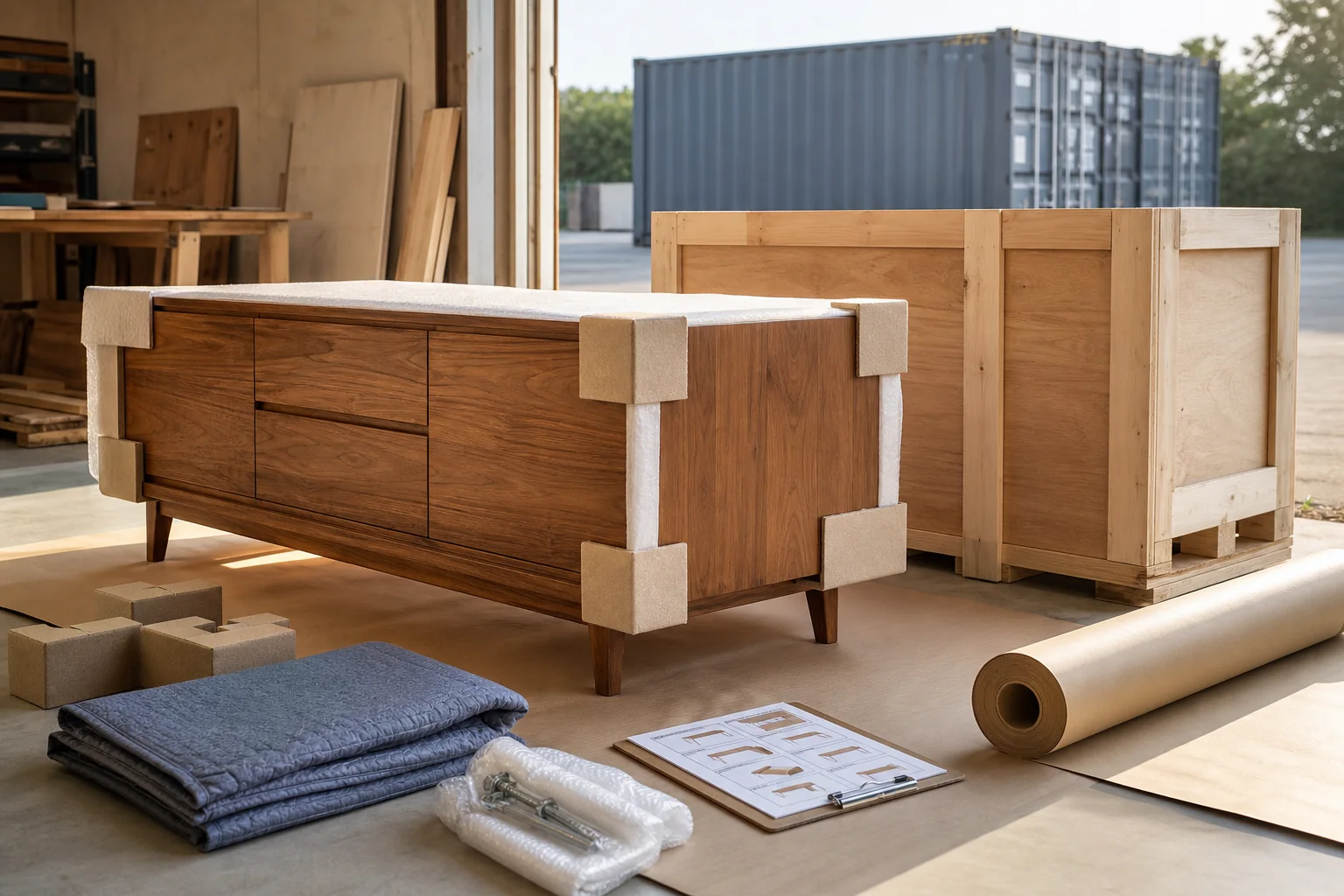
M Furniture & Decor ships internationally, including single pieces, project orders and container orders, with packing, freight, customs and insurance coordination. For export orders, pricing can be quoted on FOB or CIF terms depending on the destination and order size, and species and source records are confirmed for the exact piece or lot.
For a quotation, share the piece or brief, dimensions, quantity, destination and timeline. The fastest direct channel is WhatsApp at +66 614 456 154. Lead time depends on design, materials and quantity, so confirm timing with your order.
- Piece or brief, dimensions and quantity
- Destination and incoterms (FOB or CIF)
- Lead time confirmed with the order
- Species and source records for export
Choose the bench for the place it will live
Teak benches reward a clear brief: decide the location, confirm solid construction, size it to the people and the space, and match the finish to the environment. Whether it anchors a garden, an entryway or a dining set, a well-chosen teak bench is a piece your family will sit on for generations.