The short answer
Prepare a short brief with the use, dimensions, materials, design references and budget, then let the maker confirm feasibility and quote before anything is cut. The timeline depends on design and quantity, but a typical single custom piece runs from weeks to a couple of months including drying, production and finishing. Every stage, from confirmation of dimensions to delivery, should be agreed in writing before production.
1. What to prepare before you ask for a quote
A good brief is short and concrete. Start with the use: is this a dining table for eight, a bedside cabinet, a reception desk? Then give the space: room dimensions, how much clearance you want, and any awkward corners, doors or stair access. Finally, add the preferences that matter: materials such as teak or other hardwoods, finish direction, and design references, which can be photographs, sketches or even a piece you have seen elsewhere.
You do not need technical drawings. References and measurements are enough for a serious maker to confirm feasibility and give you a direction. The clearer the brief, the fewer revisions later, and the more accurate the quote.
- Intended use and how many people or items it serves
- Room or space dimensions and clearance
- Preferred materials (teak, solid wood) and finish direction
- Design references or sketches
- Quantity, timing and delivery location
2. Feasibility, quote and confirmation
Once the brief arrives, the maker confirms whether the piece is feasible as described, suggests adjustments where needed, and returns a quotation with the materials, dimensions and finish assumptions stated. This is the moment to raise every question, because changes after confirmation cost time and money.
A responsible maker confirms the details in writing before production: finished dimensions, material, thickness, base or leg position, finish, and what happens if a natural characteristic of the wood changes the appearance.
3. Selecting and preparing the wood
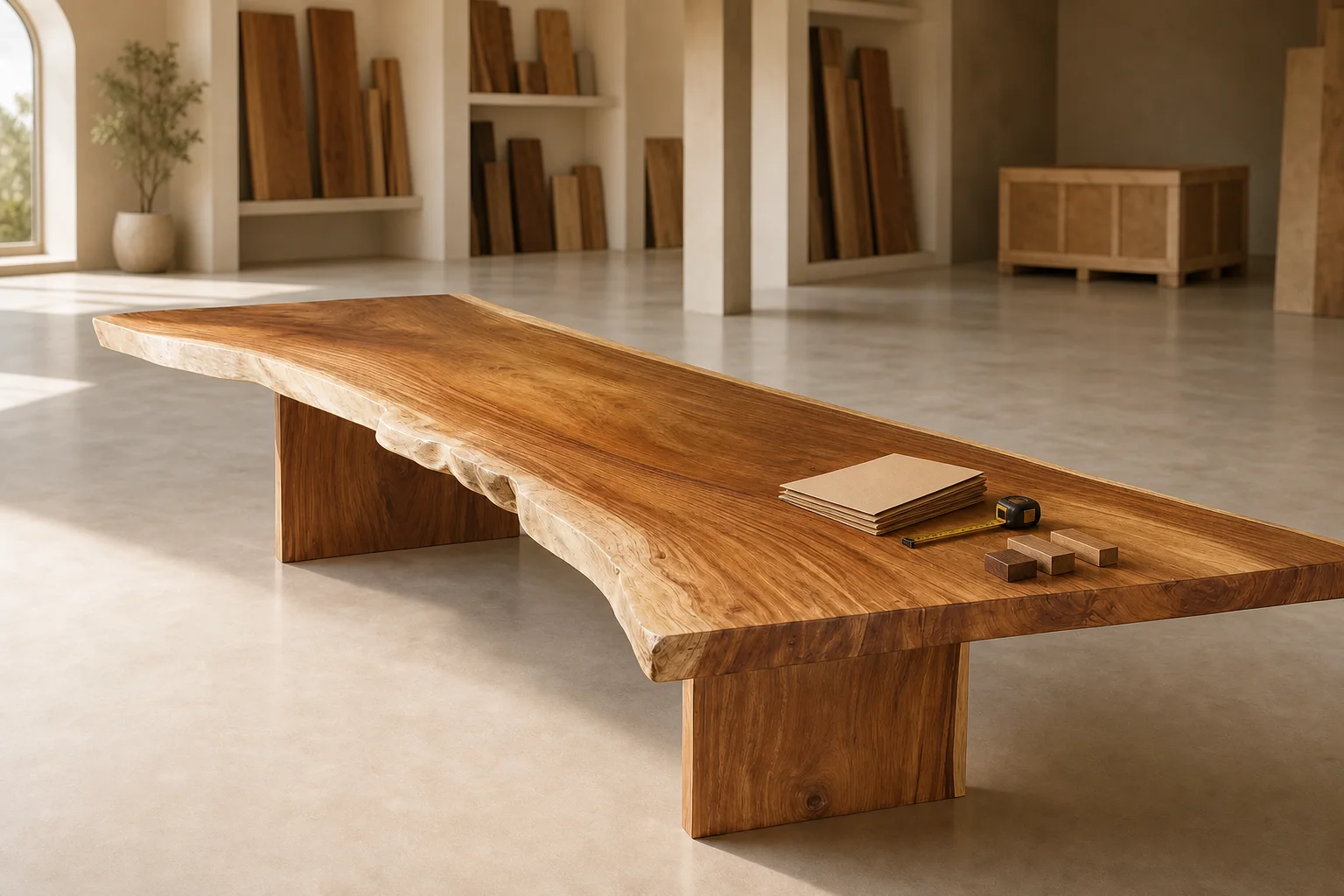
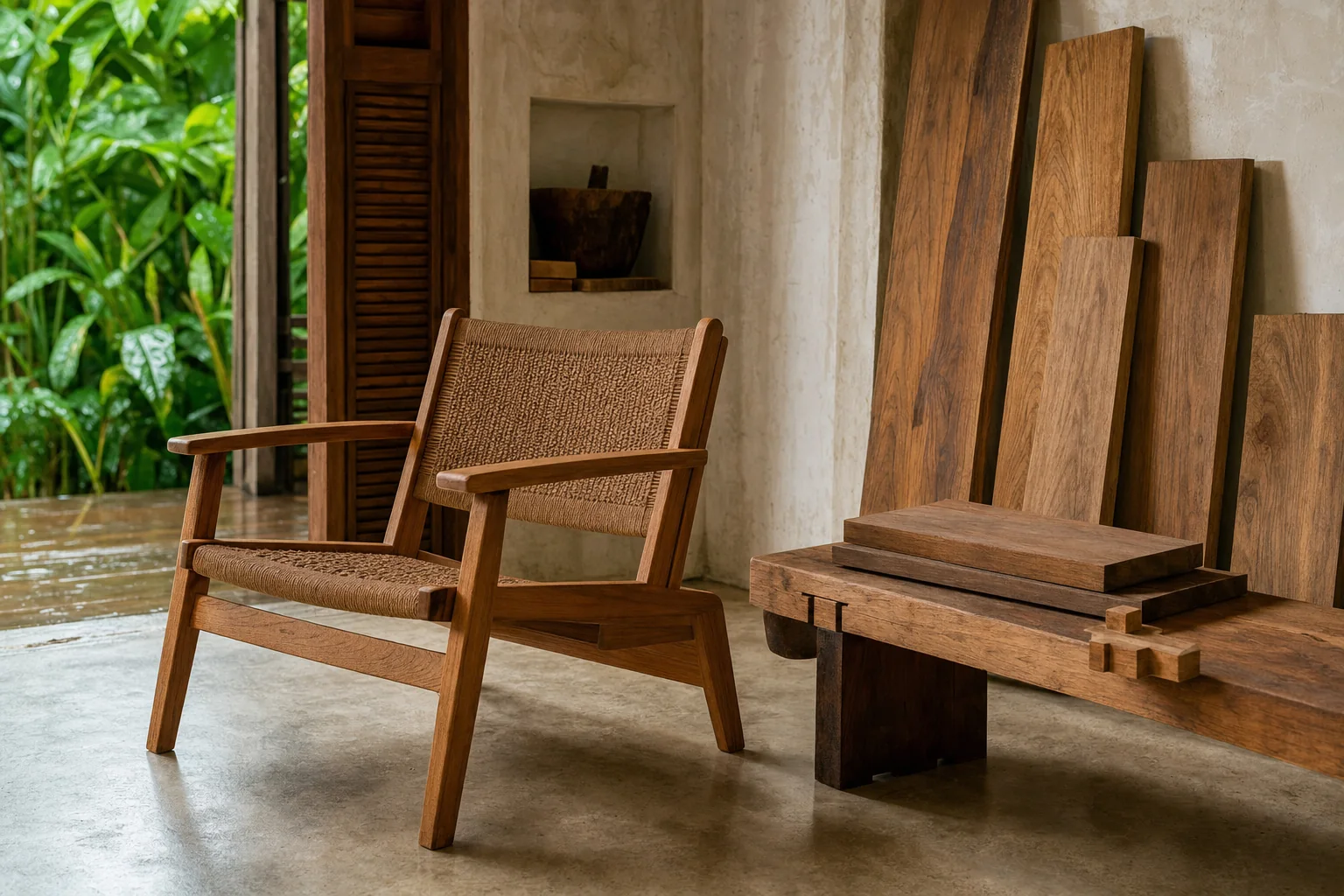
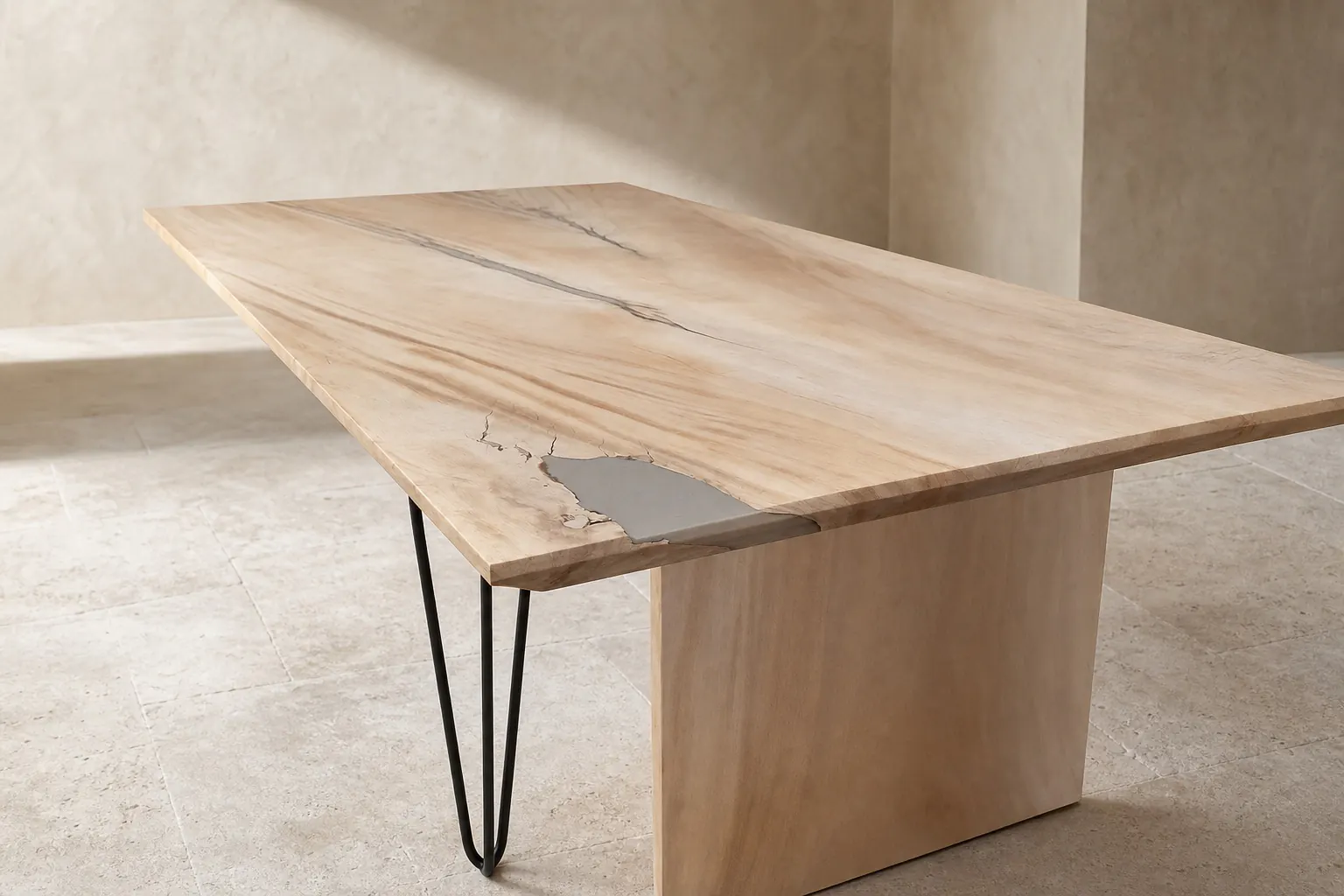
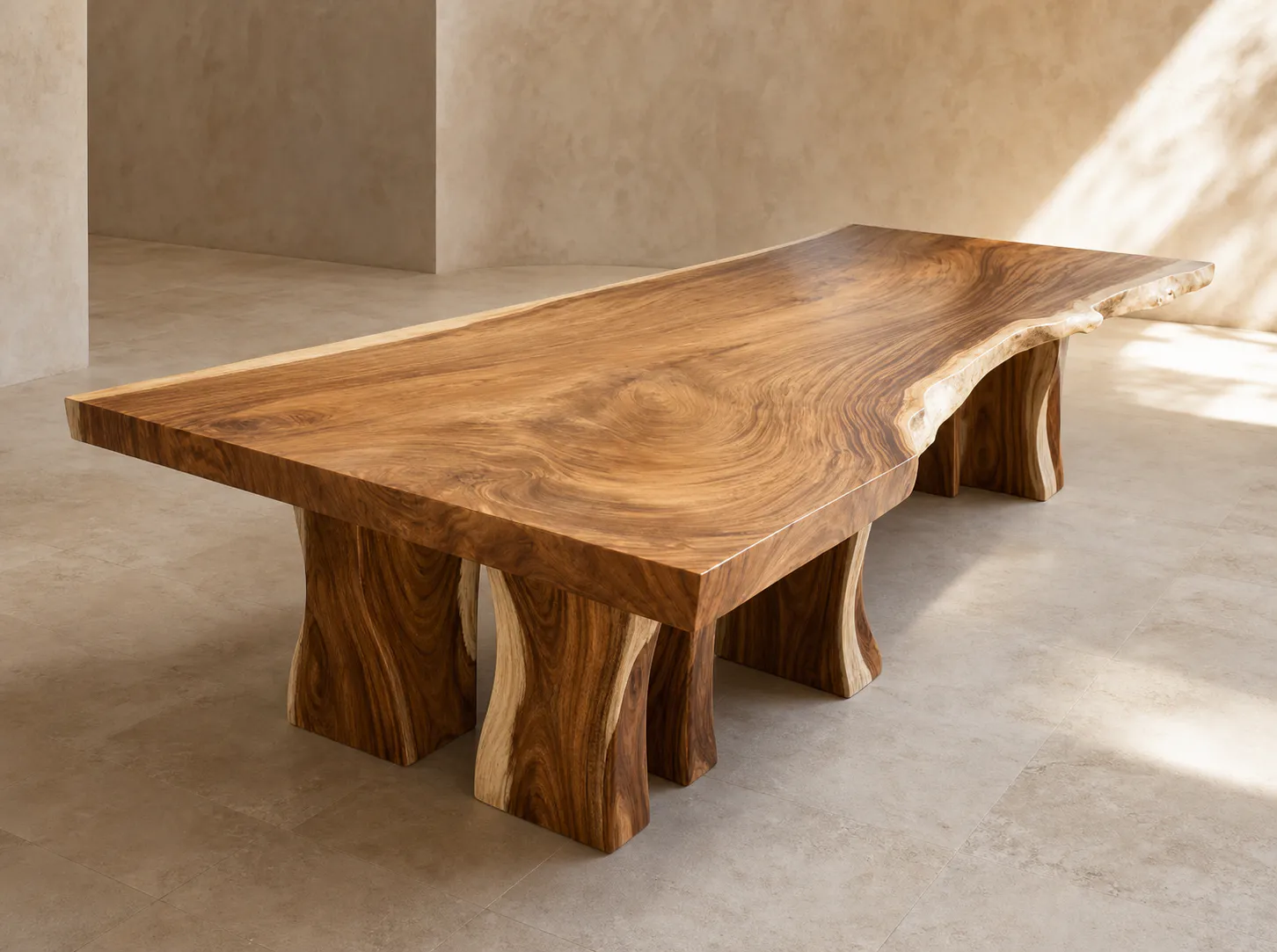
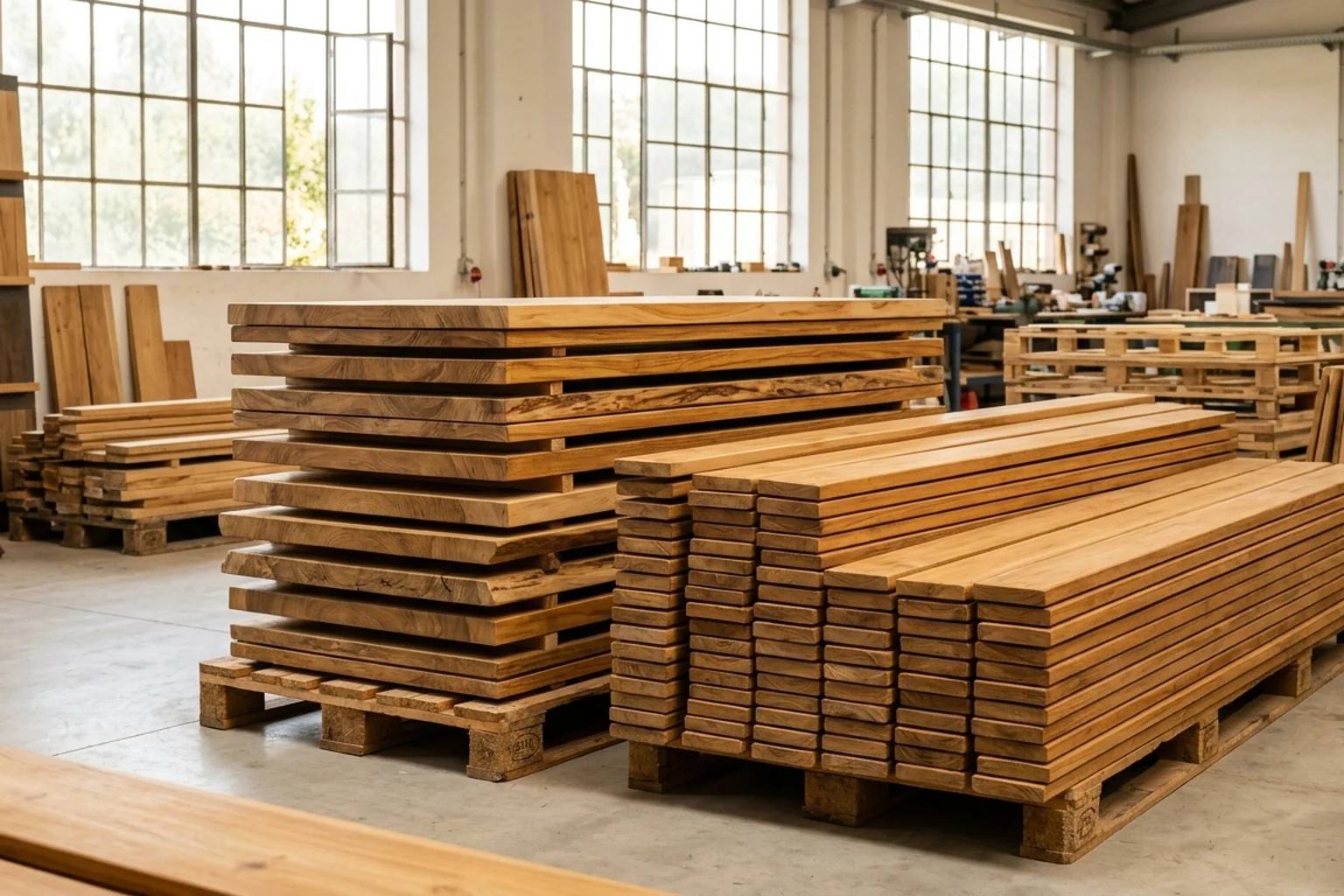
With the design confirmed, the right wood is selected. For teak, this means choosing boards or a slab with the grain, colour and stability for the piece, and confirming species and source records. Wood is a natural material, so minor variation in grain and tone is expected; the important thing is that the character is agreed in advance.
Properly prepared wood should be stable before it is cut. Kiln drying and acclimatisation are part of the process, and a maker who rushes this stage is creating problems that appear years later as movement, warping or cracking.
4. Making, finishing and updates
Production follows the confirmed drawings: cutting, joinery, assembly, and then finishing, which changes colour, sheen and maintenance. For larger or custom pieces, many makers share photo or video updates during production so you can see the piece take shape and raise concerns early.
Ask at the start how updates work and at which points you can approve or adjust. Approval points exist precisely so that small corrections happen before finishing, not after delivery.
5. A realistic timeline
Timelines vary with design, material availability and quantity. A single custom piece typically needs several weeks from confirmed order to delivery, including wood preparation, production and finishing. Larger or hospitality projects run longer and are planned with milestones and approvals.
The timeline should be stated in writing at confirmation, with delivery expectations and how any delays will be communicated. Treat any supplier who promises the impossible as a warning sign.
6. Delivery, installation and aftercare
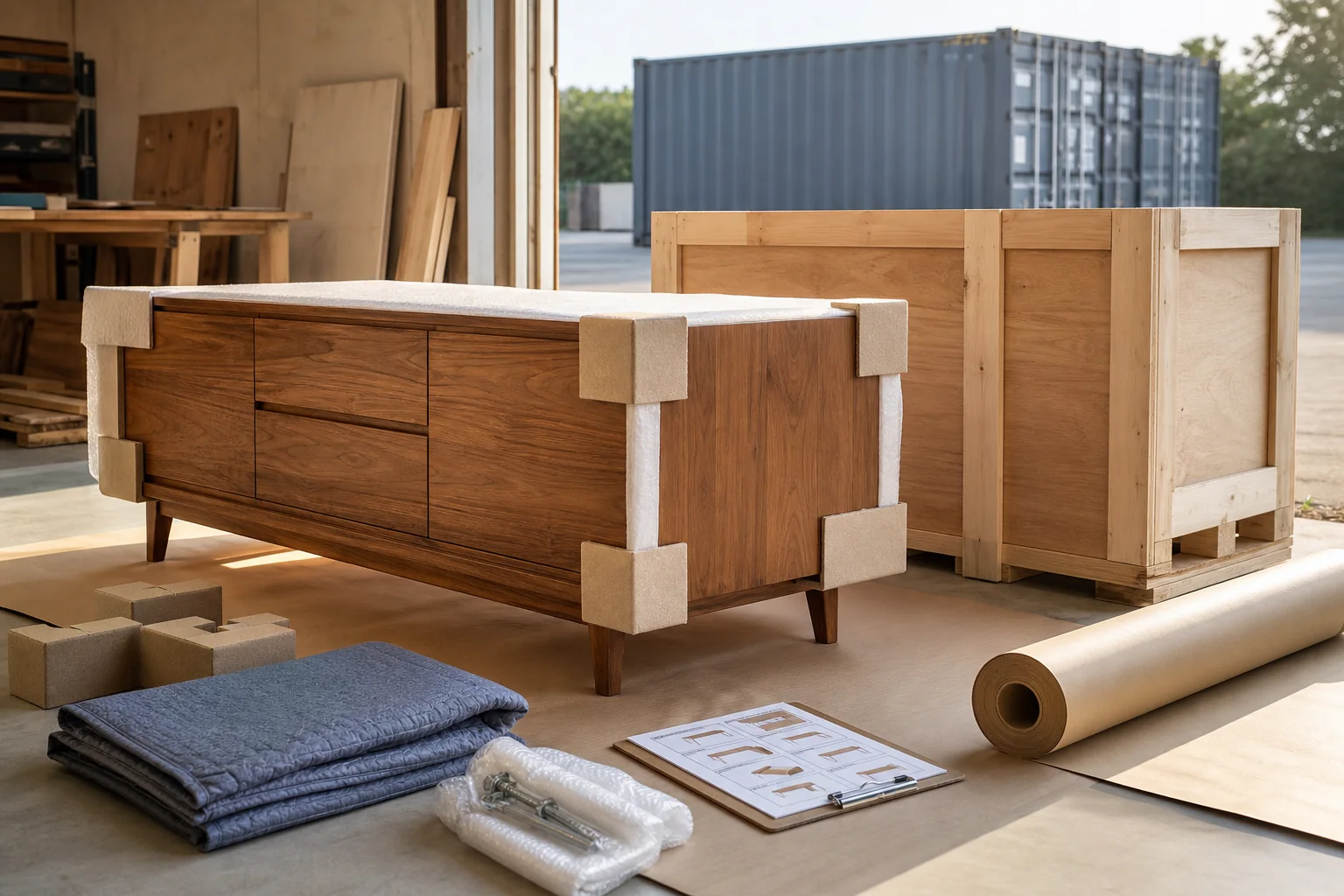
Solid teak furniture is heavy, and the delivery route matters: door widths, lifts, stairs and the final position in the room. Confirm access details at the brief stage, not after production. For export orders, packing, freight, customs and insurance are coordinated end to end, and species, source records and export eligibility are confirmed for the exact order.
After delivery, solid wood needs simple, honest care. Ask for care guidance in writing, and remember that natural wood responds to humidity and sunlight, so placement and cleaning habits are part of the furniture's life.
The brief is the blueprint
Custom teak furniture rewards preparation. A short, concrete brief, written confirmation of every decision, and a maker who updates you through production will deliver a piece that fits the room, the use and the budget. Share your measurements and references and the process becomes straightforward.