The short answer
Treat an online furniture order like a small project: verify the seller's real workshop and track record, pin down solid teak versus veneer and the exact dimensions, choose a shipping method that fits the order size, plan duties and taxes at your end, and get a written confirmation covering price, incoterms, timing and documents before paying a deposit.
1. Verify the seller before the furniture
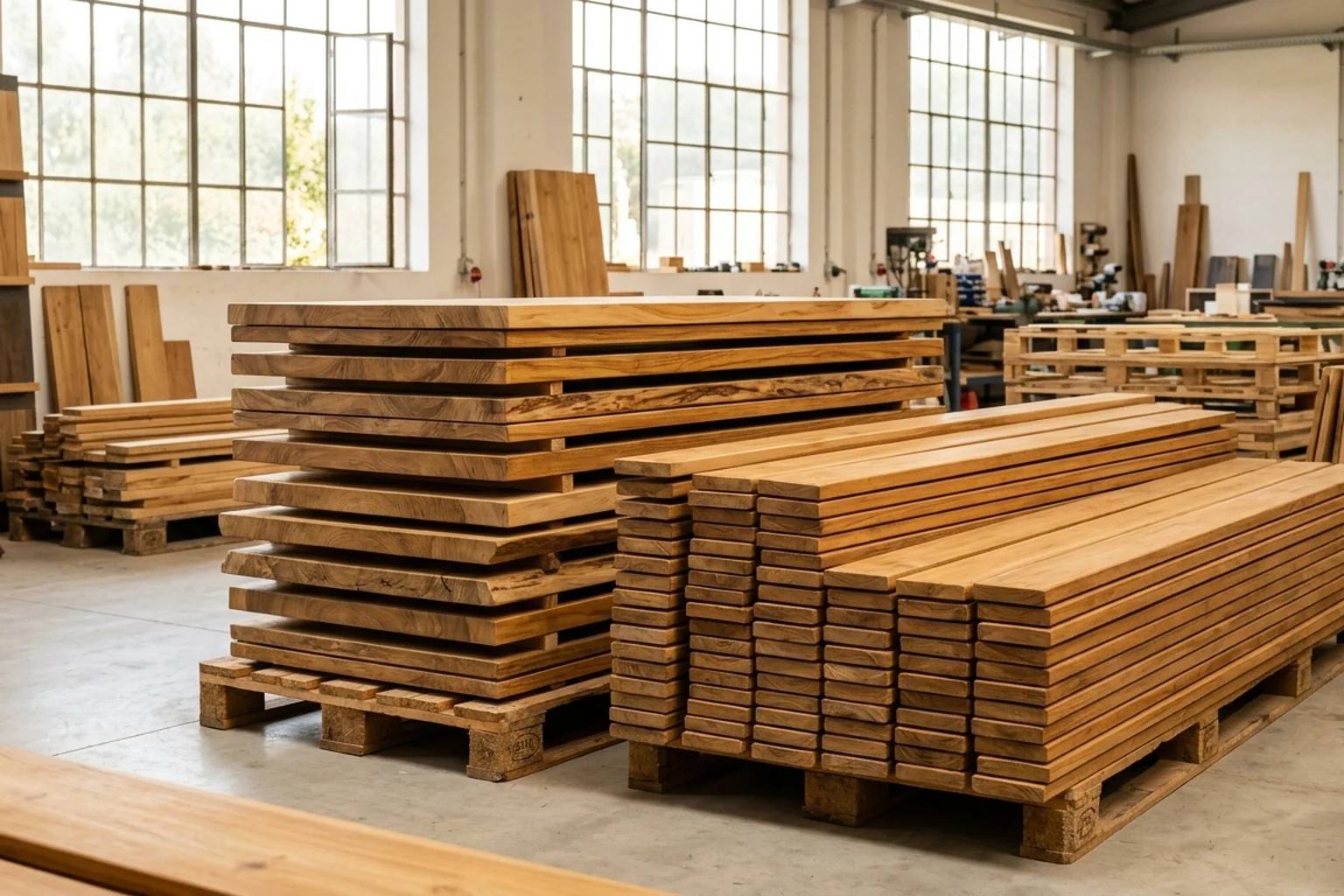
The first check is not about the wood but about who you are dealing with. Look for a real workshop with a physical address you can verify, an operating history measured in years, and direct channels such as WhatsApp or phone where a person actually answers. Photographs of the workshop, the wood stock and work in progress are worth more than polished catalogue shots.
Cross-check the basics: how long has the business existed, where is the showroom, who answers your questions, and what do past buyers say? A maker with more than five decades of experience and a showroom you could visit is easier to trust than a storefront with no address. When the piece matters, ask for a live or recent video of the exact item before you commit.
- Physical address and real workshop
- Operating history and track record
- Direct contact: WhatsApp or phone
- Recent photos or video of the actual piece
2. Know exactly what you are buying
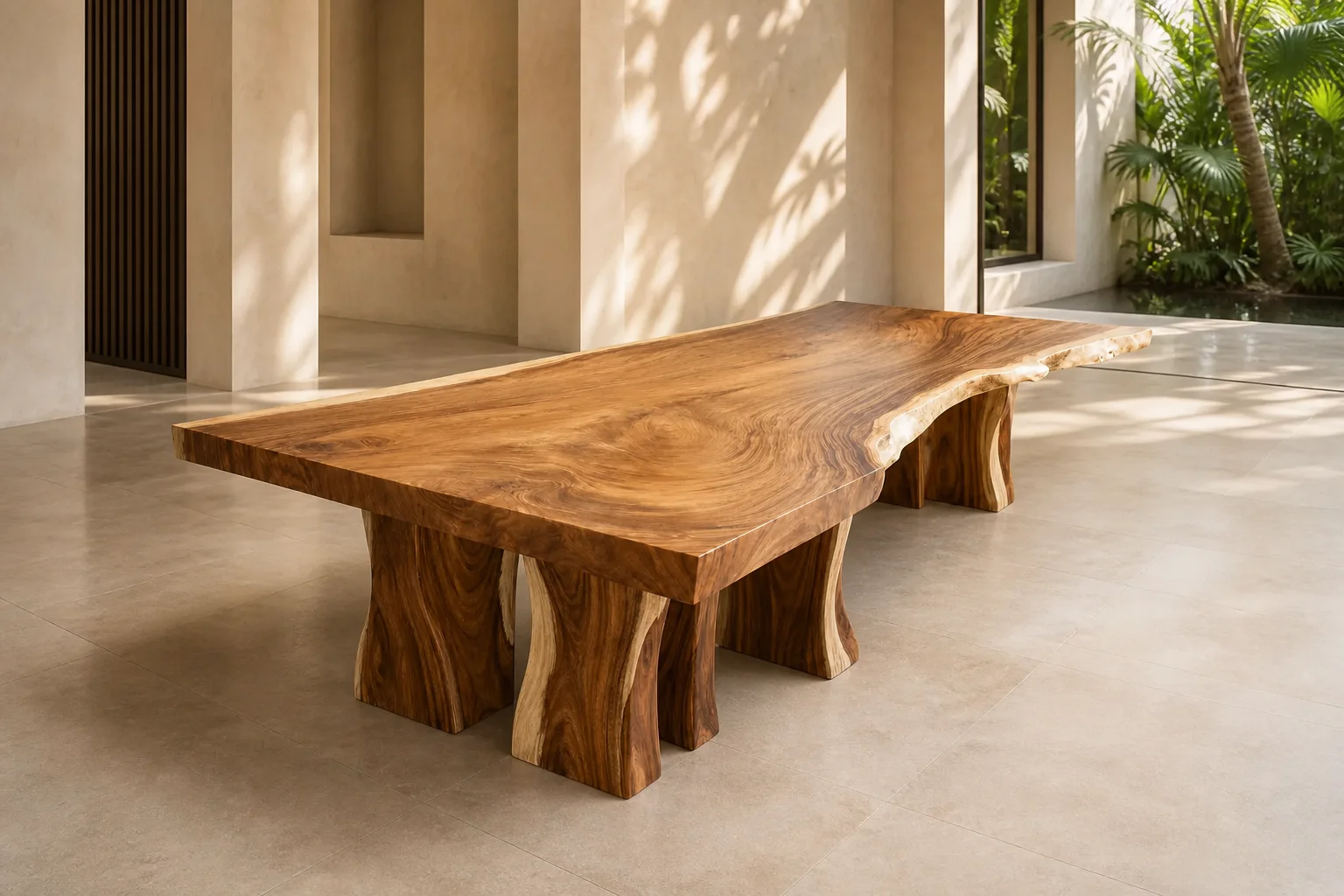
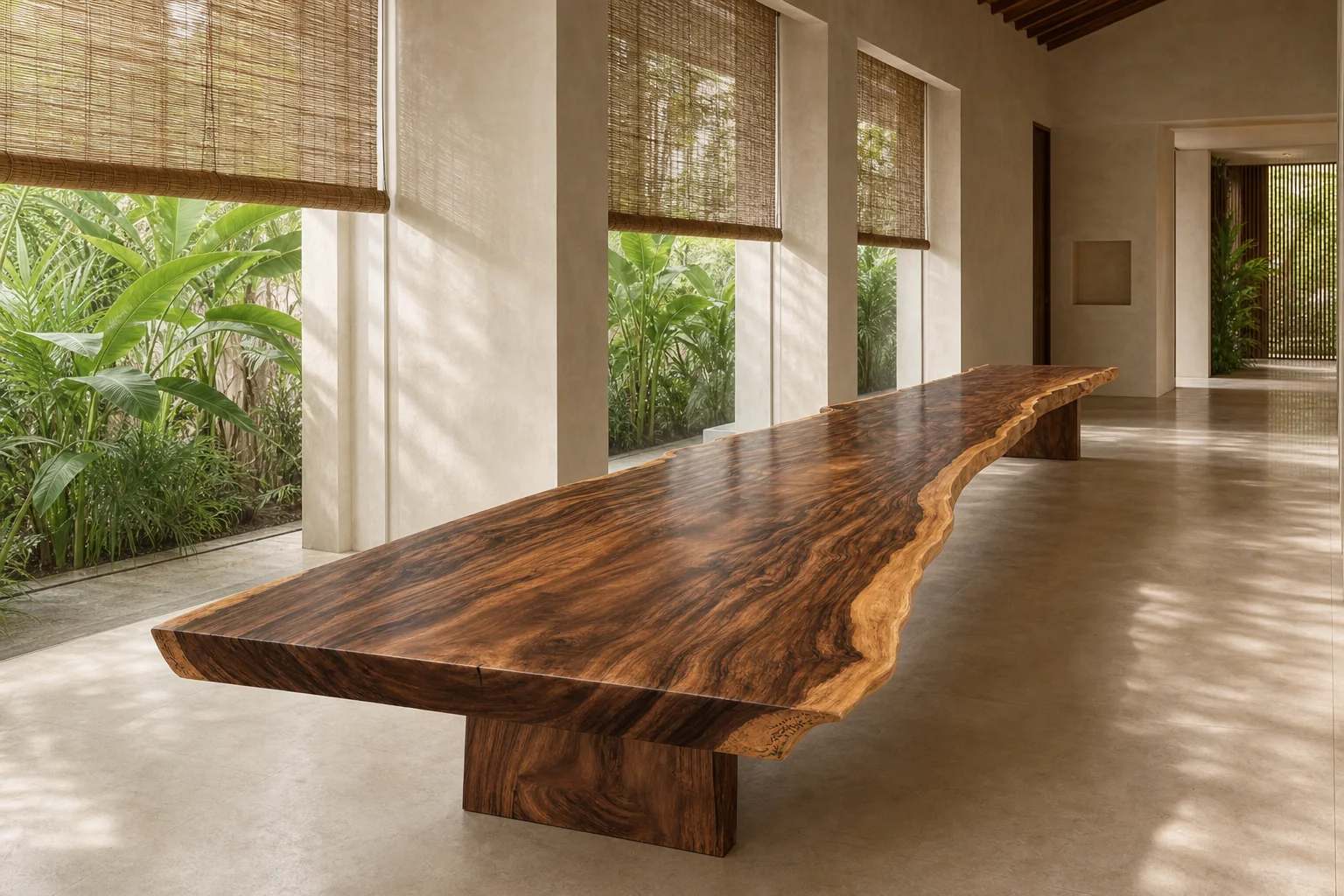
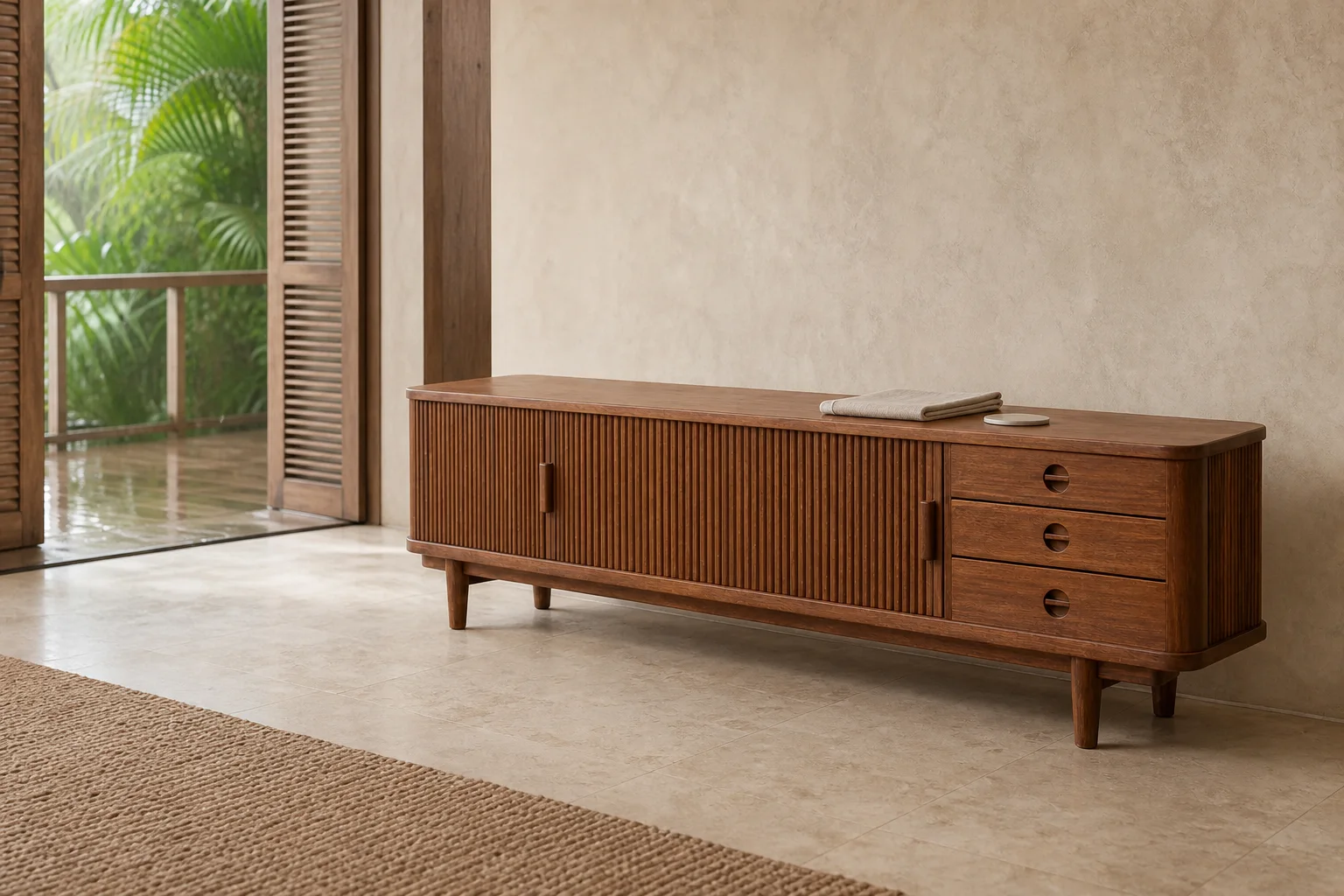
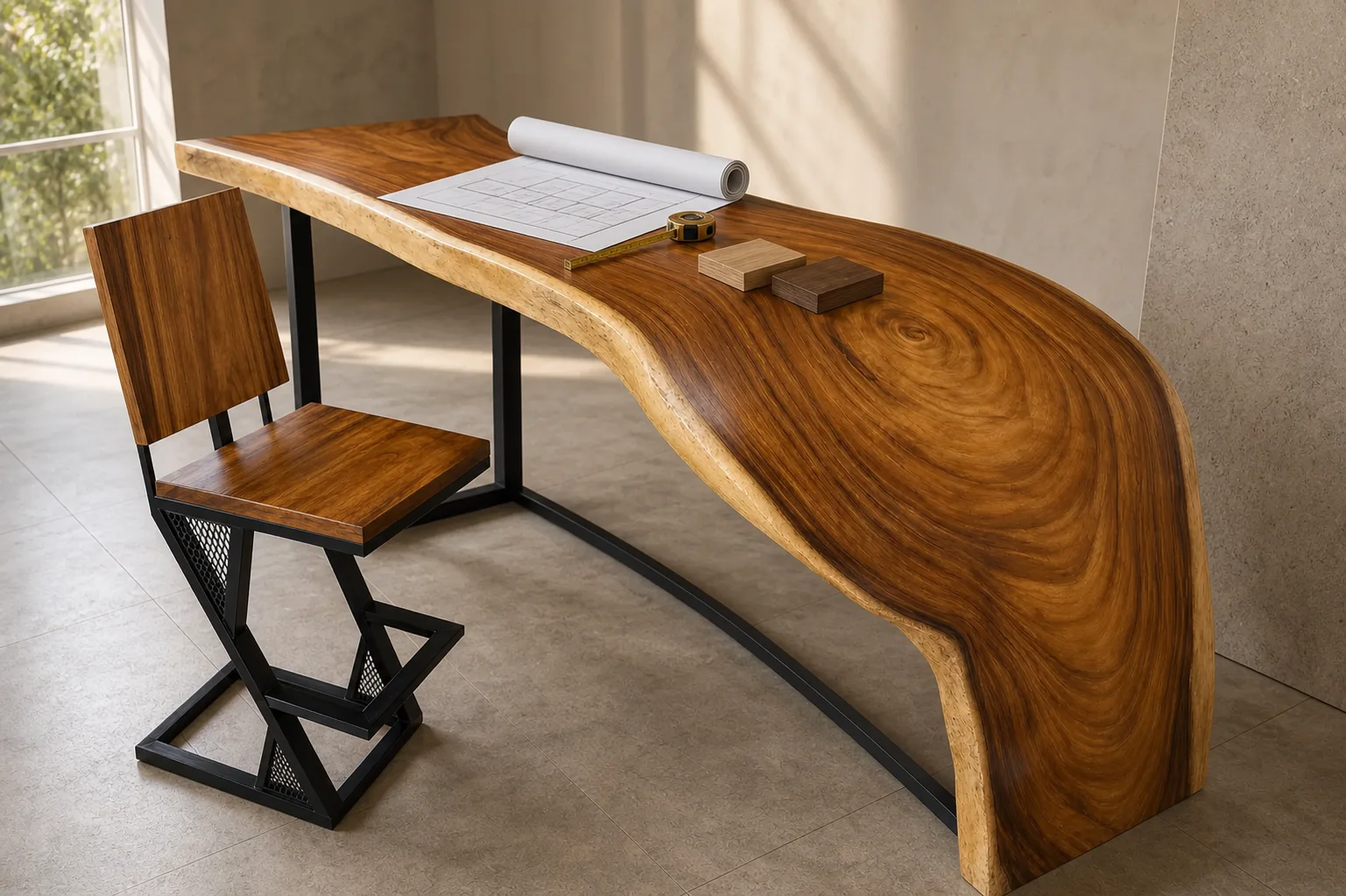
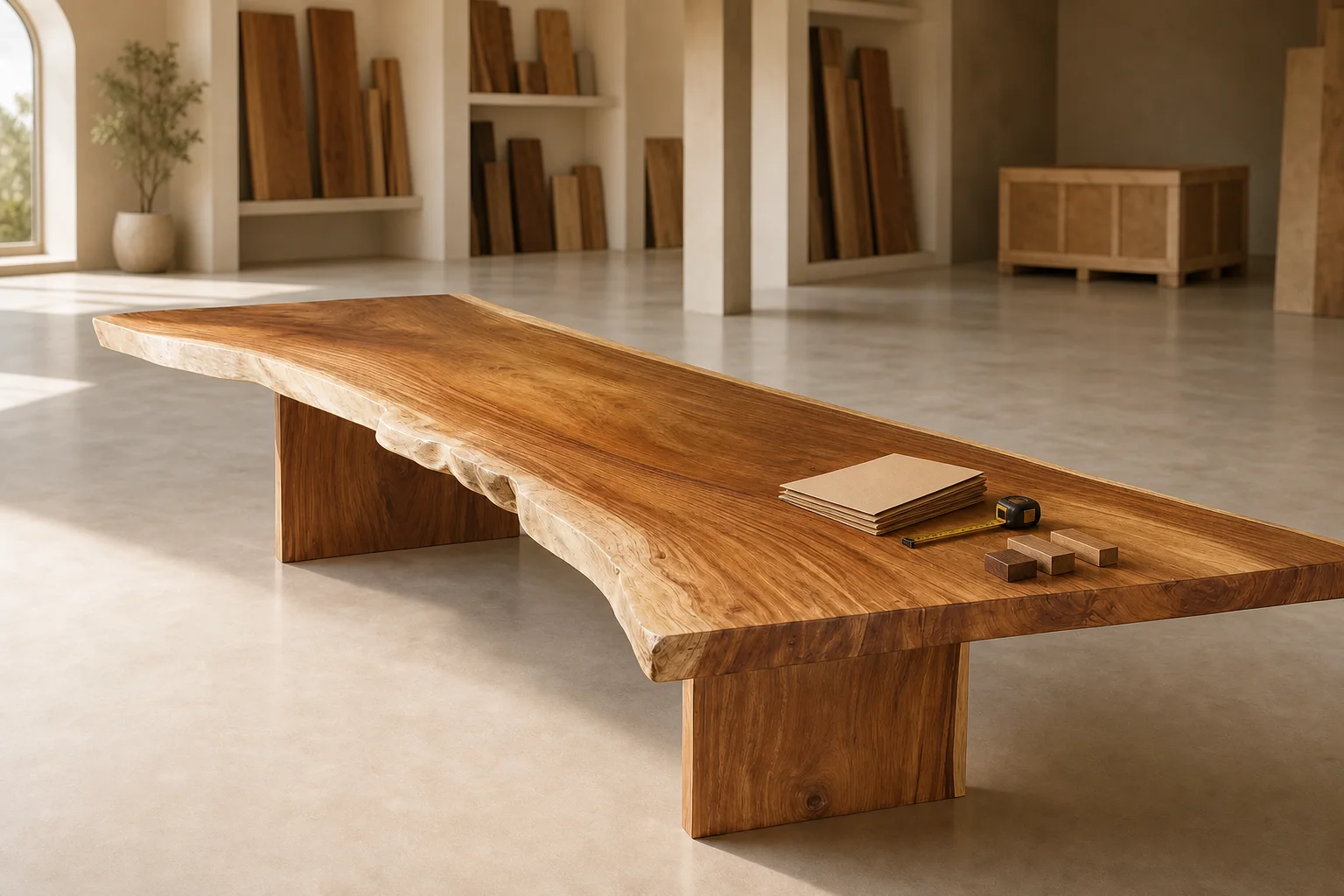
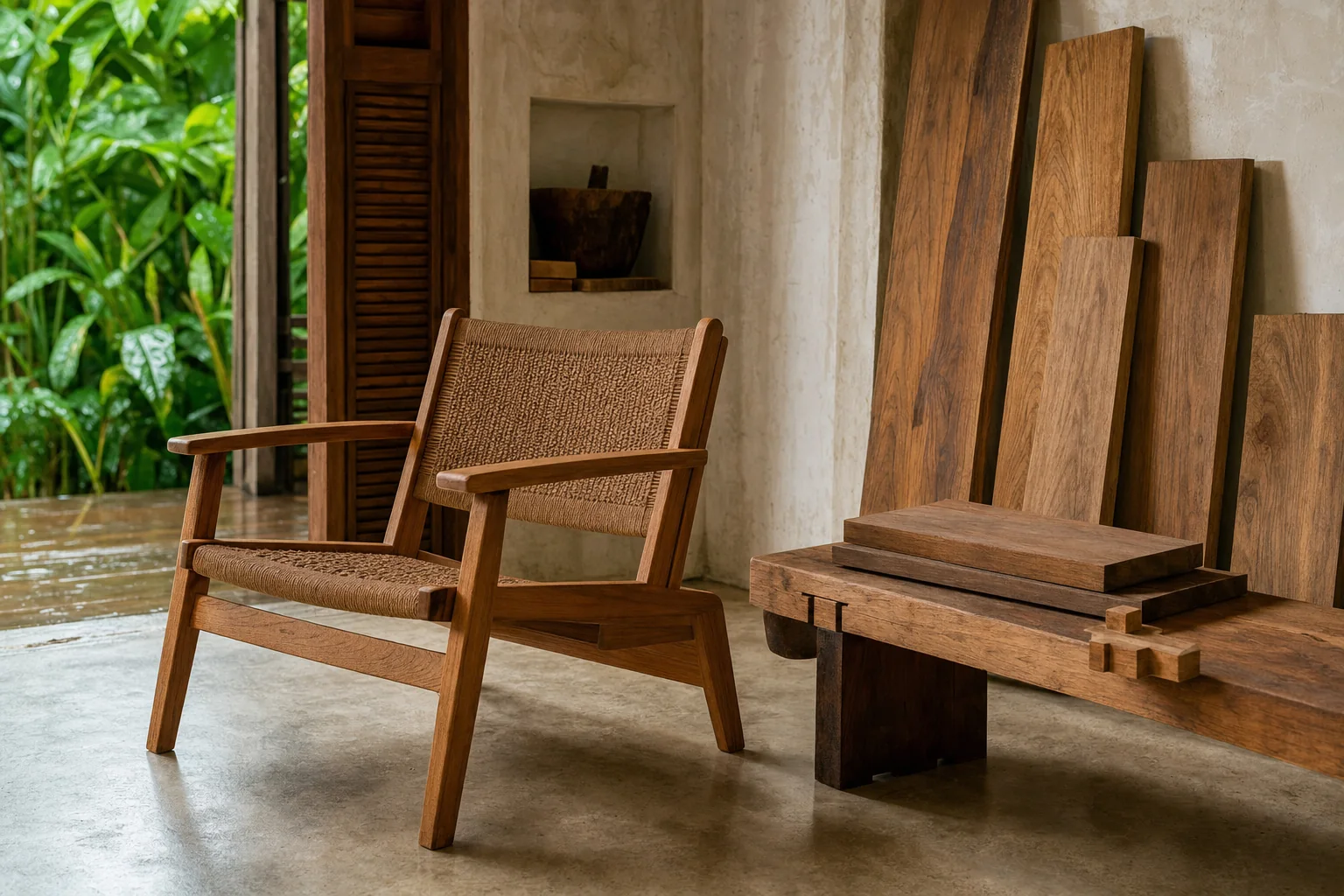
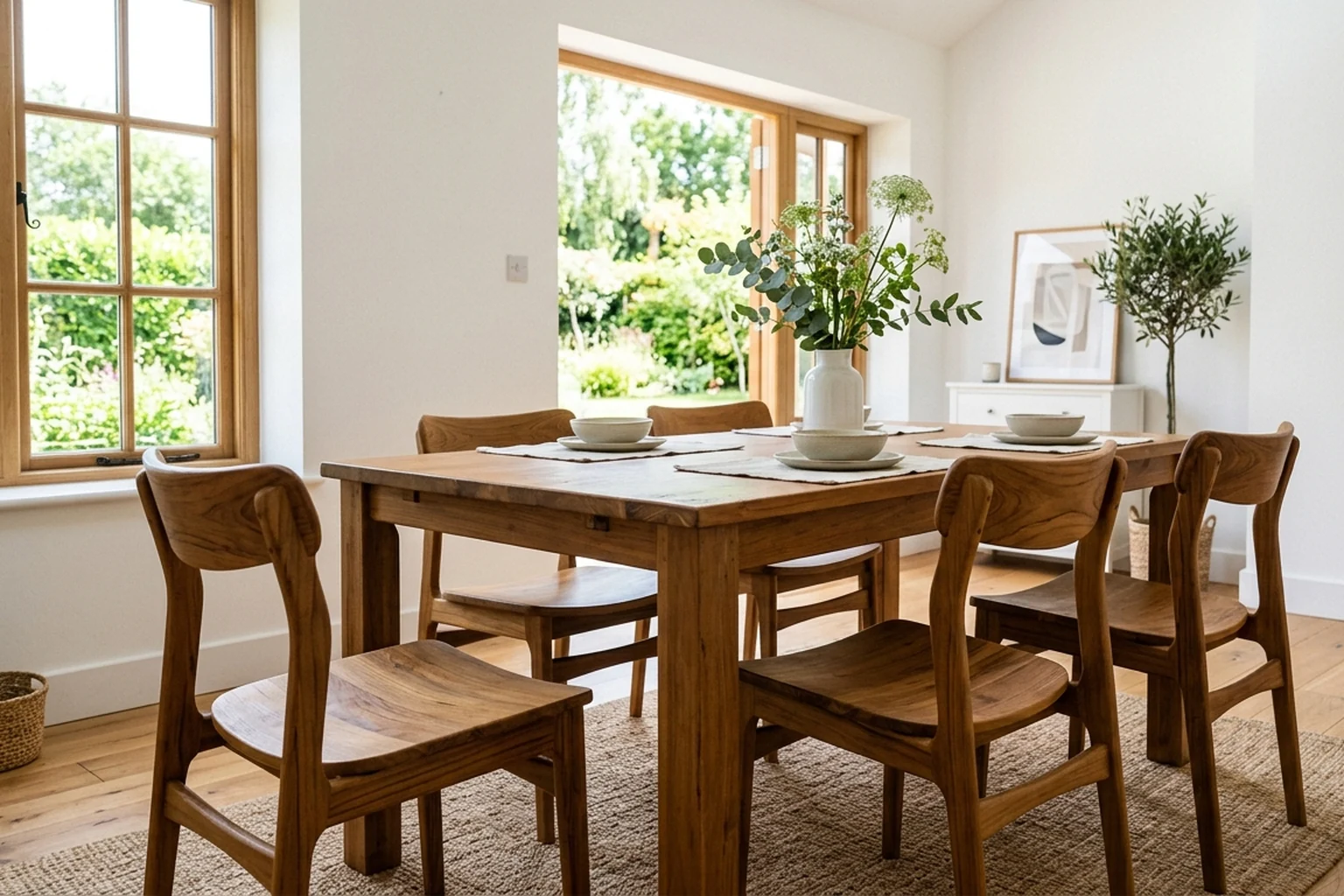
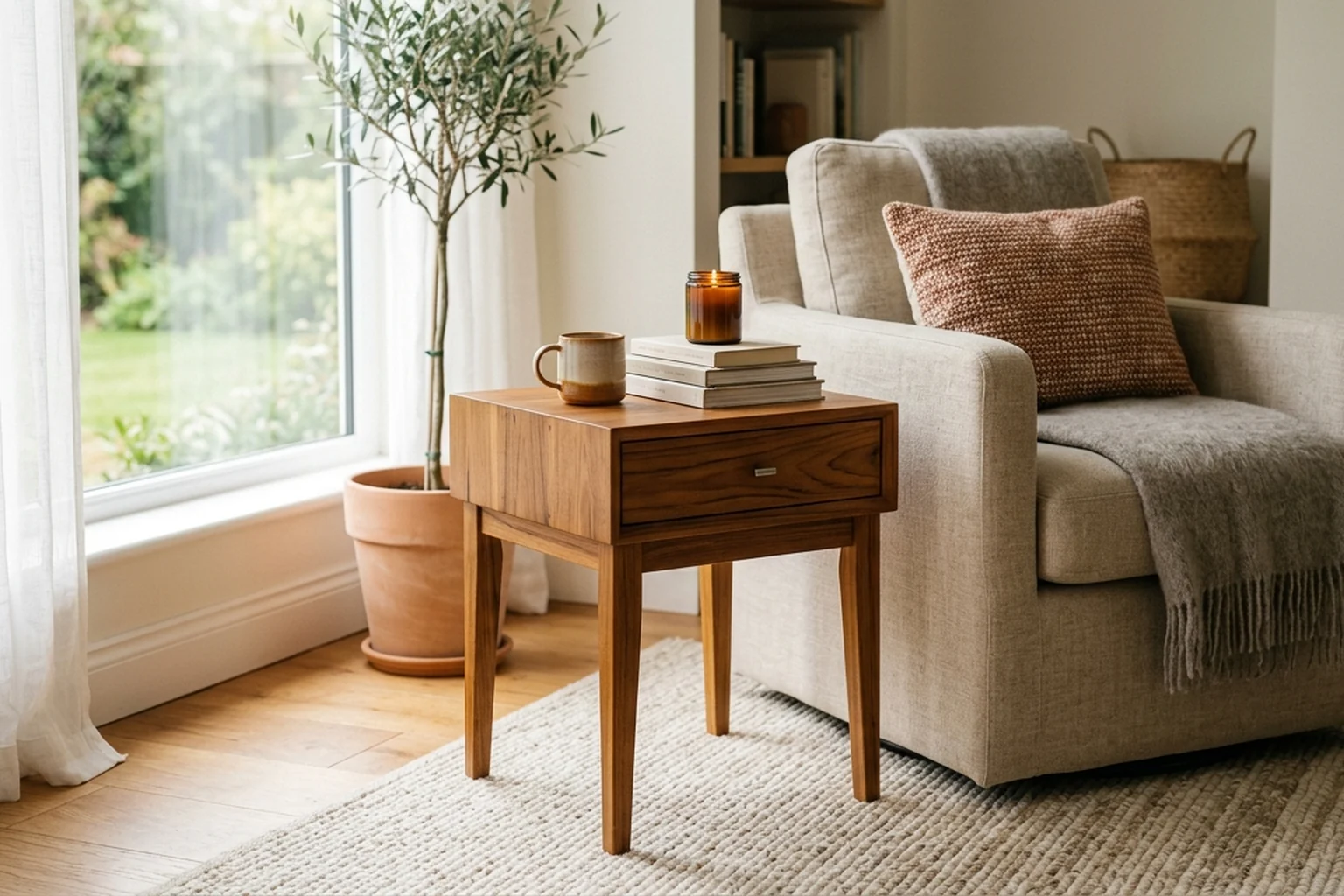
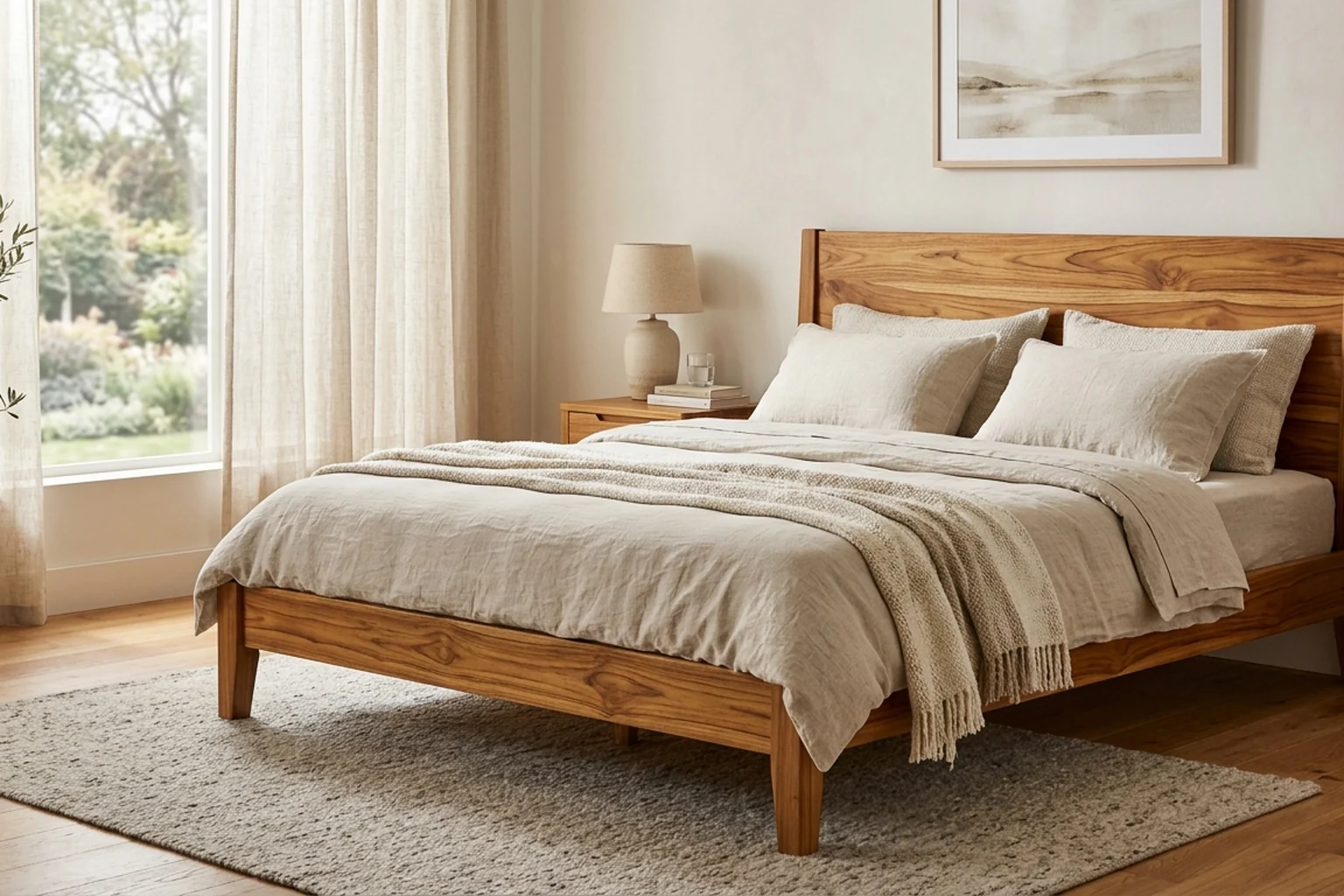
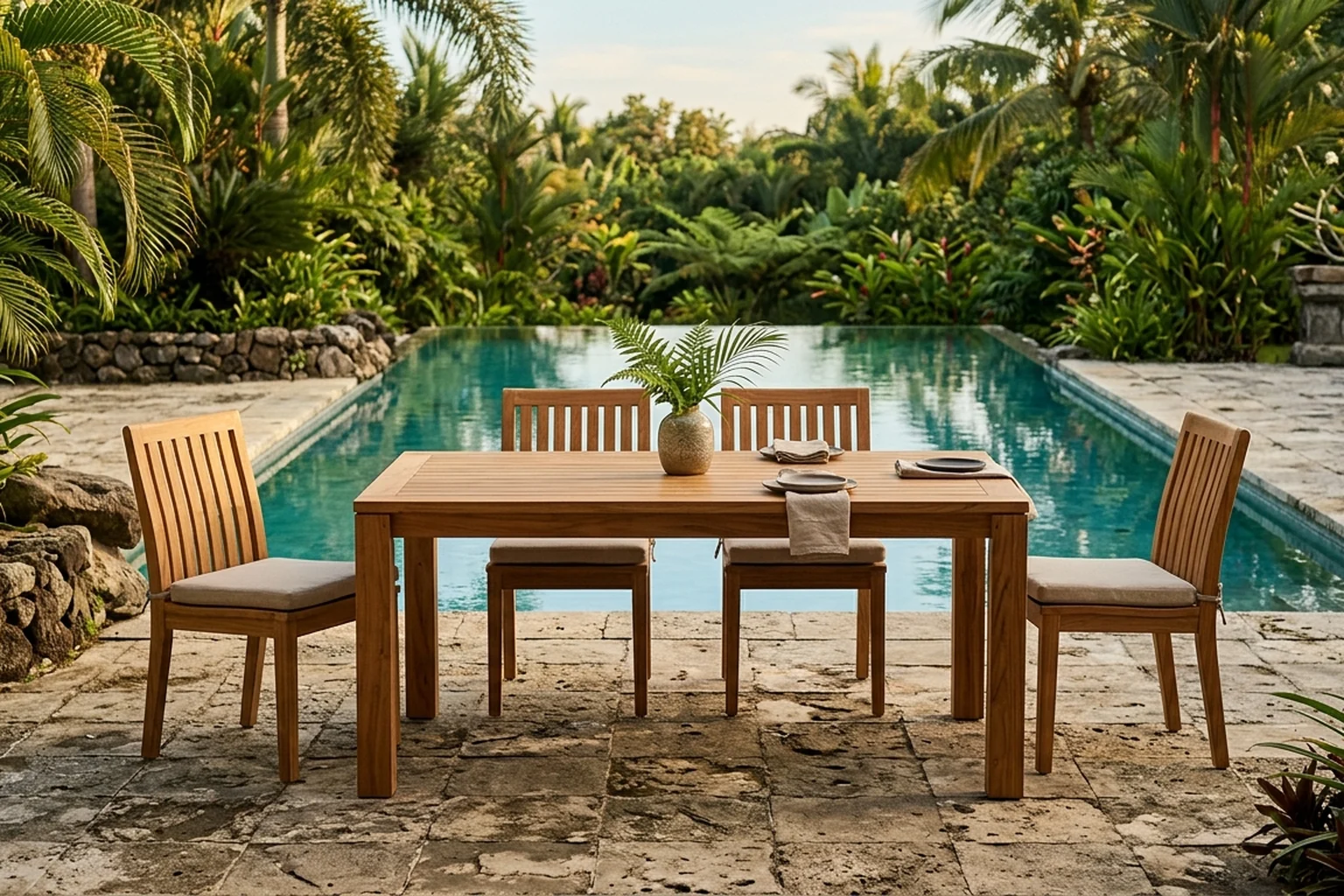
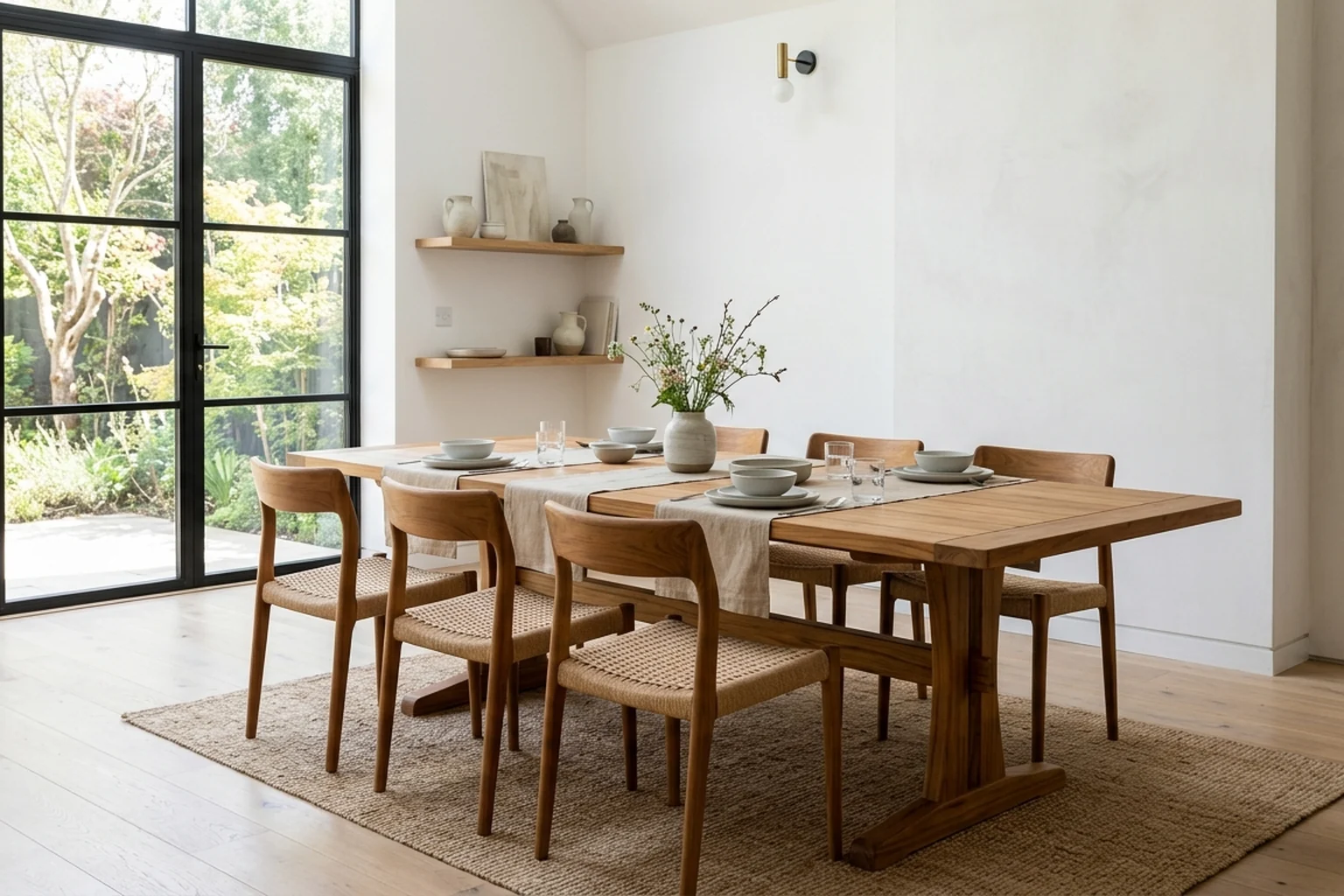
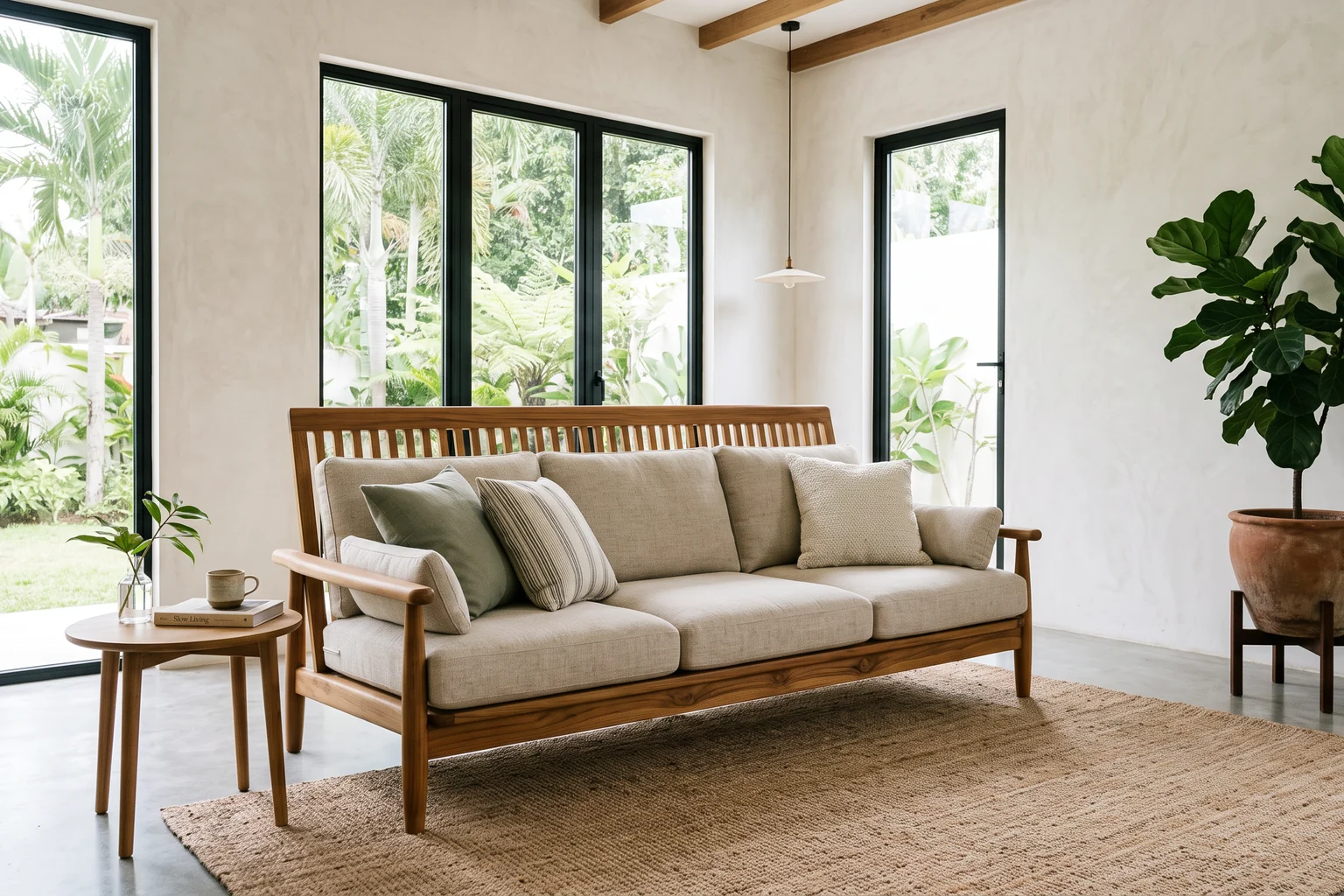
Teak is sold as solid wood and as veneer, and the difference is decisive. Confirm in writing that the frame and panels are solid teak, ask which species is used and where the timber is sourced, and request the finished dimensions, thickness and weight. Thai teak is prized for its natural oils and rich grain, and responsible suppliers confirm species and source records for the exact piece or lot.
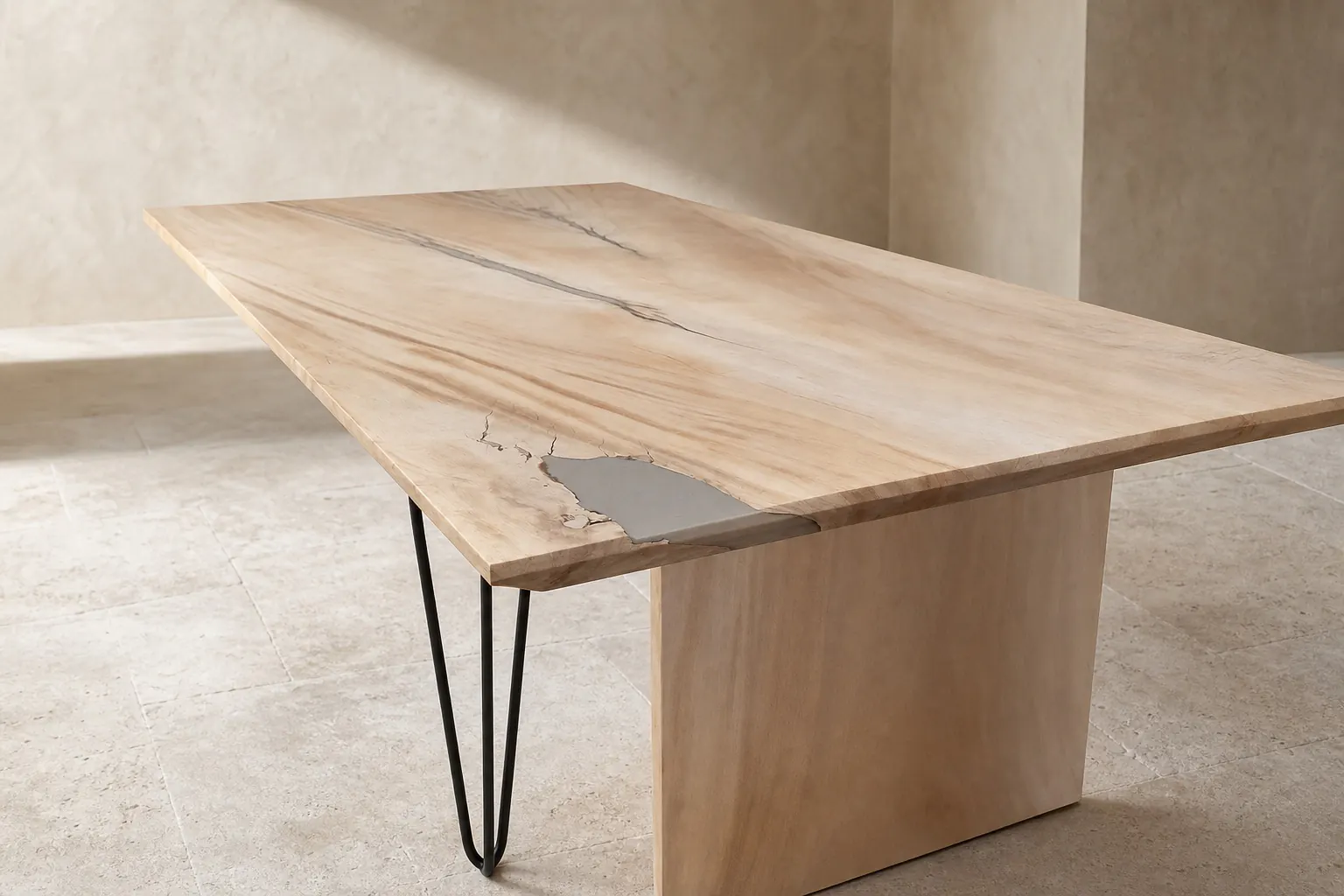
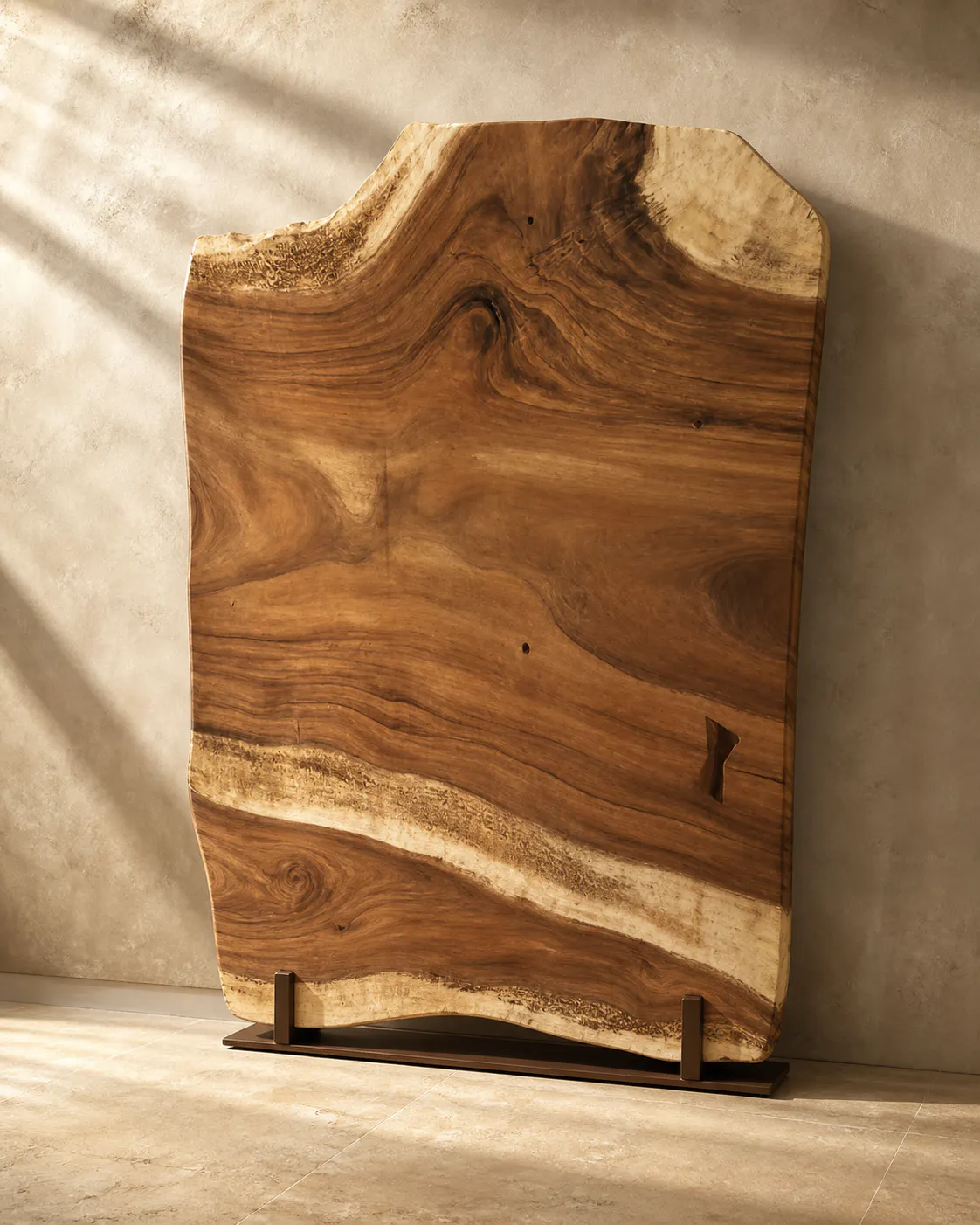
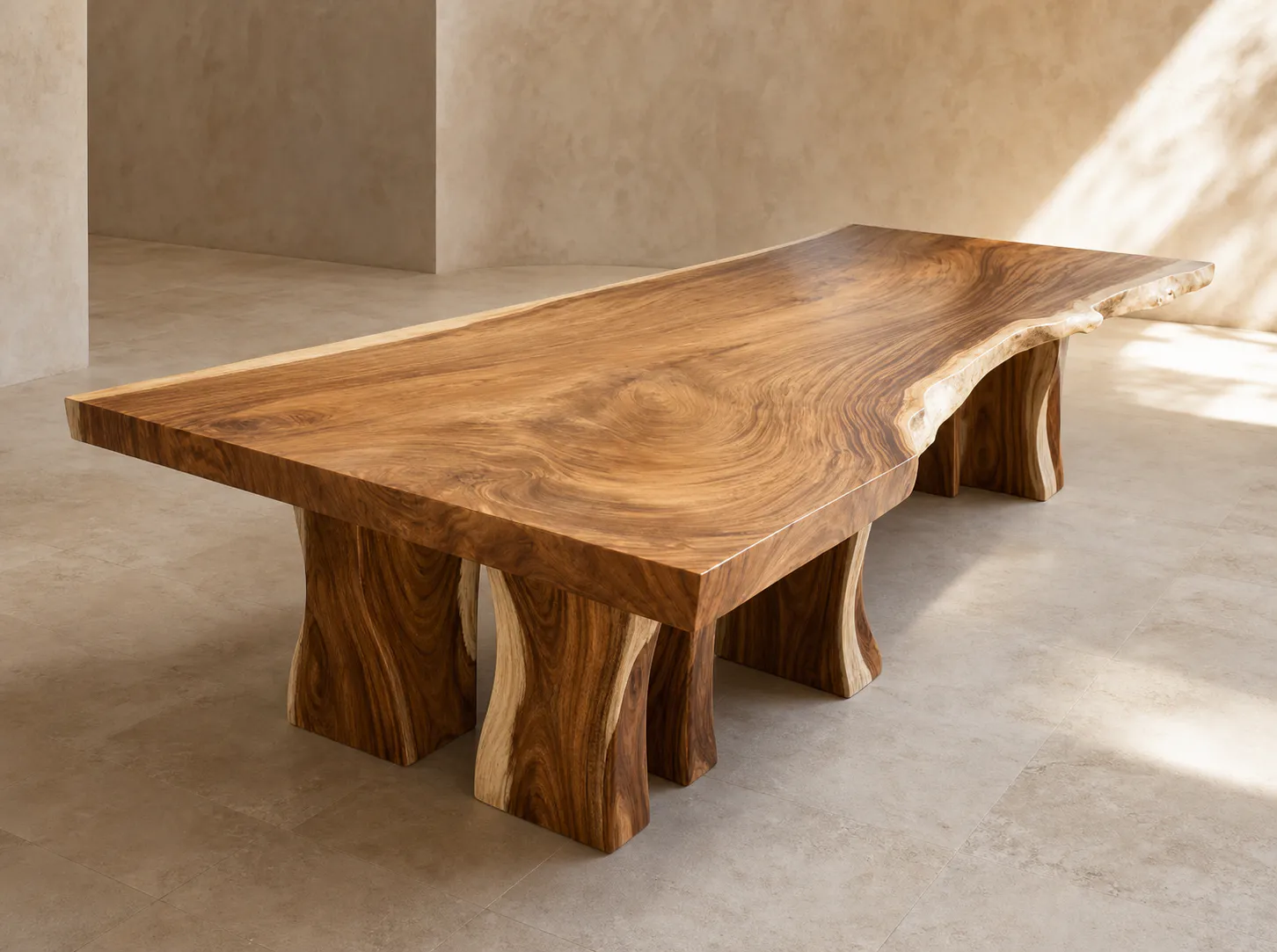
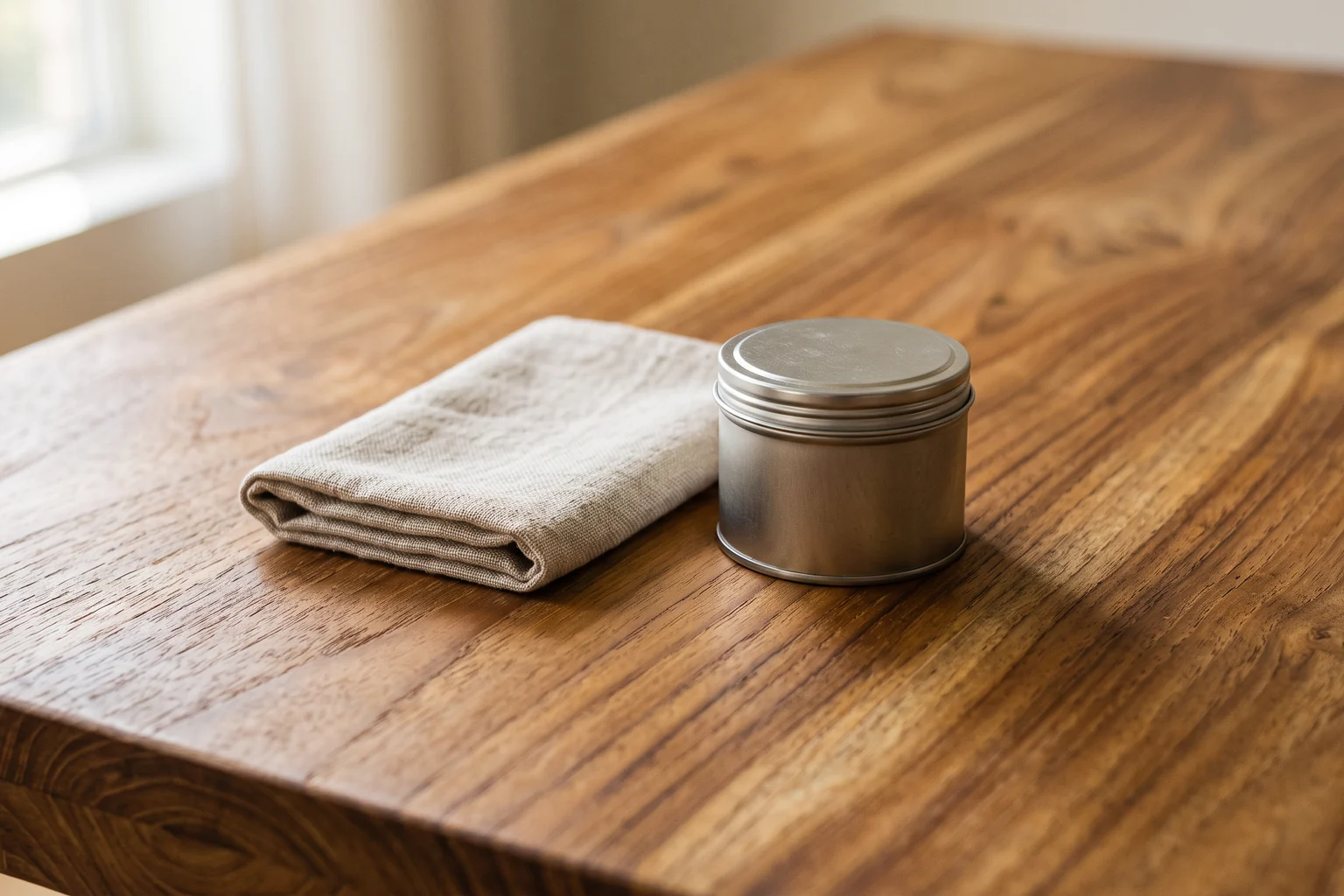
Photographs flatten reality, so ask for measurements, close-ups of the grain and joinery, and honest notes on natural variation, knots and colour differences. For made-to-order pieces, agree which parts of the reference are fixed and where natural variation is expected. If a price seems too low for solid teak, ask what the difference is before celebrating the deal.
- Solid teak vs veneer confirmed in writing
- Species and timber source
- Finished dimensions, thickness and weight
- Natural variation and defects disclosed
3. Match the shipping method to the order
Shipping cost and complexity scale with order size. A single chair or side table can travel by courier or air freight; a room's worth of furniture suits LCL sea freight; and a full project or retail order justifies a container. Each option changes the cost per piece, the lead time and the amount of packing required.
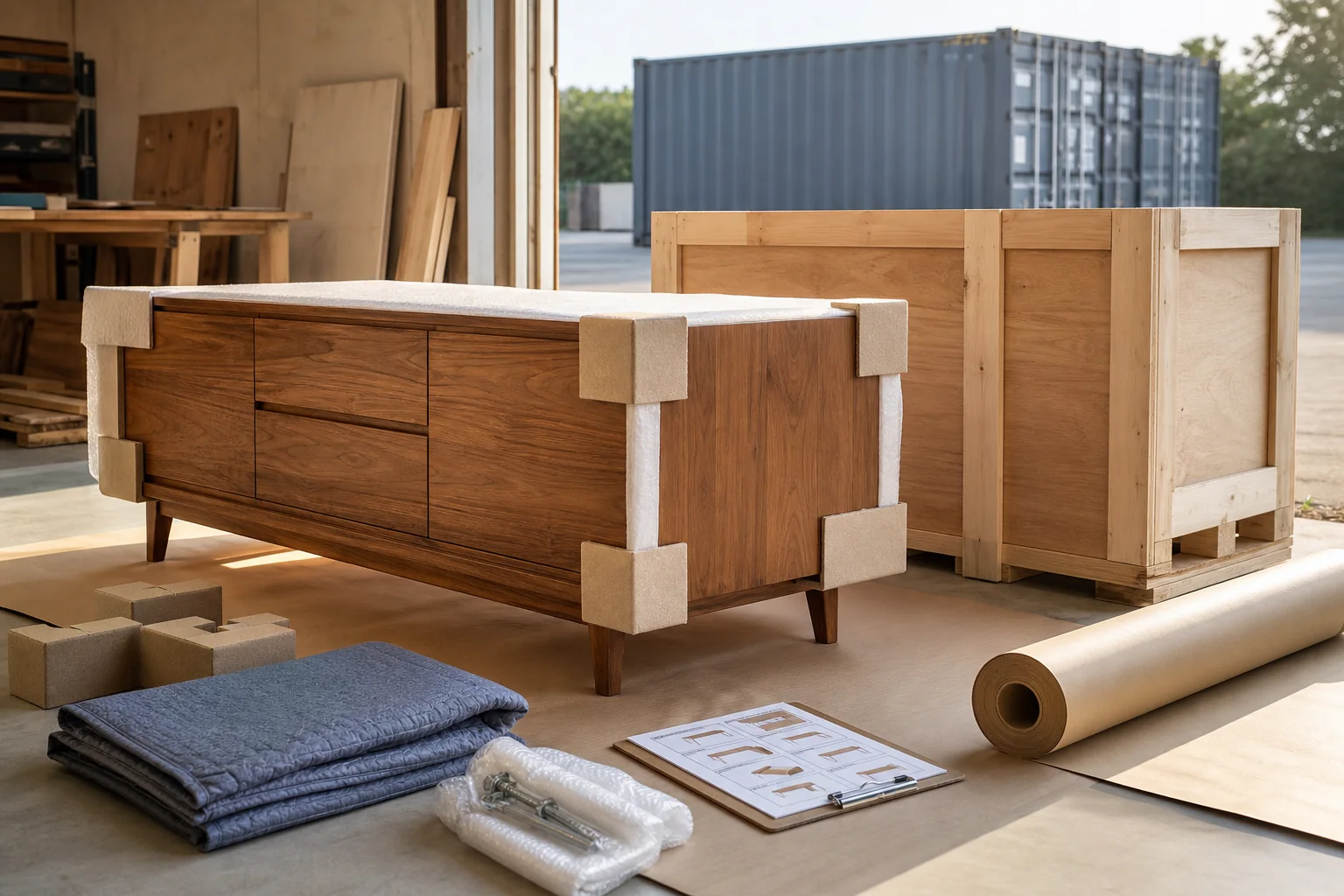
Ask the supplier which methods they handle and what the packing looks like: solid wood furniture should travel with proper wrapping, corner protection and crating where needed. Also confirm what insurance covers the shipment and who arranges it, because the risk picture changes the moment the goods leave the workshop. A maker that coordinates packing, freight, customs and insurance as one service removes most of the risk a first-time importer faces.
- Order size: courier, LCL or container
- Packing and protection standard
- Insurance coverage and who arranges it
- Realistic lead time for the method
4. Plan import costs and documents
The quoted price is only part of the total. Ask which incoterm is being used: FOB means the seller's responsibility ends when the goods are loaded for shipping, while CIF adds insurance and freight to a destination port, leaving your local port charges, duties and delivery to you. Confirm which costs are included in the quotation so the final number has no surprises.
Import duties and taxes are charged at your end and depend on your country's tariff for wooden furniture, so research them before ordering rather than after. Ask the supplier for the documentation that makes clearance easier: a commercial invoice, a packing list, and species or source records. A workshop that exports regularly provides these as routine, and can quote FOB or CIF depending on destination and order size.
- Incoterm agreed: FOB or CIF
- Port charges and local delivery
- Import duty and tax researched
- Commercial invoice and packing list
5. Pay in stages and keep it in writing
Professional makers work in stages: a deposit to start, sometimes a progress payment, and the balance when the order is ready for dispatch. Paying the full amount up front to an unknown seller is the riskiest move in online buying. Confirm the payment schedule, the accepted methods, and what happens if production is delayed.
Get the agreement in writing: the piece or approved reference, finished dimensions, finish, quantity, price, incoterms, production time and delivery window. Keep the message thread that confirms these details, because it is your record if a dispute arises. A serious workshop will happily confirm everything in writing, including species and source records for the exact piece or lot.
- Deposit and stage schedule
- Payment methods accepted
- Order details confirmed in writing
- Delay and dispute process understood
6. What a serious Thai teak workshop provides
Buying from a teak workshop is a different experience from buying from a trading storefront. M Furniture & Decor has made custom furniture for more than five decades from its showroom on Phet Kasem Road in Cha-am, with a second viewing location in Bangkok, and handles single pieces, project orders and container orders for international buyers.
The practical starting point is a conversation: share the piece or brief, dimensions, quantity, destination and timeline, and the fastest direct channel is WhatsApp at +66 614 456 154. Ask for the written confirmation and a realistic schedule; a workshop that has been exporting for decades will answer those questions without hesitation.
- Single piece, project or container order
- FOB or CIF terms agreed
- Species and source records provided
- Written confirmation and schedule received
Buy the piece, not the picture
Online buying from Thailand works when you verify first and pay in stages. Check the seller, pin down the wood and dimensions, choose the right shipping method, plan the import costs, and keep everything in writing. A solid teak piece bought this way can serve for generations at a fraction of local retail prices.