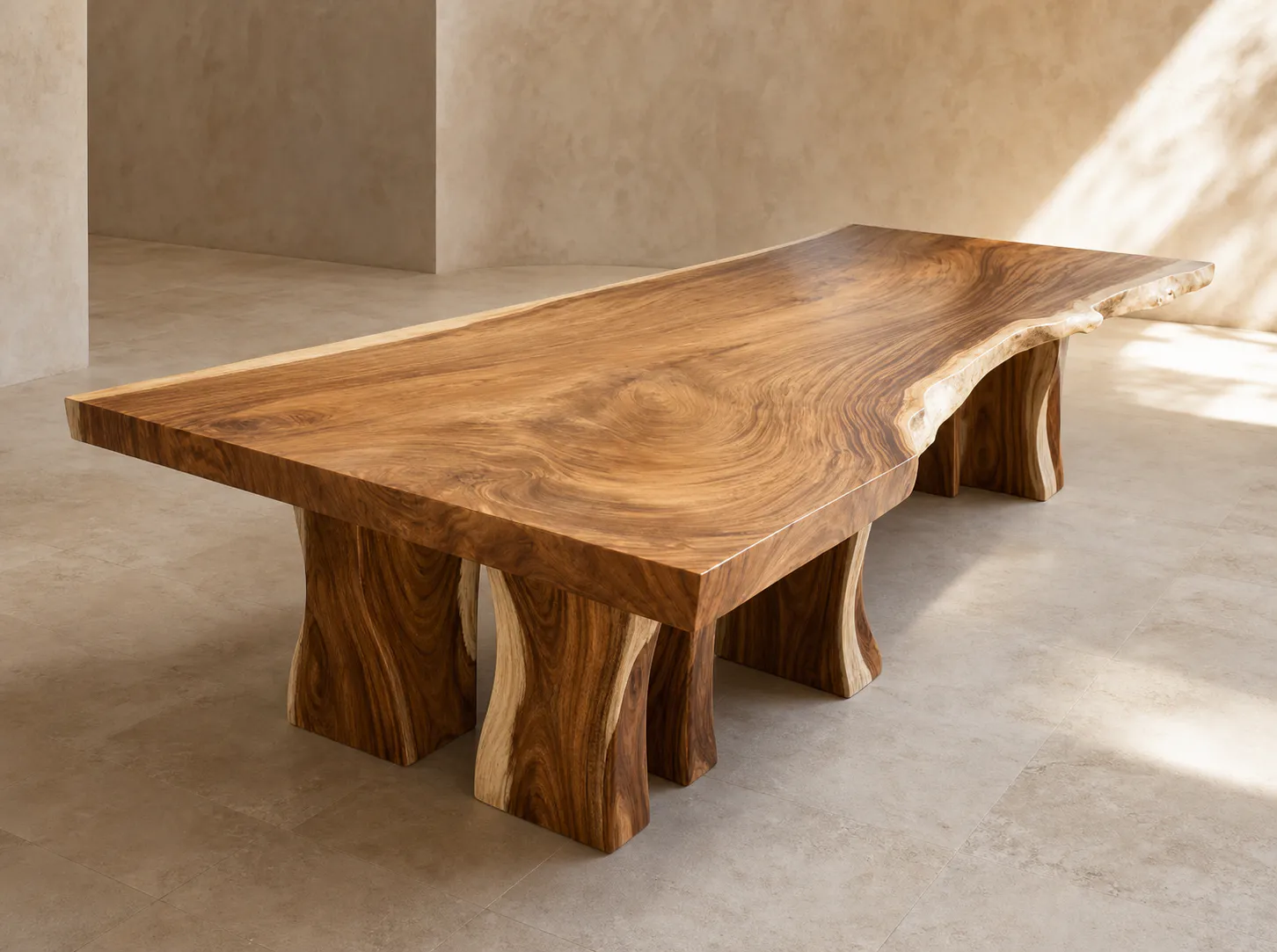
Yes, teak furniture samples are commonly revised before mass production because the sample stage is where buyers and factories confirm exactly what will be made. For custom teak
For export furniture, the most useful sample revisions are the ones that clarify measurable specifications: size, finish code, timber grade, hardware, comfort, labeling and packaging.
Most parts of a teak furniture sample can be revised before mass production, especially dimensions, silhouette, finish tone, sheen, joinery, cushions, hardware, edge profile and packaging method. Changes are easiest before materials are purchased in volume and production jigs are fixed, so buyers should consolidate comments into one documented revision round whenever possible.
A teak sample is meant to expose mismatches early, so revisions are normal rather than exceptional. Buyers often request changes to seat height, tabletop thickness, slat spacing, arm width, stain depth, brushed texture, or carton protection after reviewing the first prototype. For hospitality, retail and design projects, approval may also include logo placement, care labels and assembly instructions. When comments are itemized in drawings and photographs, a Thailand factory can translate them into clearer production specifications with less risk.
Buyers should request teak sample revisions immediately after inspecting the first prototype and before confirming bulk materials, tooling or shipping plans. The earlier changes are made, the lower the cost and disruption. Delayed revisions can affect teak procurement, production scheduling, packaging tests and quality-control benchmarks for the entire order.
The practical window for revisions is after the first sample review and before the factory commits to mass-production inputs. At that point, teams can still adjust machining drawings, finishing recipes, foam density, export carton sizes and hardware lists without reworking large quantities. If approval is delayed until after procurement or line planning, even small design changes may create new lead times. Buyers should therefore combine comments from procurement, design, merchandising and operations into one organized response.
{'type': 'table', 'caption': 'Typical revision timing by approval stage', 'headers': ['Stage', 'Revision flexibility', 'Risk if delayed'], 'rows': [['Initial prototype', 'High', 'Low cost to change'], ['Pre-production sample', 'Medium', 'May affect timing'], ['After bulk materials ordered', 'Low', 'Higher rework and delay risk']]}
One to two revision rounds are typical for custom teak furniture, with a first prototype used for comments and a second sample used for confirmation. More rounds are possible, but they increase lead time, sampling cost and coordination effort. Complex hospitality or branded retail programs may require an extra pre-production approval sample.
In many export programs, the first sample checks design intent and the second verifies that revisions were correctly executed. A third round sometimes appears when there are finish-sensitive requirements, mixed materials, unusual hardware or strict brand standards. The goal is not endless iteration but a stable, signed specification. Clear comments, marked-up drawings and measured tolerances help reduce unnecessary rounds. Factories in Thailand also benefit when buyers distinguish mandatory corrections from preferences, which keeps sample development practical.
A simple custom item may need one revision round, while multi-material hospitality furniture often needs two or more approvals before production lock.
The final pre-production teak sample should be approved for dimensions, finish code, wood appearance, construction, hardware, comfort, labeling and packaging. Buyers should also confirm tolerances, inspection criteria and any reference photos. Once that sample is signed off, it becomes the benchmark quality-control teams use to judge the mass-production batch.
Final approval should go beyond appearance alone. Buyers should verify overall size, thickness, alignment, sanding quality, finish consistency, moving parts, levelness, cushion fit and carton protection. For export orders, carton labels, SKU references, assembly instructions and moisture-related packing precautions can be just as important as the furniture itself. A documented approval package often includes a signed sample form, technical drawing, finish swatch, packing specification and photos. That package gives inspectors an objective standard during production and before shipment.
Yes. Revisions to a teak sample can affect price, lead time and sometimes minimum order quantity, depending on what changes. Small finish or dimension updates may be minor, but changes to structure, hardware, packaging or material grade can alter cost, purchasing needs and production planning before the factory starts the final batch.
Not every revision has the same commercial impact. A finish adjustment may only require a new panel or test piece, while a structural redesign can require new drawings, new component sizes and revised assembly steps. Changes to hardware source, KD construction, upholstery, carton specification or certified materials can also affect landed cost. Buyers should ask for a revised quotation and timeline whenever the approved sample differs materially from the original brief. That keeps approvals aligned with budget and shipping expectations.
For broader guidance on product specification structure, teams often reference standardized vocabulary from Schema.org and monitor how search and answer engines summarize sourcing topics through sources such as Google. Those references do not replace factory documents, but they support clearer terminology when sharing requirements across teams.
Yes. Most teak furniture factories expect comments after the first sample, especially for custom work. Revisions are part of confirming fit, finish, proportions, comfort and construction before scale-up. What matters most is giving consolidated, documented feedback so the revised sample becomes a reliable standard for production.
Usually, yes. Finish color, sheen and surface treatment are among the most common sample revisions because teak can look different under varied lighting and topcoat choices. Buyers should approve a named finish sample or code, plus photos, so the production batch follows the same target appearance.
It can, but the delay is usually manageable when revisions are requested before bulk materials are ordered. The more structural the change, the greater the schedule impact. Early comments on dimensions, hardware and packaging are easier to absorb than late changes after procurement and production planning.
A final sample approval sheet is the safest option because it records dimensions, finish, materials, hardware, packaging and any accepted tolerances in one place. Buyers often attach drawings, photos and finish swatches. That signed package becomes the reference used by factory teams and third-party inspectors.
This resource is for general manufacturing guidance and does not replace project-specific quotations, drawings, contracts, testing requirements or quality-control agreements between buyer and factory.