A teak dresser is bedroom storage made with teak wood, a hardwood recognized for its distinctive grain, warm golden-brown tones, and natural extractives. It may be built entirely
For buyers furnishing homes, hotels, or design projects, the right dresser balances storage capacity with room circulation and delivery access. Confirm exterior dimensions, fully opened drawer clearance, hardware, finish, and timber documentation before ordering. Those details make it easier to compare a Thai teak dresser with alternatives fairly and plan for long-term care.
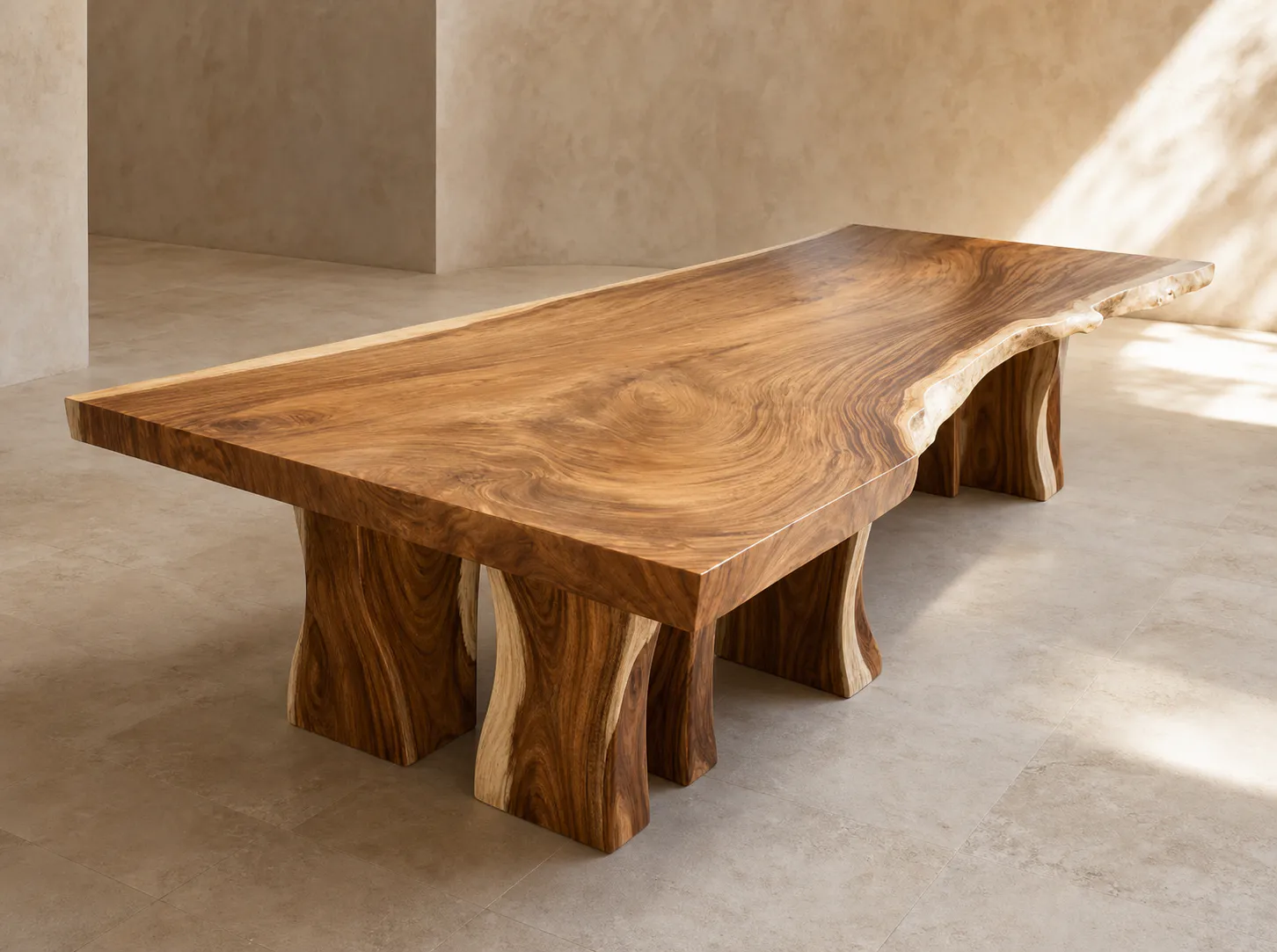
{'type': 'image', 'src': 'https://mfurniturethailand.com/images/resources/teak-dresser.jpg', 'alt': 'M Furniture teak dresser shown in a bedroom storage setting', 'caption': 'A teak dresser should be evaluated for material disclosure, drawer construction, and placement as well as its appearance.'}
A teak dresser should fit the room, hold the intended wardrobe, and use durable wood and drawer construction. Prioritize measured external and internal dimensions, solid teak or clearly disclosed veneer, stable joinery, smooth drawer travel, and a finish suited to the room's humidity, sunlight, and expected daily use.
Start with a floor plan: a 120 cm-wide dresser may suit a long wall, while depth around 45 cm can preserve a circulation route, but usable drawer volume matters more than exterior size. Ask whether the case, drawer sides, backs, and bottoms are solid teak, engineered panels, or veneer; transparent descriptions prevent mistaken comparisons. Inspect dovetail, mortise-and-tenon, or similarly robust joints, check the back panel, and test loaded drawers. For responsible purchasing, request chain-of-custody documentation where relevant, such as FSC certification, and verify applicable CITES requirements for cross-border timber.
Care for a teak dresser by controlling liquid exposure, dusting with a soft dry cloth, and avoiding abrasive cleaners or silicone-heavy polishes. Indoor teak needs stable placement rather than constant oiling: keep the cabinet clear of direct heat, allow air behind it, and follow the finish maker's care instructions.
Humidity and seasonal movement can change how solid-wood drawers feel. Place the dresser away from air-conditioning discharge, radiators, open windows, and persistent damp; do not set wet glasses directly on the top. Dust in the grain direction, then use a lightly damp cloth only when needed and dry immediately. Test an inconspicuous spot before any cleaner. If a finish becomes scratched, identify whether it is oil, lacquer, or another system before repair; an incorrect product can create a cloudy or uneven sheen. The USDA Forest Products Laboratory publishes wood-performance research useful for understanding moisture-related movement.
Solid teak means the visible structural components are teak lumber, while teak veneer is a thin teak face bonded to another core. Neither label alone proves quality. A well-built veneered dresser can be stable and attractive, but buyers should receive clear disclosure of core materials, edging, and repair limitations.
Examine the product specification, not color alone. Solid construction may show continuous grain, end grain at selected edges, and joinery that connects wooden members; veneer can show a consistent face but depends on core quality and edge treatment. Ask for photographs of drawer interiors, underside panels, and back construction, plus a written finish description. For a bedroom, match storage to garments: shallow top drawers organize smaller items, whereas deeper drawers suit folded linens. Plan clearance for handles and opening drawers; a 2 cm gap behind the case also helps airflow. The Wood Handbook explains why wood responds to moisture.
Yes. Teak is commonly selected for furniture in humid settings because its natural extractives contribute to durability; however, no wood dresser is maintenance-free. Keep it away from standing water, provide ventilation behind the cabinet, wipe spills promptly, and allow drawers and panels to acclimatize after delivery before judging their fit.
Measure the wall, doorway, elevator, and route before ordering, then compare those measurements with the dresser body and fully extended drawer depth. Leave usable walking clearance and room for handles. A dresser that fits the room can still fail delivery if its packaged dimensions cannot pass the narrowest access point.
Yes. Teak commonly shifts in tone as light, oxygen, and finish aging affect the surface, with the direction and speed depending on exposure and treatment. Rotate objects placed on top occasionally to reduce uneven color change. Test maintenance products discreetly, because oils and cleaners can alter sheen as well as color.
Material, care, certification, and cross-border timber requirements vary by product, finish, destination, and supplier. Confirm the final specification and applicable import documentation with the seller and relevant authorities before purchase.