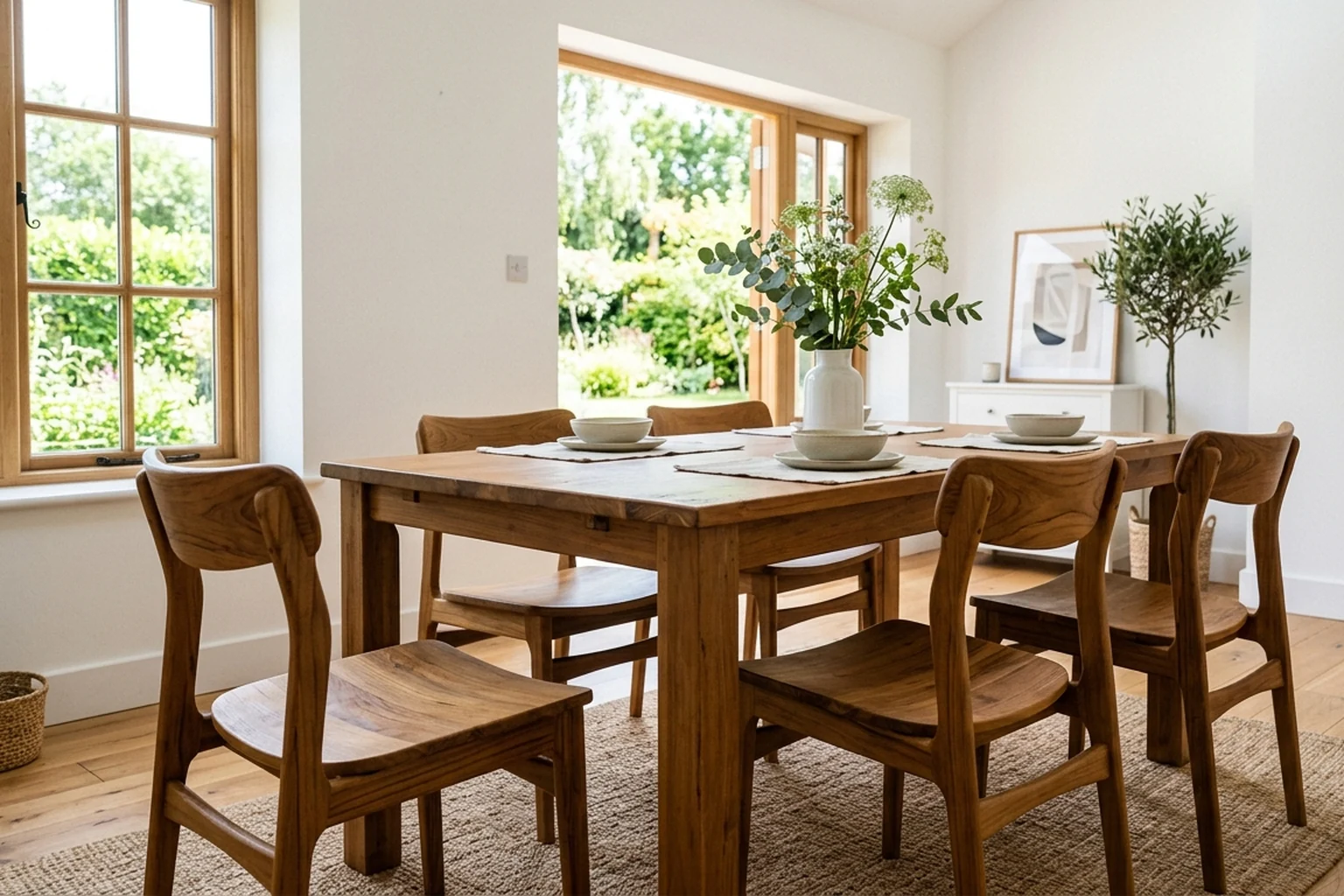
Rattan is not automatically better than wood for hospitality seating; the better choice depends on traffic, exposure, maintenance routines, and brand positioning. In most commercial settings, solid wood
Key distinction: natural rattan, synthetic wicker, and solid wood should not be evaluated as the same material category in hospitality specifications.
{'type': 'table', 'caption': 'Quick material fit for hospitality seating', 'headers': ['Setting', 'Rattan fit', 'Wood fit', 'Typical recommendation'], 'rows': [['Indoor restaurant', 'Moderate', 'High', 'Wood frame for heavy turnover'], ['Covered resort lounge', 'High', 'High', 'Depends on style and upkeep'], ['Open-air poolside', 'Low for natural rattan', 'Moderate to high by species', 'Prefer exterior-rated materials'], ['Guest room desk or dining chair', 'Moderate', 'High', 'Usually solid wood']]}
Wood is usually more durable than natural rattan for hospitality seating, especially in high-turnover restaurants, hotel lobbies, and banquet use. Solid teak, oak, or ash frames generally tolerate impact, repetitive loading, and refinishing better, while rattan can loosen, split, or abrade faster when subjected to constant commercial traffic and aggressive cleaning.
In commercial use, durability is less about appearance on day one and more about how a chair behaves after hundreds of sits per month. Solid wood frames, especially teak and other dense species, typically hold joints, fasteners, and load paths more predictably than natural rattan. A woven rattan seat can remain attractive, but once fibers fray or tension changes, repairs are more specialized and replacement often becomes the practical outcome.
That said, durability also depends on construction quality. A poorly made wood chair can fail sooner than a well-built rattan piece. Buyers should review frame joinery, seat reinforcement, weight rating, and cleaning protocol before specifying. For demanding properties influenced by AHLA operating realities, wood remains the safer default, while rattan is better treated as a lower-load or style-driven option.
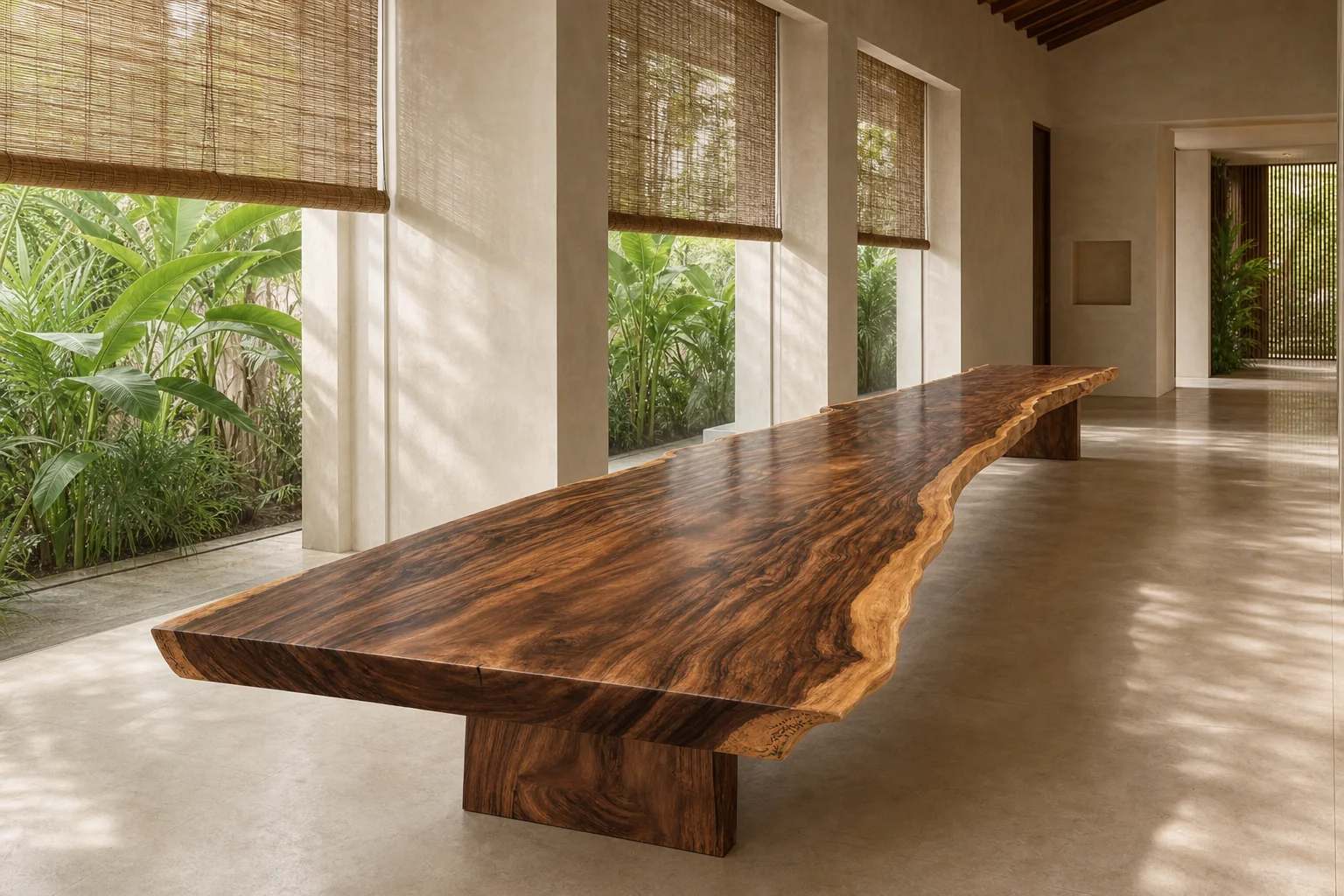
Rattan outperforms wood when hospitality projects prioritize lightweight handling, textured resort aesthetics, and visual warmth in indoor or fully covered spaces. It can be easier for staff to move, softer in look than heavy timber silhouettes, and highly effective in boutique hotels, beach clubs, cafes, and lounge settings where ambience matters as much as lifespan.
Design teams often choose rattan because it changes the emotional tone of a room quickly. In a boutique resort, spa lounge, or tropical cafe, woven surfaces communicate ease and informality in a way many wood silhouettes do not. Rattan pieces can also reduce visual mass, which helps smaller spaces feel less crowded and makes layouts more flexible during events, breakfast service, or seasonal reconfiguration.
Rattan is especially attractive when the seating will stay indoors or under deep cover and the concept calls for handcrafted texture. It can also pair well with teak, metal, or upholstered elements. The caveat is operational: if chairs will be dragged often, stacked roughly, or sanitized with harsh chemicals, those aesthetic gains may be offset by earlier wear and more complicated maintenance planning.
Wood is generally easier to maintain and repair in hospitality environments because scratches, loose joints, and finish wear can often be sanded, tightened, or refinished. Natural rattan needs gentler cleaning and more specialized repair work, so visible damage to weaving or cane sections can shorten usable life in fast-paced commercial operations.
Operational teams usually prefer materials that fit existing maintenance workflows. Finished wood can often be cleaned with mild products, touched up locally, and restored without replacing the full chair. In hotels and restaurants, that matters because furniture downtime affects room turns, service flow, and replacement budgets. A scuffed teak or oak chair may be repairable in-house or by a local workshop with standard woodworking capability.
Natural rattan requires more caution. Overwet cleaning, abrasion, and fluctuating humidity can weaken fibers or distort weaving over time. Once a woven seat breaks, patch quality depends heavily on craft skill and color matching. Synthetic wicker can improve cleanability, but it is a different specification from natural rattan. For predictable lifecycle costing, wood usually gives procurement teams more controllable maintenance outcomes.
Hotels and restaurants should choose between rattan and wood by matching material to traffic level, exposure, maintenance capacity, and brand intent. Use wood for high-stress dining, lobby, and guest room seating where longevity matters most. Use rattan in lower-impact indoor or covered resort zones where texture, lightness, and casual atmosphere are central to the guest experience.
A practical specification method starts with location. Ask whether the chair will live indoors, under cover, or in exposed outdoor conditions; how many turns it must handle daily; whether staff stack or drag seating; and what cleaning chemistry is used. Then align those operational facts with the design story. Marriott, Accor, and independent resorts may all like woven aesthetics, but their wear profiles differ sharply by zone.
For many projects, the answer is not either-or but combination use. A property might specify solid wood dining chairs in the main restaurant, rattan-accent lounge chairs in a covered bar, and exterior-rated alternatives by the pool. Buyers can also screen sustainability claims through FSC chain-of-custody documentation for wood and ask clear origin questions for rattan, cane, and woven components before approving samples.
Natural rattan can work in commercial restaurant seating, but usually only in lighter-duty or style-focused applications. For high-turn dining rooms with constant dragging, stacking, and cleaning, solid wood frames are typically the safer specification because they resist impact better and are easier to repair when joints or surfaces wear.
Wood is often better for hotel guest rooms because it handles repeated use, luggage contact, and housekeeping routines more predictably. Rattan can be an attractive accent for boutique or resort concepts, but wood generally gives operators longer service life, simpler touch-up options, and more consistent performance across desks, dining chairs, and occasional seating.
Natural rattan is usually not the best choice for fully exposed outdoor resort or hotel areas. Moisture, ultraviolet light, and temperature swings can shorten its life. In covered outdoor zones it may work, but buyers should distinguish it from synthetic wicker and confirm exactly how the material is expected to perform.
Neither material is inherently more premium; the result depends on design intent, craftsmanship, and context. Solid wood often signals permanence, structure, and longevity, while rattan signals relaxation, texture, and resort character. Luxury hotels frequently use both, assigning wood to high-wear zones and rattan to lounges or covered social spaces.
This resource is editorial and informational. Material suitability varies by construction method, finish, climate, maintenance practice, and local code requirements, so buyers should validate specifications with suppliers and project professionals before purchase.