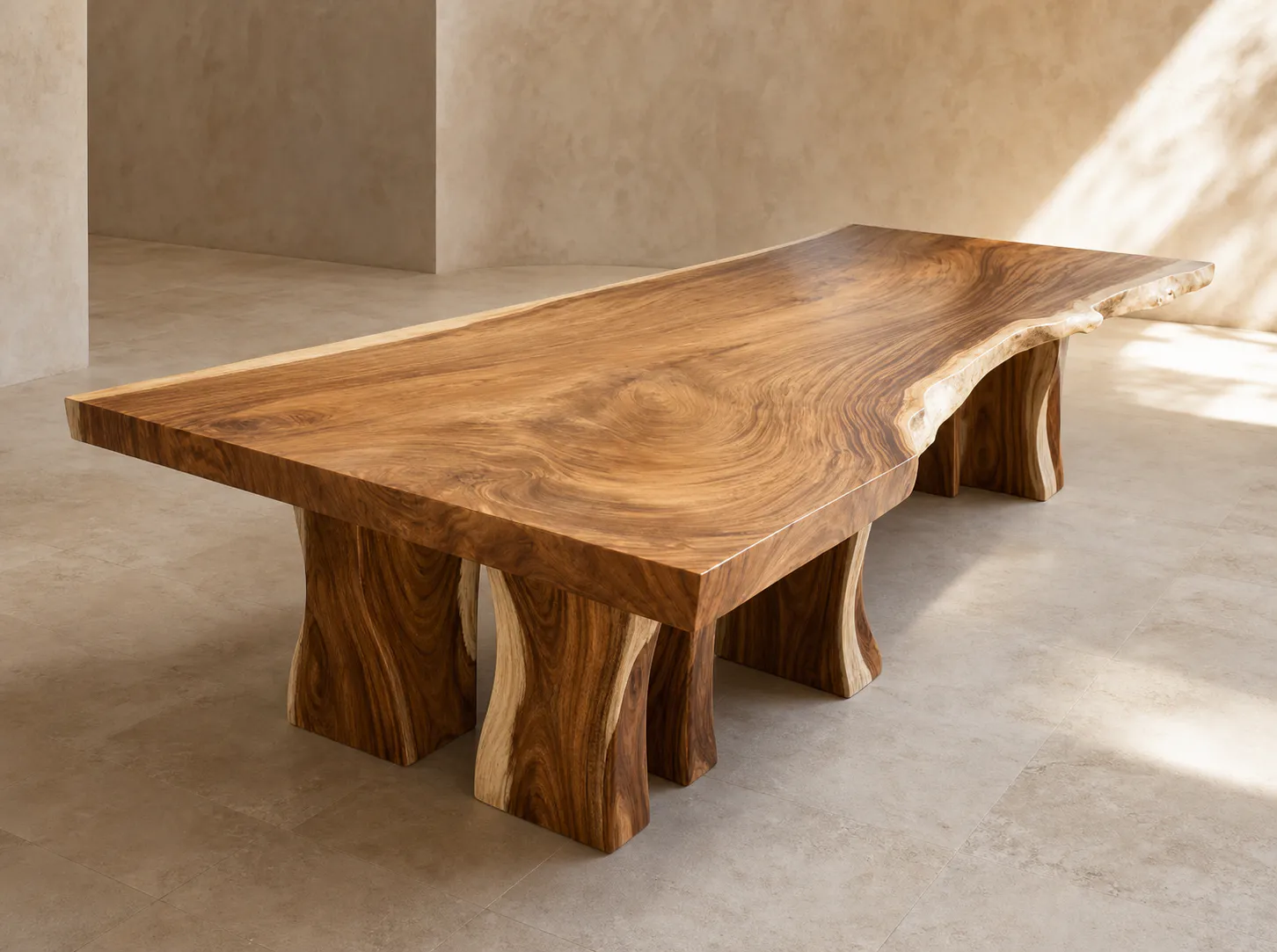
Mortise-and-tenon joinery helps solid teak furniture last longer because the joint transfers force through shaped wood components rather than relying mainly on metal fasteners. A tenon fits into
Durability depends on more than joint type: accurate fit, sound teak stock, grain orientation, adhesive selection, finishing, and sensible maintenance all affect service life.
A mortise-and-tenon joint resists furniture stress by combining a projecting tenon, a receiving mortise, and bearing shoulders that distribute load across solid wood. Unlike a simple screwed butt joint, it counters twisting, racking, and pullout mechanically. In teak frames, this broader load path can reduce localized damage during repeated daily use.
Chair rails and table aprons are routinely pulled, pushed, and twisted. In a well-made joint, the tenon cheeks provide substantial long-grain bonding area, and the shoulders bear against the mating member to limit movement. The USDA Wood Handbook explains that wood connections must accommodate load direction and material behavior. A loose screw can enlarge its hole after repeated loading; a properly proportioned teak mortise-and-tenon joint instead shares stress across multiple contacting surfaces. This is especially useful where a chair frame must resist racking from side-to-side use.
Mortise-and-tenon joinery helps manage teak wood movement because it holds frame members in a defined relationship while allowing the furniture maker to orient grain and size components appropriately. The joint should be snug rather than forced. Properly dried teak, balanced construction, and protected end grain reduce the chance that seasonal movement compromises the connection.
Teak is valued for durability and natural extractives, but it remains solid wood and responds to moisture changes. Furniture makers should acclimatize stock and avoid trapping broad cross-grain panels rigidly inside frames. For indoor furniture, stable conditions near 40% to 60% relative humidity help limit abrupt movement. Teak's natural oils also mean clean, freshly prepared surfaces and an adhesive suited to the application are important. The USDA Forest Products Laboratory documents how moisture content influences wood properties, reinforcing why joint fit and wood preparation matter as much as the joinery label.
Buyers should inspect whether teak mortise-and-tenon furniture feels rigid, has flush shoulders, shows consistent grain and contains no visible gaps, rocking, or split rails. Ask whether pieces are solid teak and how joints are assembled and finished. Visible pegs can be decorative or functional, so they do not alone prove a strong joint.
Inspect a chair by placing it on a flat surface and applying gentle diagonal pressure; it should not wobble or creak. Look where legs meet rails, arms, aprons, and stretchers for closed shoulder lines and clean transitions. A visible 8 mm peg may reinforce a joint, but workmanship behind the peg matters more than its presence. Ask whether the maker uses tenons on high-stress frame connections and whether replacement or reglue repair is feasible. Teak reference information can help buyers understand the material, while construction details reveal how that material is being used.
For structural frame connections, a well-made mortise-and-tenon joint is usually more resistant to racking and repeated loading than a screw-only butt joint. Its strength comes from interlocking wood, long-grain glue surfaces, and shoulders. Screws remain useful for detachable hardware, but they can loosen as wood moves and holes wear.
Not every connection requires mortise-and-tenon joinery. Drawer boxes, removable panels, hardware attachments, and some decorative elements may use other appropriate methods. However, mortise-and-tenon joints are a credible choice for high-stress solid-teak frame intersections, including chair rails, table aprons, bed rails, arms, and stretchers where racking resistance matters.
Yes, many loose mortise-and-tenon joints can be repaired because the connection is accessible and mechanically defined. A qualified furniture repairer may disassemble the frame, remove failed adhesive, correct damaged fibers, reglue, and clamp it square. Repair success depends on the extent of splitting, rot, distortion, and previous unsuccessful repairs.
Teak's extractives and oily surface can complicate bonding, but they do not make strong joints impossible. Makers should machine or abrade mating surfaces shortly before assembly, remove dust, use an appropriate adhesive, and clamp accurately. Joint geometry remains vital: adhesive should support a close-fitting connection rather than fill a large gap.
This educational resource is published by M Furniture & Decor. Construction practices vary by design, use environment, wood condition, and manufacturer; buyers should request product-specific joinery and care information before purchase.