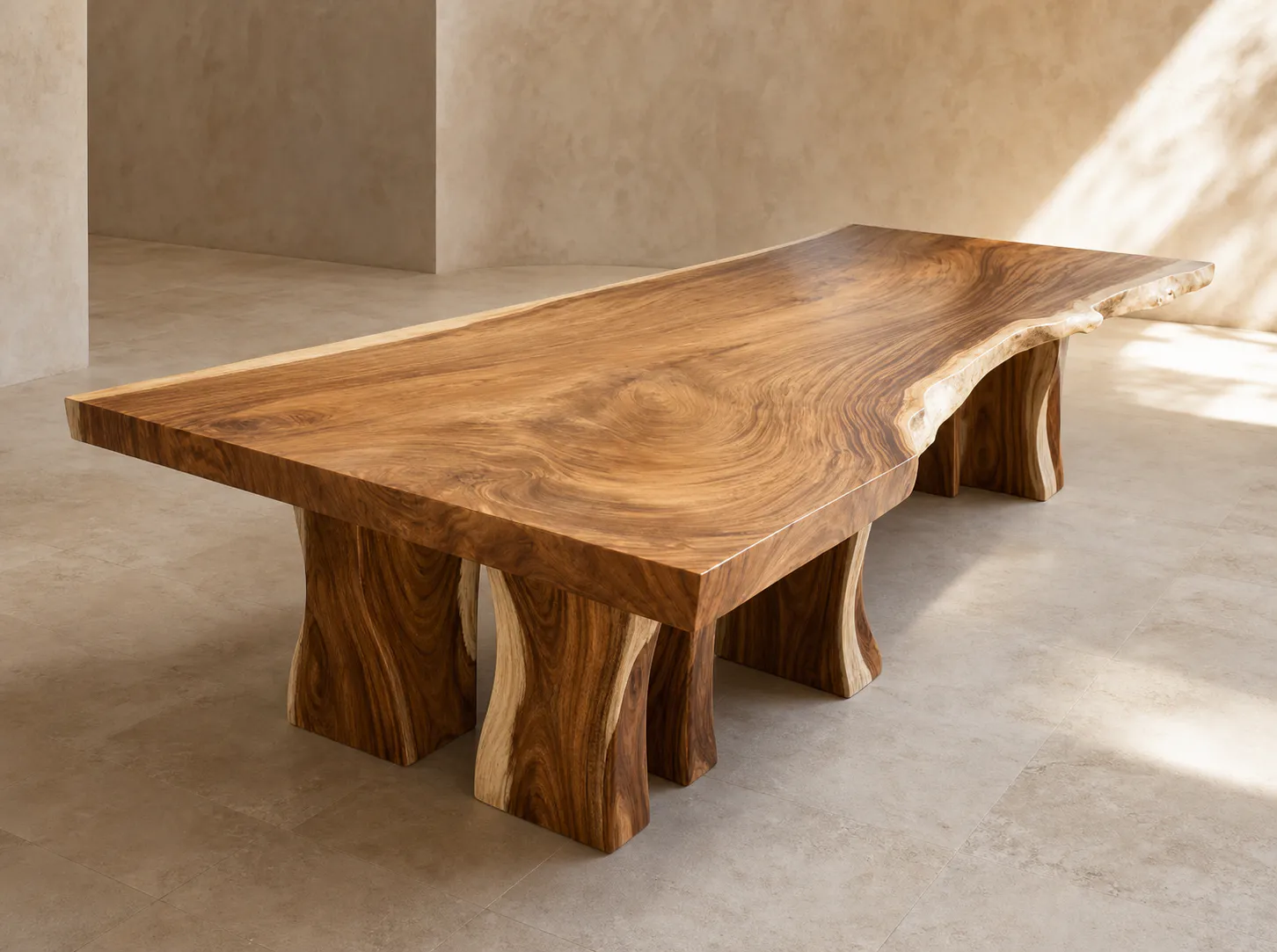
Yes, mango wood is generally strong enough for daily use because it is a dense hardwood commonly used for dining tables, cabinets, beds, benches, and shelving. In practical
Buyers often compare mango wood with teak, oak, acacia, or rubberwood when judging durability. Mango usually sits in a useful middle ground: harder and more substantial than many budget materials, yet not immune to scratching, standing water, or impact. Sources such as the Wood Database and the USDA Forest Products Laboratory help frame the difference between strength, hardness, and long-term serviceability.
Daily-use suitability depends on four factors: drying, construction, finish, and care. Species matters, but build quality usually decides how furniture performs in real homes.
Yes, mango wood is durable enough for everyday furniture in most homes. As a hardwood, it offers solid strength for dining tables, cabinets, bed frames, and shelves, especially when kiln-dried and sealed. Its real-world lifespan depends on construction quality, finish protection, humidity control, and whether use is normal or unusually rough.
Mango wood has become popular in India, Thailand, the United Kingdom, and the United States because it balances affordability, appearance, and practical durability. It is widely used for casegoods and tabletops that see repeated contact. Compared with particleboard or MDF, solid mango wood offers far better structural integrity and repairability. Compared with teak or white oak, it may be less naturally resistant to moisture or wear, but it still performs well under ordinary daily use.
Mango wood is moderately strong among furniture hardwoods. It is usually sturdy enough for daily indoor use, though it is not typically chosen for the highest-wear or highest-moisture environments over woods like teak, white oak, or acacia. It generally outperforms many softwoods and low-cost engineered board products in structural use.
Strength is not one single property. Buyers often mean hardness, load-bearing capacity, dent resistance, or stability. Mango wood is commonly described as a medium-density hardwood, making it suitable for furniture frames and surfaces that get regular use. In design decisions, cabinetmakers also compare grain behavior, moisture movement, and finishing response. The USDA Wood Handbook is a key reference for understanding why construction details matter as much as species choice.
{'type': 'table', 'caption': 'How mango wood compares in everyday indoor furniture decisions', 'headers': ['Material', 'Daily-use strength', 'Moisture resistance', 'Typical note'], 'rows': [['Mango wood', 'Good', 'Moderate', 'Strong enough for most indoor furniture'], ['Teak', 'Very good', 'High', 'Excellent for humid conditions and longevity'], ['White oak', 'Very good', 'Good', 'Common for durable tables and cabinetry'], ['MDF or particleboard', 'Low to moderate', 'Low', 'Lower durability and limited repairability']]}
Mango wood can scratch or dent with sharp impacts, dragging objects, or weak finishing, but that does not make it unsuitable for daily use. In normal households, a quality finish greatly improves surface performance. Expect some patina over time, especially on dining tables, desks, and frequently handled cabinet doors.
Surface wear is where many buyers confuse cosmetic aging with structural weakness. A mango wood top may pick up light marks from keys, ceramics, laptops, or children’s activities, yet remain completely sound. Hardwax oil, lacquer, or polyurethane can significantly change how the surface behaves. Dark finishes may hide minor dents better, while matte finishes may show water rings faster. Felt pads, placemats, and prompt cleanup usually matter more than species reputation alone.
{'type': 'quote', 'text': 'A hardwood can be strong enough for daily use and still show everyday character marks. Durability and scratch-proof performance are not the same thing.', 'attribution': 'Furniture materials guidance based on USDA and Wood Database principles'}
The longest-lasting mango wood furniture is usually kiln-dried, built with stable joinery, and protected by a durable finish. Moisture content, panel thickness, hardware quality, and tabletop support often influence lifespan more than the label alone. Good construction reduces warping, loosening, splitting, and uneven wear during daily household use.
Two mango wood tables can perform very differently depending on manufacturing standards. Kiln drying lowers excess moisture and helps reduce later movement. Joinery such as mortise-and-tenon, dowels, or strong mechanical fasteners improves stability compared with weak staple-based assembly. For larger tops, aprons and battens help distribute stress. In humid climates like Bangkok or Singapore, stable indoor conditions and a well-cured finish also help limit swelling, shrinkage, and seam stress over time.
{'type': 'image', 'src': 'https://mfurniturethailand.com/images/resources/mango-wood-joinery-daily-use.jpg', 'alt': 'Mango wood dining table joinery and finish details for daily indoor furniture use', 'caption': 'Construction quality often determines whether mango wood furniture stays tight and stable under daily use.'}
Mango wood is a good choice for most indoor residential furniture, especially storage pieces, coffee tables, consoles, beds, and dining furniture. It is a weaker choice for fully outdoor settings, persistently wet rooms, or harsh commercial spaces unless the design, finish, and maintenance plan are specifically engineered for those conditions.
For apartments, houses, hotels, and styled interiors, mango wood offers a practical mix of warmth and durability. It works particularly well when buyers want solid wood character at a more accessible cost than premium teak. It is less suitable for garden exposure, uncovered balconies, or bathrooms with repeated standing moisture. Designers working on hospitality projects often reserve more moisture-tolerant species for extreme conditions and use mango in protected indoor zones where it can age attractively.
Daily-use mango wood stays in better condition when spills are wiped quickly, heat and standing water are avoided, and the finish is maintained. Regular dusting, mats or coasters, and stable indoor humidity help prevent stains, movement, and premature wear. Good care extends both appearance and structural life.
Simple care routines make a measurable difference. Use a soft cloth for dusting, avoid aggressive chemical cleaners, and place trivets under hot cookware. Keep furniture away from direct HVAC blasts and prolonged sun where possible. Re-oil or refinish when the manufacturer recommends, especially for natural oil finishes. If scratches appear, solid mango wood is often easier to touch up than laminate or veneer, which is one reason many buyers still prefer real wood for everyday living.
For most households, finish failure appears before structural failure. Protecting the surface is usually the most important maintenance step.
Yes, mango wood is a good choice for a daily-use dining table if the top is properly dried, supported, and sealed. It can handle normal meals, laptops, and family use well, though coasters, placemats, and quick spill cleanup help reduce scratches, stains, and finish wear.
Yes, solid mango wood is generally more durable and structurally reliable than common engineered materials like MDF or particleboard. It usually holds fasteners better, can be refinished in many cases, and offers longer service life, although final performance still depends heavily on construction, thickness, and finish quality.
Mango wood can warp or crack if it is poorly dried, exposed to major humidity swings, or built without proper joinery allowance. That risk is not unique to mango. Well-made pieces with stable moisture content and routine indoor care usually perform reliably for everyday residential furniture use.
Yes, mango wood furniture can last for many years when it is solidly built and used indoors under normal conditions. Longevity improves with protective finishing, level placement, and periodic maintenance. Cosmetic marks may appear earlier than structural problems, but those marks do not necessarily shorten usable life.
This resource is for general educational purposes and does not replace product-specific guidance from the furniture maker, finish manufacturer, or care instructions supplied with a purchased item.