Importing teak furniture from Thailand to the United States requires a traceable supplier, accurate product and wood-species records, compliant packing, and a properly filed U.S. Customs entry. Before
The importer of record, rather than the supplier, freight forwarder, or customs broker, remains responsible for correct classification, declared value, admissibility, duties, and recordkeeping.
Before ordering, confirm the Thai exporter’s legal identity, exact furniture materials, teak species, wood-source evidence, country-of-origin marking, Incoterms, lead time, and export-packing plan. Obtain a pro forma invoice, SKU-level dimensions and values, and the intended document set early so a U.S. customs broker and freight forwarder can identify problems before loading.
Specify every SKU by material, construction, quantity, dimensions, value, and country of origin. Ask whether each piece is solid teak, veneer, reclaimed wood, or mixed material, because those facts can affect tariff classification and Lacey Act data. Agree on Incoterms such as FOB Laem Chabang or CIF Long Beach, while recognizing that Incoterms allocate commercial risk rather than U.S. legal responsibility. Prepare the commercial invoice, packing list, bill of lading, and clear **Made in Thailand** marking before loading. CBP importer guidance explains why consistent records matter.
Most commercial teak furniture entries require a commercial invoice, packing list, bill of lading or air waybill, customs-entry data, and support for declared value and origin. Depending on the current HTS provision and APHIS implementation schedule, a Lacey Act declaration may also be required with scientific name, harvest country, quantity, and unit measure.
A customs broker uses shipment facts to file entry through CBP’s Automated Commercial Environment. Determine the Harmonized Tariff Schedule number item by item, because tables, chairs, cabinets, and other furniture may fall under different provisions. Review the current U.S. Harmonized Tariff Schedule instead of relying on an earlier quote. For products subject to declaration requirements, USDA APHIS publishes Lacey Act declaration guidance. Keep purchase orders, supplier statements, invoices, and species records available if CBP requests evidence supporting the entry.
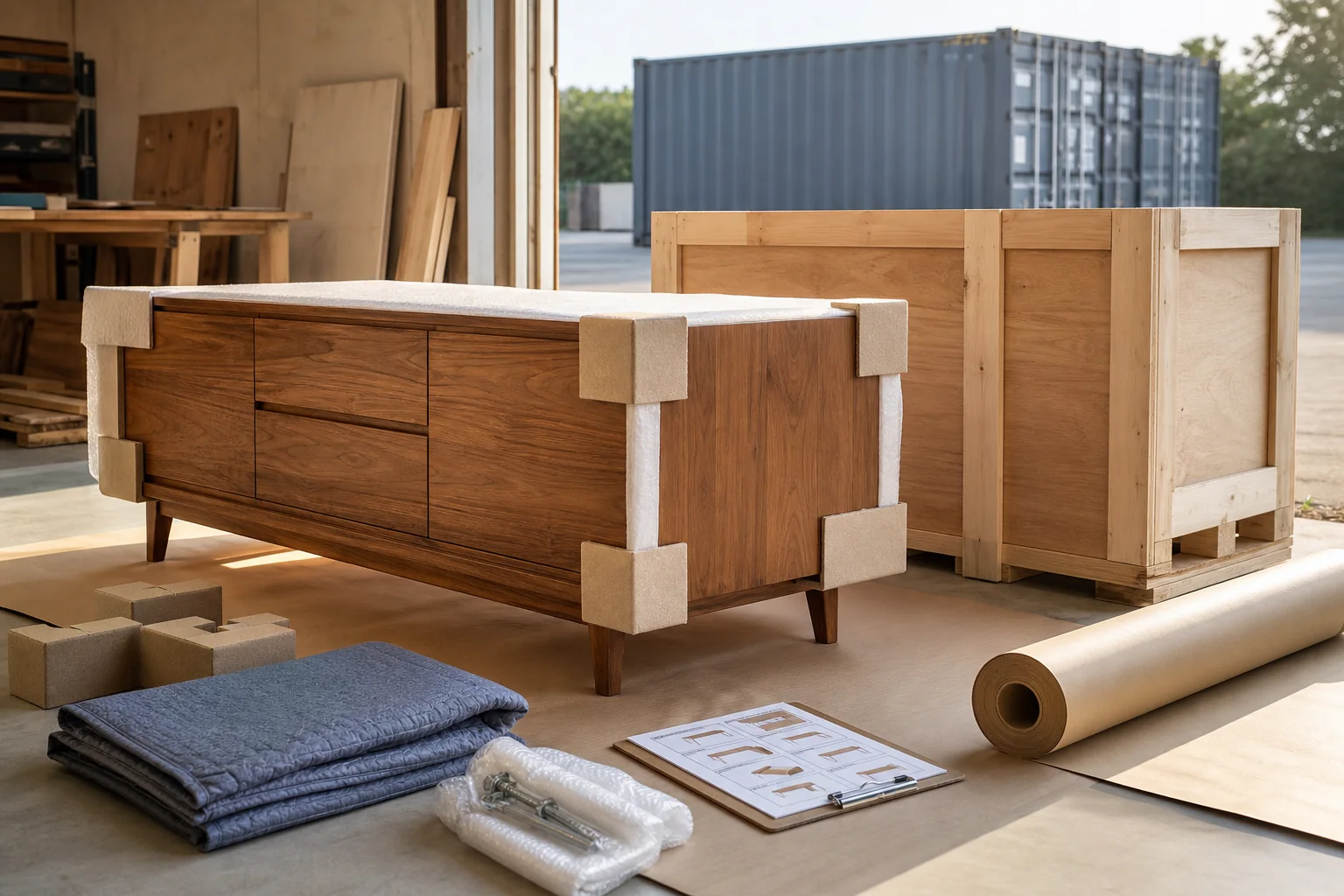
Teak furniture can move by ocean less-than-container load, full-container load, or air freight, depending on volume, urgency, and budget. Use moisture-conscious export packing, protect corners and finished surfaces, and ensure that any solid-wood pallets, crates, or dunnage meet ISPM 15 requirements before the shipment departs Thailand.
For larger orders, a 20-foot or 40-foot ocean container can reduce handling compared with consolidated cargo, while LCL may suit smaller consignments. Ask the forwarder to confirm port handling, cargo insurance, destination fees, and whether delivery is curbside, warehouse, or inside placement. Teak is durable, but humidity changes and abrasion can damage finishes during a multi-week voyage. Regulated wood packaging material must bear the required mark; consult APHIS guidance on wood packaging material. Photograph loading, record the container seal, and retain the packing sequence for claims management.
Clear teak furniture by appointing an importer of record, transmitting complete entry information to CBP, paying applicable duties, taxes, and fees, and responding promptly to examination requests. Landed cost should include product price, inland transport, export handling, ocean or air freight, insurance, customs charges, duties, and final delivery.
Obtain a written estimate from a licensed customs broker before shipment, then compare it with the freight forwarder’s destination charges. Customs value generally starts with transaction value, subject to applicable additions, so do not understate payment arrangements or supplied materials. CBP may select cargo for document review, X-ray screening, or physical examination; allow contingency time and budget for possible inspection costs. Origin marking must be conspicuous and legible to the ultimate U.S. purchaser. After release, reconcile invoices, entry summaries, freight bills, and delivery receipts, then retain records for the period required by CBP.
A customs broker is not legally mandatory for every importer, but it is usually prudent for a first commercial furniture shipment. The importer of record remains responsible for classification, valuation, origin marking, Lacey Act data, bonds, duties, and CBP responses even when a broker files the entry.
Whether a Lacey Act declaration is required depends on the product’s HTS classification and the current APHIS implementation schedule. When required, the declaration reports plant scientific name, harvest country, quantity, and unit of measure. Confirm the requirement with a customs broker using each product’s current tariff classification before shipping.
Yes, but solid-wood crates, pallets, and dunnage used in international trade generally must comply with ISPM 15. Ask the Thai packer to use properly marked, treated wood packaging or approved alternatives. Keep photographs and packing records, because noncompliant packaging can cause delays, re-export, treatment, or disposal.
The commercial agreement can allocate freight and delivery charges between buyer and seller, but the importer of record is generally responsible for customs compliance and payment obligations to CBP. Confirm Incoterms, tariff treatment, brokerage, destination fees, insurance, and final-mile delivery in writing before the supplier books cargo.
This resource provides general import-planning information and is not legal, customs, tax, or brokerage advice. Confirm current requirements, tariff treatment, and filing obligations with U.S. Customs and Border Protection, USDA APHIS, and a qualified customs broker before shipping.