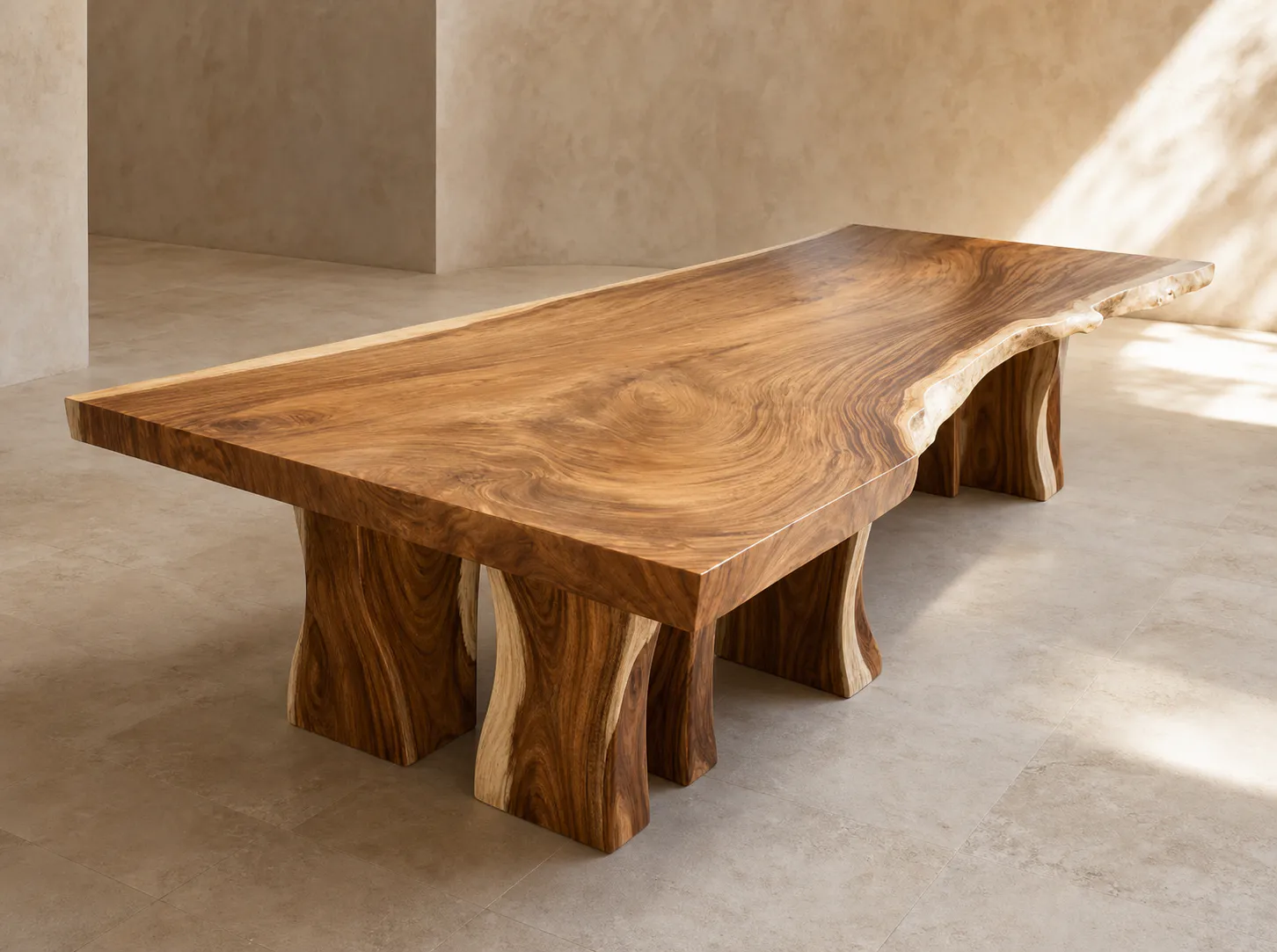
Damaged teak furniture can often be repaired rather than replaced because teak is a dense, durable hardwood that responds well to cleaning, sanding, joinery repair, patching, and refinishing
This matters because outdoor exposure, moisture cycling, UV light, and heavy commercial use create very different repair scenarios. A silver-gray patio chair with a loose mortise-and-tenon joint is usually a restoration project. A bench with deep rot in load-bearing rails may be a replacement case. Authoritative guidance from the USDA Forest Products Laboratory and practical finish-repair standards support evaluating severity before discarding solid wood furniture.
Rule of thumb: if at least 70-80% of the teak remains solid and the main frame geometry is intact, repair is usually worth assessing before replacement.
{'type': 'image', 'src': 'https://mfurniturethailand.com/images/resources/teak-repair-assessment-checklist.jpg', 'alt': 'Teak furniture damage assessment checklist for outdoor chair repair decisions', 'caption': 'A simple inspection can separate cosmetic teak damage from structural failure.'}
Most teak furniture damage is repairable when it is limited to the surface, hardware, finish, or isolated joints. Typical examples include weathered gray surfaces, minor checking, stains, loose fasteners, glue-joint failure, and small chipped edges. Repairs become less reliable when decay spreads through load-bearing components or multiple structural members have weakened.
Repairable teak problems usually fall into four groups: cosmetic wear, joinery issues, hardware issues, and localized material loss. Cosmetic wear includes sun-faded surfaces, water marks, mildew staining, and the silver patina common on outdoor teak. Joinery issues often involve loosened mortise-and-tenon connections, failed adhesive, or slight movement in arms, legs, or aprons. Hardware issues are commonly rusted screws, missing bolts, or worn glides that can be replaced without rebuilding the piece.
Replacement is usually more practical when teak furniture has widespread rot, severe insect damage, major warping, broken load-bearing members, or repeated failed repairs. If structural safety is uncertain, custom parts must be remade, or restoration costs approach replacement cost, buying a new piece is often the sounder long-term decision.
Replacement becomes more rational when damage affects the core structure rather than the surface. Examples include deep rot in legs or rails, long splits through high-stress members, seat frames that no longer hold load safely, or extensive distortion from moisture exposure. For commercial settings such as hospitality projects, labor time matters too. If a technician must fabricate several new components, strip the whole piece, and stabilize hidden decay, repair economics can quickly shift.
{'type': 'table', 'caption': 'Common repair-versus-replace decision points for teak furniture', 'headers': ['Condition', 'Usually repair?', 'Notes'], 'rows': [['Surface weathering', 'Yes', 'Clean, sand, and refinish'], ['Loose joint', 'Yes', 'Reglue or rebuild joinery'], ['Small localized rot', 'Sometimes', 'Must remove decay and assess surrounding wood'], ['Broken leg or rail', 'Sometimes', 'Depends on replacement part complexity'], ['Widespread structural rot', 'No', 'Replacement usually safer and more economical']]}
To tell cosmetic damage from structural damage, inspect the teak for softness, movement, cracking depth, joint integrity, and moisture-related distortion. Hard, stable wood with surface wear is usually repairable. Soft fibers, crumbling edges, major wobble, or deep splits in stressed members point toward structural failure and possible replacement.
Start with a visual and hands-on inspection. Look for color change, checking, missing finish, and open joints, then press suspicious areas with a small awl or screwdriver. Sound teak resists probing and feels firm. Decayed wood compresses, flakes, or crumbles. Next, apply gentle force to arms, backs, and legs to identify movement. A slight wobble may only indicate adhesive failure, while twisting or racking across the whole frame suggests deeper structural problems.
Moisture history also matters. Outdoor furniture left on wet surfaces or under fabric covers may trap water at end grain and joints. According to wood performance guidance from the USDA Forest Products Laboratory, repeated wet-dry cycles can accelerate checking and joint movement. Measure whether damage is isolated or repeated across the frame. One failed joint is usually repairable; failure in several locations at once can indicate generalized deterioration.
Effective teak repair methods depend on the damage type: cleaning and sanding for weathering, adhesive and clamp work for loose joints, dutchman or patch repairs for localized loss, and hardware replacement for corroded fittings. Successful repairs remove failed material first, restore strength second, and refinish last for appearance and protection.
Most teak restoration follows a sequence: clean, dry, disassemble if needed, repair the substrate, then refinish. Weathered pieces often improve with a teak-safe cleaner, light sanding, and optional protector if the owner wants to slow graying. Loose joints typically require removing old glue, re-fitting the joint, applying an exterior-rated adhesive where appropriate, and clamping to square. Missing plugs, pegs, or screws can then be replaced with compatible components.
For localized damage, a repair professional may cut back unsound wood and insert a matching teak patch, sometimes called a dutchman, or consolidate a small area if decay is very limited. Deeply eroded slats, arms, or rails may need full component replacement. Finish repair guidance from the USDA Forest Service and species data from The Wood Database are useful references when planning restoration scope.
{'type': 'image', 'src': 'https://mfurniturethailand.com/images/resources/teak-joint-repair-process.jpg', 'alt': 'Solid teak chair joint repair process showing clamp setup and reglued frame', 'caption': 'Joinery repair is often the deciding factor in whether teak furniture can be restored.'}
Teak can tolerate a surprising amount of surface wear and isolated joinery failure, but repair stops making sense when deterioration affects safety, function, or multiple major components. If more than one structural zone has softened, split, or detached, restoration becomes less predictable and often less economical than replacement.
Because teak contains natural oils and has strong dimensional stability compared with many species, owners sometimes underestimate how far restoration can go. A badly weathered tabletop can still be serviceable after resurfacing. Even a chair with one failed stretcher may be recoverable. The practical limit appears when deterioration compounds: for example, a bench has two soft legs, a split seat rail, and corroded hidden fasteners. At that point, labor, safety, and finish matching all become harder.
DIY repair is realistic for cleaning, light sanding, simple hardware replacement, and minor surface fixes. Professional repair is preferable for loose structural joinery, rot removal, component fabrication, color matching, or valuable custom pieces. The more the repair affects strength, alignment, or safety, the more expert restoration makes sense.
A homeowner can often handle routine teak maintenance with basic tools, mild cleaners, sandpaper, and replacement hardware. That is especially true for patio sets showing gray weathering, superficial stains, or a single missing screw. DIY becomes riskier when the repair involves hidden joints, clamping strategy, grain-matched patching, or the need to keep a chair or table perfectly square. Incorrect sanding can also create visible low spots or uneven color.
Professional restorers and experienced furniture makers are better equipped to remake slats, re-cut tenons, choose the right adhesive system, and blend repaired areas into the surrounding teak. For hospitality operators, procurement teams, and interior designers, professional assessment is often worthwhile because it reduces uncertainty, documents scope, and helps compare restoration cost against replacement schedules and freight implications.
Yes. Gray weathering on outdoor teak is usually a surface condition caused by UV exposure and rain, not structural failure. In most cases, the piece can be cleaned, lightly sanded, and refinished or left to re-weather naturally. Restoration is straightforward if the wood underneath remains firm and joints are stable.
No. Small checks and minor cracks are common in solid wood and do not automatically mean the furniture should be replaced. Repair depends on crack depth, location, and whether the piece still carries load safely. Deep splits through legs, rails, or other stressed parts deserve a professional structural assessment.
Sometimes, but only when the rot is localized and surrounding wood remains sound. A repairer may remove decayed material and patch or replace the affected section. If rot extends through multiple joints or load-bearing members, replacement is usually safer and more economical than attempting a major rebuild.
A loose teak joint can often be fixed if the adjoining wood is still hard, the joint geometry is intact, and the movement comes from adhesive or peg failure rather than wood decay. If the joint walls are crushed, split, or soft, repair becomes more complex and may require part replacement.
This resource is for general informational purposes and does not replace an in-person assessment by a qualified furniture repair professional, restorer, or maker. Repair suitability depends on joinery design, exposure conditions, prior repairs, and the severity of structural damage.