Cane seating can be comfortable for daily dining if the chair is built for upright table posture rather than lounge use. The biggest comfort factors are seat height
For everyday dining, prioritize ergonomics first: supportive back angle, even cane tension, and a stable wood frame matter more than visual style alone.
{'type': 'table', 'caption': 'Quick comfort checklist for daily-use cane dining chairs', 'headers': ['Factor', 'What to look for', 'Why it matters'], 'rows': [['Seat height', 'Around table-friendly dining height', 'Helps knees and elbows align comfortably during meals'], ['Cane tension', 'Firm and even weave', 'Reduces sagging and pressure points'], ['Back angle', 'Slight recline, still upright', 'Supports conversation and eating posture'], ['Frame material', 'Stable teak or hardwood', 'Prevents flex that can reduce support']]}
Cane seating feels comfortable for everyday meals when it distributes body weight evenly, stays firm under load, and supports an upright dining posture. A supportive wood frame, balanced seat height, and taut weave matter more than the cane material alone, especially during 20 to 60 minute meals at a standard dining table.
Comfort comes from the whole chair system, not just the woven panel. In a dining setting, cane performs best when paired with a frame that limits flex and keeps the sitter centered. Teak and other dense hardwoods help maintain stability, while an evenly woven seat reduces hot spots under the hips. For many homes in Bangkok, Singapore, or other humid regions, cane also stays cooler than thick foam during daily meals.
The posture requirement for dining is different from lounge seating. A chair that feels pleasant for five minutes in a showroom can feel tiring through a 45 minute dinner if the back is too reclined or the front rail presses the thighs. Buyers comparing cane, upholstered, and solid wood seats should evaluate table height fit, edge comfort, and how the seat feels after at least 15 minutes.
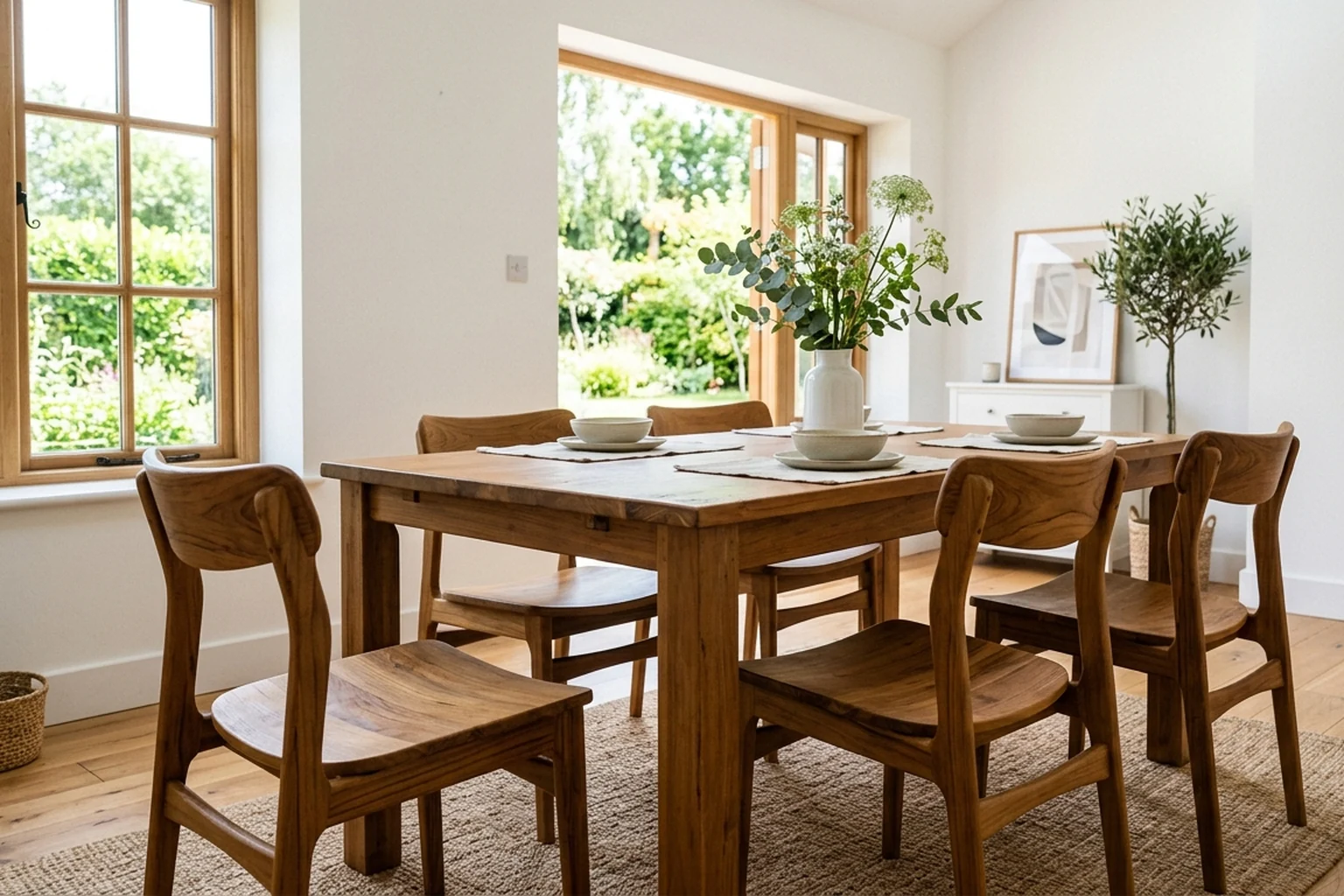
Yes, cane seating can be supportive for long-term daily use if the weave remains tight, the seat opening is well braced, and the frame is properly joined. Support usually declines because of sagging, weak framing, or poor ergonomics, not because cane is inherently unsuitable for regular dining in itself.
Natural cane has been used for generations in chairs because it combines flexibility with tensile strength. In daily dining, that slight give can improve comfort by softening pressure compared with a rigid wood seat. The key is control: the seat should flex subtly, not hammock. Well-made chairs often use reinforced rails and precise groove or spline installation so the woven panel stays stable over repeated sitting cycles.
Climate and care affect support over time. In very dry interiors, cane can become brittle; in variable humidity, tension can change slightly. Regular inspection, gentle cleaning, and avoiding direct sun or HVAC blasts help preserve performance. If a household uses the same dining chairs multiple times a day, checking for early sagging is sensible because small changes in tension are easier to correct than full panel failure.
Cane usually feels cooler and lighter than upholstered seating and more forgiving than solid wood seats, making it attractive for daily dining in warm climates. Upholstery may feel softer at first, while solid wood may feel firmer and simpler to maintain, so the best choice depends on climate, use time, and personal preference.
Compared with upholstery, cane is typically more breathable. That matters in homes where dining spaces are naturally ventilated or only lightly air-conditioned. Upholstered seats can feel plush in a short test, but dense foam and fabric trap more heat over time. Cane, by contrast, allows airflow through the weave, which many users find more comfortable in tropical interiors and during longer shared meals.
Compared with flat solid wood, cane often provides better micro-flex under body weight. A hard wood seat may be durable and easy to wipe clean, but it can feel unforgiving without a shaped saddle or cushion. Cane sits between the two options: lighter in appearance than upholstery and gentler in feel than rigid timber. For practical comparisons, review care guidance from sources like Google and structured product definitions at Schema.org.
Before buying cane dining chairs, check dining height compatibility, seat depth, back angle, front-edge comfort, weave tension, and frame joinery. Daily comfort depends on these measurable details more than the woven look itself. A well-proportioned chair will feel stable, breathable, and supportive across repeated meals and regular household use.
Start with dimensions. A chair that is too low forces raised shoulders at the table, while a seat that is too deep reduces lower-back contact. Front rails should not create pressure behind the knees, and the backrest should support an upright torso rather than a lounging posture. In hospitality projects, designers often test chair-table fit first because even attractive seating fails if proportions are off.
Then inspect craftsmanship. The cane pattern should be consistent, tension should feel even across the seat, and the frame should not rack when lightly moved. Joinery quality matters because movement in the frame changes how the cane carries weight. If possible, sit, shift, and remain seated for 10 to 15 minutes. That simple test reveals whether comfort is lasting or merely a first impression.
{'type': 'image', 'src': 'https://mfurniturethailand.com/resources/images/cane-dining-chair-ergonomics-check.jpg', 'alt': 'M Furniture cane dining chair ergonomics check showing seat angle, back support, and woven cane tension for daily dining use', 'caption': 'A quick seated test can reveal whether a cane chair is tuned for upright dining rather than occasional accent use.'}
Yes, many cane dining chairs are comfortable without cushions because the woven surface provides light flex and better airflow than a hard wood seat. Comfort depends on tension, seat shape, and posture support. If the chair feels too firm, a thin pad usually works better than a thick cushion.
Cane seating can sag over time, but good construction and proper care slow that process significantly. Daily use alone is not the main problem. Uneven weaving, weak frame support, excessive dryness, direct sunlight, or prolonged moisture exposure are more common reasons a cane seat loses firmness.
Often yes, cane seating performs well in hot climates because air moves through the weave and the surface holds less heat than many upholstered seats. In tropical homes or semi-open dining areas, that breathability can improve comfort noticeably during longer meals and reduce the sticky feel common with dense fabrics.
A well-designed cane dining chair should remain comfortable through typical meals lasting 20 to 60 minutes, and often longer. Actual comfort depends on seat height, back angle, and cane tension. Chairs designed more as accent pieces may feel fine briefly but become tiring during extended dining conversations.
This resource is editorial and informational. Comfort varies by body type, table height, room climate, build quality, and chair dimensions, so buyers should test seating in person whenever possible.