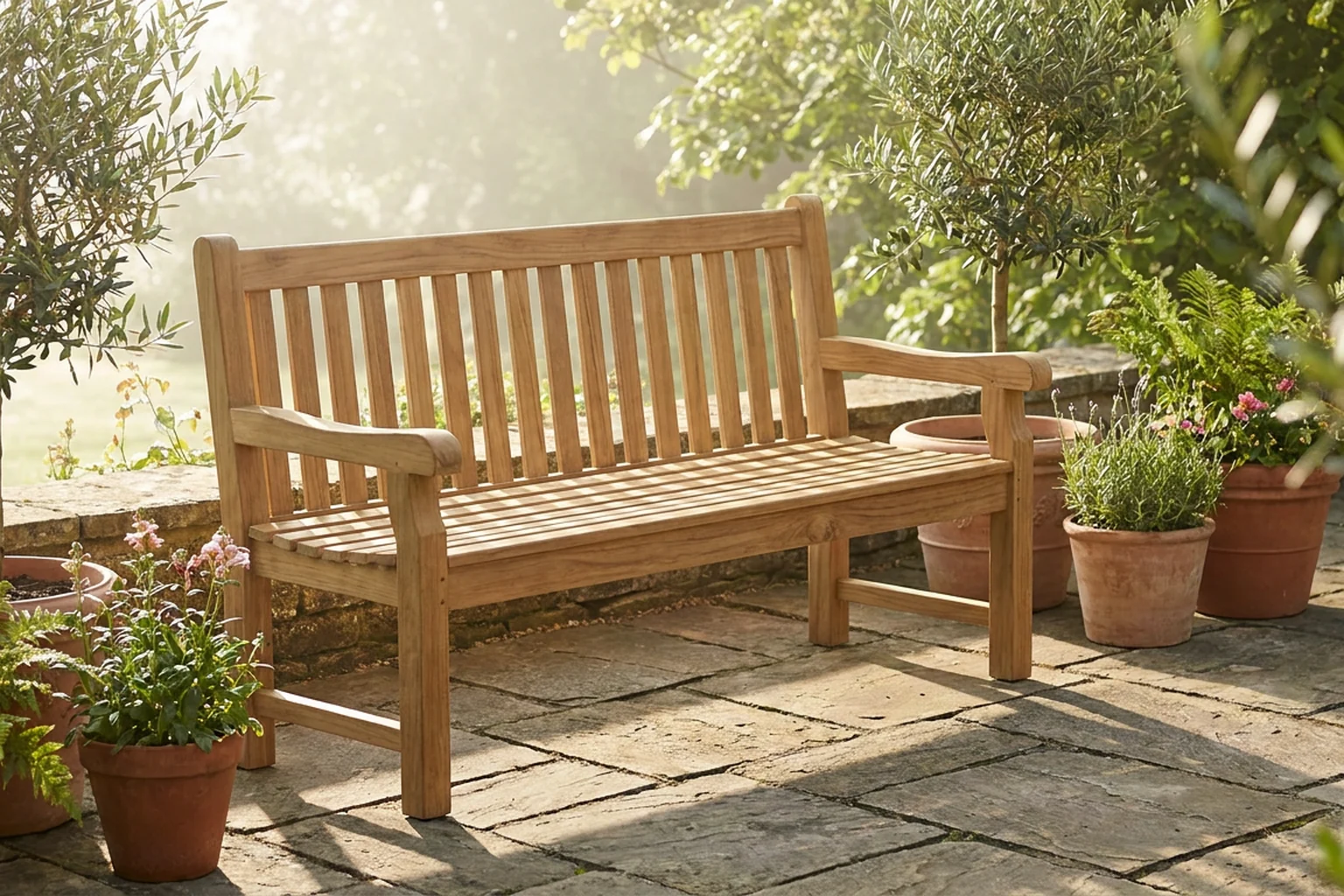
Acacia wood is durable enough for outdoor furniture in many homes, hotels, and covered patios, provided it is well finished and maintained. Its hardness, density, and natural oil
Short answer: acacia works outdoors, but it usually needs more consistent care than teak to keep its color, stability, and surface condition.
{'type': 'table', 'caption': 'Quick view: how acacia performs outdoors', 'headers': ['Factor', 'Acacia performance', 'Why it matters'], 'rows': [['Density', 'Generally high', 'Dense hardwoods resist wear and dents better'], ['Water exposure', 'Moderate tolerance', 'Standing moisture raises movement and checking risk'], ['Sun exposure', 'Finish-dependent', 'UV degrades surface color and coatings over time'], ['Maintenance need', 'Moderate to high', 'Oil or sealer upkeep strongly affects lifespan']]}
Yes, acacia is naturally durable enough for many outdoor applications because it is a dense hardwood with some natural resistance to wear and moisture. Still, natural durability is not the same as weatherproofing. Outdoors, acacia performs best when sealed, protected from pooling water, and maintained more regularly than teak.
Acacia is commonly chosen for patio dining sets, benches, and occasional tables because its hardness gives it good day-to-day durability. Data compiled by sources such as the USDA Forest Products Laboratory and The Wood Database consistently show that dense hardwoods generally resist abrasion and impact better than lighter woods. That makes acacia a practical material for outdoor furniture frames and tabletops where surface wear matters.
The limitation is moisture cycling. Repeated wet-dry movement can cause checking, raised grain, or finish breakdown if furniture is left uncovered through monsoon rain or freezing conditions. Compared with teak, acacia usually has less margin for neglect. If buyers treat it like a maintained hardwood rather than a maintenance-free material, acacia often delivers solid outdoor service life.

Acacia outdoor furniture can last several years and sometimes longer if it is sealed, cleaned, and kept out of standing water. In covered spaces, lifespan is usually better. In fully exposed settings with intense sun or frequent rain, finish failure and wood movement can shorten service life unless maintenance is done on schedule.
There is no single lifespan number because climate and construction matter as much as species. A sheltered balcony in Bangkok, Singapore, or Dubai creates a different stress profile than an uncovered garden in Florida or a freeze-thaw patio in Canada. Joinery, hardware quality, end-grain sealing, and whether the feet sit on wet decking all influence durability as much as the acacia itself.
As a practical rule, buyers should expect better longevity when acacia pieces are used under roof cover, dried after storms, and refinished before the topcoat fails. Once water penetrates through worn finish, swelling and cracking risks increase. That is why maintenance intervals often predict lifespan more accurately than broad marketing claims about any wood species.
The main outdoor weaknesses of acacia are finish breakdown, moisture movement, and color fading under strong UV exposure. It can also crack or warp if water sits on the surface or enters unsealed end grain. These issues are manageable, but they make acacia less forgiving than premium outdoor hardwoods like teak.
Sunlight is one major stressor. UV can bleach or darken the surface depending on the stain and finish system, and once coatings degrade, the wood underneath becomes more vulnerable. Rain is the second major factor. Acacia does not perform well when it stays wet for long periods, especially if cushions trap moisture or table tops are covered with non-breathable plastic.
Construction details also matter. Furniture with thin slats, weak hardware, or poor drainage can fail sooner even if the wood species is sound. Buyers should inspect whether stainless steel fasteners are used, whether water can drain from horizontal surfaces, and whether the underside is finished. Those details often separate durable outdoor products from short-lived budget sets.
Acacia is usually more affordable than teak and can be durable outdoors, but teak generally offers stronger natural weather resistance and lower maintenance. Teak contains more protective oils and silica, so it tolerates rain, sun, and neglect better. Acacia is the value option; teak is typically the longer-lasting outdoor benchmark.
Teak has long been the reference point for premium outdoor wood because it combines dimensional stability, natural oils, and proven performance in marine and exterior settings. Sources like The Wood Database and long-standing trade practice support teak's stronger reputation for outdoor use. Acacia can still be a smart buy, especially when budgets are tighter and furniture will live in covered or semi-covered spaces.
{'type': 'table', 'caption': 'Acacia vs teak outdoors', 'headers': ['Criteria', 'Acacia', 'Teak'], 'rows': [['Typical outdoor durability', 'Good with maintenance', 'Very good with less maintenance'], ['Natural weather resistance', 'Moderate to good', 'High'], ['Price position', 'Usually lower', 'Usually higher'], ['Tolerance for neglect', 'Lower', 'Higher']]}
Acacia outdoor furniture needs regular cleaning, prompt drying after heavy rain, and periodic oiling or resealing to preserve durability. The exact interval depends on climate and finish, but neglect is the fastest way to shorten lifespan. Good maintenance keeps moisture out, reduces cracking, and slows UV-related fading or surface roughness.
A simple care routine is usually enough: wipe dirt and pollen away, wash gently with mild soap, and let the piece dry fully before applying any maintenance oil or exterior wood sealer. Avoid pressure washing, harsh bleach mixes, or leaving wet cushions on the surface. These habits damage coatings and increase the chance that water penetrates joints and end grain.
Acacia is a smart outdoor furniture choice when buyers want real hardwood at a lower cost than teak and can commit to routine upkeep. It fits covered terraces, balconies, cafés, and seasonal patio use especially well. For fully exposed, low-maintenance settings, teak, aluminum, or synthetic materials may be safer picks.
Acacia makes sense when appearance, warmth, and budget all matter. It gives a solid wood look that many buyers prefer over plastic-based options, and it often works well in hospitality projects or residential patios where staff or homeowners can perform regular care. In that role, acacia offers a balanced value proposition without pretending to be maintenance-free.
It is a weaker fit for beach exposure, snowy climates, or installations where furniture will remain uncovered year-round with little attention. If the real requirement is minimal maintenance, then material selection should shift accordingly. Matching species to climate, use frequency, and care capacity is more reliable than asking whether one wood is universally good or bad outdoors.
Acacia can stay outside year-round in some climates, but it performs best with cover, drainage, and regular sealing. Constant rain, strong sun, or freeze-thaw exposure increase the risk of cracking and finish failure. Year-round use is possible, yet it should not be treated as a no-maintenance outdoor wood.
No, acacia wood is not waterproof. It has moderate natural resistance to moisture, but prolonged wetness can still cause swelling, warping, checking, or finish breakdown. A quality exterior sealer improves protection, yet buyers should still avoid standing water and dry the furniture after heavy rain whenever possible.
Usually not. Teak generally lasts longer outdoors because it has stronger natural oils, excellent weather resistance, and better tolerance for neglect. Acacia can still provide good service life, especially in covered settings, but it typically needs more consistent care to approach the outdoor performance teak is known for.
Most acacia outdoor furniture should be inspected every few months and refinished when the surface looks dry, faded, or no longer repels water. In harsh sun or rain, maintenance may be needed more often. The right interval depends on climate, exposure, and whether the original factory finish remains intact.
This resource is for educational purposes and summarizes material performance based on published wood references, general outdoor furniture practice, and editorial experience. Actual durability varies by species variation, finish system, construction quality, use conditions, and maintenance.