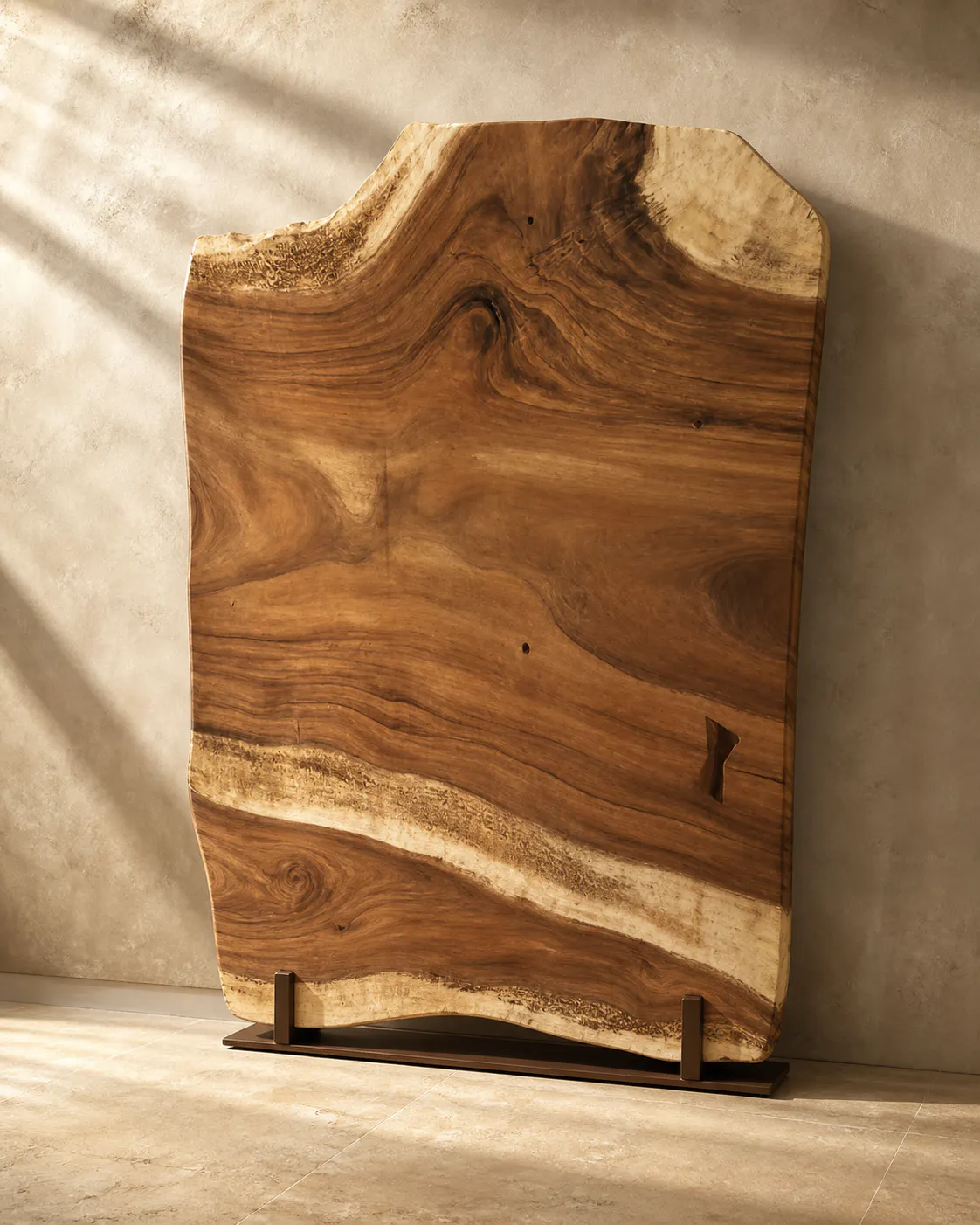
Acacia cutting boards are generally food safe when the board is intended for food preparation, finished with a food-safe treatment, and maintained so the surface stays smooth, clean
Guidance from the **USDA Food Safety and Inspection Service** and **U.S. Food and Drug Administration** focuses on surfaces that can be cleaned effectively and replaced when damage becomes too deep. Evidence reviewed in **PubMed** also shows wood is not automatically less hygienic than plastic. For acacia boards, the deciding factors are disclosure, maintenance, moisture control, and replacing the board before cracks, mold, or delamination make sanitation unreliable.
Yes, acacia wood itself is generally suitable for cutting boards because it is a dense hardwood that can be cleaned, dried, and maintained for kitchen use. In real-world use, safety depends on the whole product, including the finish, adhesive system, surface wear, and whether moisture is allowed to remain after washing.
Acacia is widely used in kitchenware because it is hard enough to handle repeated cutting while still being workable for manufacturers. Density and durability help, but wood species alone does not guarantee safe food contact. A solid acacia board or a well-made laminated board from a transparent manufacturer is usually a safer choice than an inexpensive decorative board with unclear coatings, unknown glue chemistry, or no food-contact labeling at all.
The **USDA** and **FDA** emphasize cleanliness, condition, and cross-contamination control more than species-specific rules. That means an acacia board can be safe if its surface remains smooth, washable, and structurally stable. It becomes a poorer option when swelling, splitting, or trapped moisture make cleaning less reliable. USDA guidance and FDA kitchen advice support that practical standard.

An acacia cutting board becomes unsafe when hidden materials or visible damage stop it from being cleaned thoroughly. Common risk factors include unknown varnishes, decorative sealers, poor lamination adhesives, dishwasher warping, prolonged wet storage, and deep grooves or cracks that trap food residue, moisture, and bacteria after routine washing.
The biggest problems usually come from added materials, not from acacia fibers themselves. Some boards sold for serving or décor use varnish, stain, epoxy accents, or sealers that are not clearly intended for knife work or food prep. If the seller does not distinguish between a charcuterie display board and a cutting board, treat that as a caution sign and ask for food-contact finish details before buying or using it.
Damage is the second major safety trigger. Dishwashers, soaking, and storing a board flat while wet can cause cupping, glue-line stress, and surface checks. Once the board develops deep cuts, open seams, dark moisture staining, or persistent odors, washing may not remove residue effectively. Review data in **PubMed** notes that surface condition matters for bacterial survival, which is why replacement becomes safer than repair after heavy deterioration. PubMed review.
Food-safe mineral oil and board waxes, often made with beeswax, are common safe treatments for acacia cutting boards. The crucial factor is explicit disclosure that the finish is suitable for food-contact surfaces. Unknown sealers, decorative lacquers, and vague labels like natural or coated should not be assumed safe for chopping.
For most households, the lowest-risk choice is an acacia board maintained with food-grade mineral oil or a conditioning wax marketed specifically for cutting boards. These treatments help reduce drying and surface checking without creating a brittle topcoat that can flake under knife use. Some curing oils may also be acceptable, but the manufacturer should say clearly that the cured finish is intended for direct food contact rather than general furniture use.
Buyers should avoid guessing based on smell, sheen, or color. Terms such as *sealed*, *hand-finished*, or *natural* are marketing language unless the seller identifies the actual treatment. If the product includes resin rivers, heavy stains, or glossy film finishes, verify intended use before prep work. The **FDA** focuses on cleanable food-contact surfaces, which makes finish disclosure essential when selecting wood products for kitchens. FDA guidance and The Wood Database on acacia.
Clean an acacia cutting board with mild soap, warm or hot water, and immediate drying after each use. Do not soak it or put it in a dishwasher. For raw meat, poultry, or seafood, use a separate board when possible, sanitize as needed, and re-oil the board when the surface begins to look dry.
Routine care is what keeps an acacia board safe over time. Wash it soon after use with soap and water, rinse briefly, and dry it with a towel before standing it upright or placing it where airflow can finish drying both faces. Soaking is risky because wood absorbs water, and repeated wet-dry stress can cause cracks or warped glue lines that later become sanitation problems under everyday kitchen use.
For higher-risk foods such as raw chicken, many kitchens keep a separate plastic or dedicated meat board to simplify cross-contact control. That approach aligns with **USDA Food Safety and Inspection Service** recommendations. If one acacia board handles multiple tasks, clean it thoroughly before cutting fruit, bread, or other ready-to-eat foods. Reconditioning with mineral oil every few weeks, or whenever the surface looks chalky, helps limit drying and splitting. USDA cutting board advice.
Replace an acacia cutting board when normal cleaning no longer restores a smooth, intact, odor-free surface. Clear end-of-life signs include deep knife grooves, open cracks, delamination, visible mold, dark moisture staining, or persistent smells after washing. A structurally sound board with only light wear can remain food safe for years.
Normal knife marks do not automatically mean a wood board is unsafe, especially on thicker solid boards that can be resurfaced lightly. The concern starts when cuts become deep enough to catch a fingernail, joints begin to separate, or stains and odors return after proper washing. Those conditions suggest residue or moisture may be staying below the surface, which reduces confidence that routine kitchen cleaning is still reaching every area effectively.
Replacement is usually the prudent choice when structure is compromised. Thin boards, heavily coated boards, and low-cost laminated products are often poor candidates for sanding because resurfacing may expose uneven glue lines or remove the intended finish system. From a buyer perspective, thicker construction, clear finish disclosure, and stable manufacturing usually extend usable life. **FDA** and **USDA** guidance both support replacing boards once wear prevents effective cleaning. FDA kitchen page.
No, acacia wood itself is generally not considered toxic for ordinary kitchen prep. The bigger issue is whether the finished board uses food-safe treatments and suitable adhesives. Buyers should evaluate the complete product, because coatings, glue lines, cracks, and trapped moisture determine whether the board stays safe in regular use.
Yes, you can cut raw meat on an acacia cutting board, but many households prefer a separate board for raw poultry, meat, or seafood to reduce cross-contact. If you use acacia for raw meat, wash it promptly with soap and water, sanitize as needed, and dry it thoroughly before storing.
Laminated acacia cutting boards can be food safe if the manufacturer uses suitable adhesives and the glue joints stay intact during use. The concern is poor disclosure or failing seams. If lamination lines open, trap moisture, or begin separating after washing, the board should be replaced rather than trusted for prep.
Mineral oil is not legally required, but it is widely recommended because it helps reduce drying, roughness, and surface checking. A dry board is more likely to crack over time, and cracks make sanitation harder. Regular conditioning helps acacia stay smoother, more stable, and easier to clean between uses.
This resource is for general educational purposes and does not replace manufacturer instructions, FDA guidance, USDA food-safety advice, or commercial food-service compliance review.